









What is neuropathic pain?
Neuropathic pain is a complex and chronic pain condition that arises from damage or dysfunction within the nervous system. Unlike pain that results from an injury, neuropathic pain stems from nervous or somatic lesions, which can be due to various factors such as diabetes, spinal cord injury, or infections like shingles. This type of pain is often characterized by unusual sensations, such as painful colds or a burning feeling, and can be persistent and debilitating.
Neuropathic pain components include both spontaneous and evoked pain, with symptoms sometimes occurring without any apparent trigger. The neuropathic pain component is essential to understand because it requires different management strategies compared to other types of chronic pain. The clinical examination for neuropathic pain typically involves assessing these unique symptoms and identifying the underlying neuropathic characteristics.
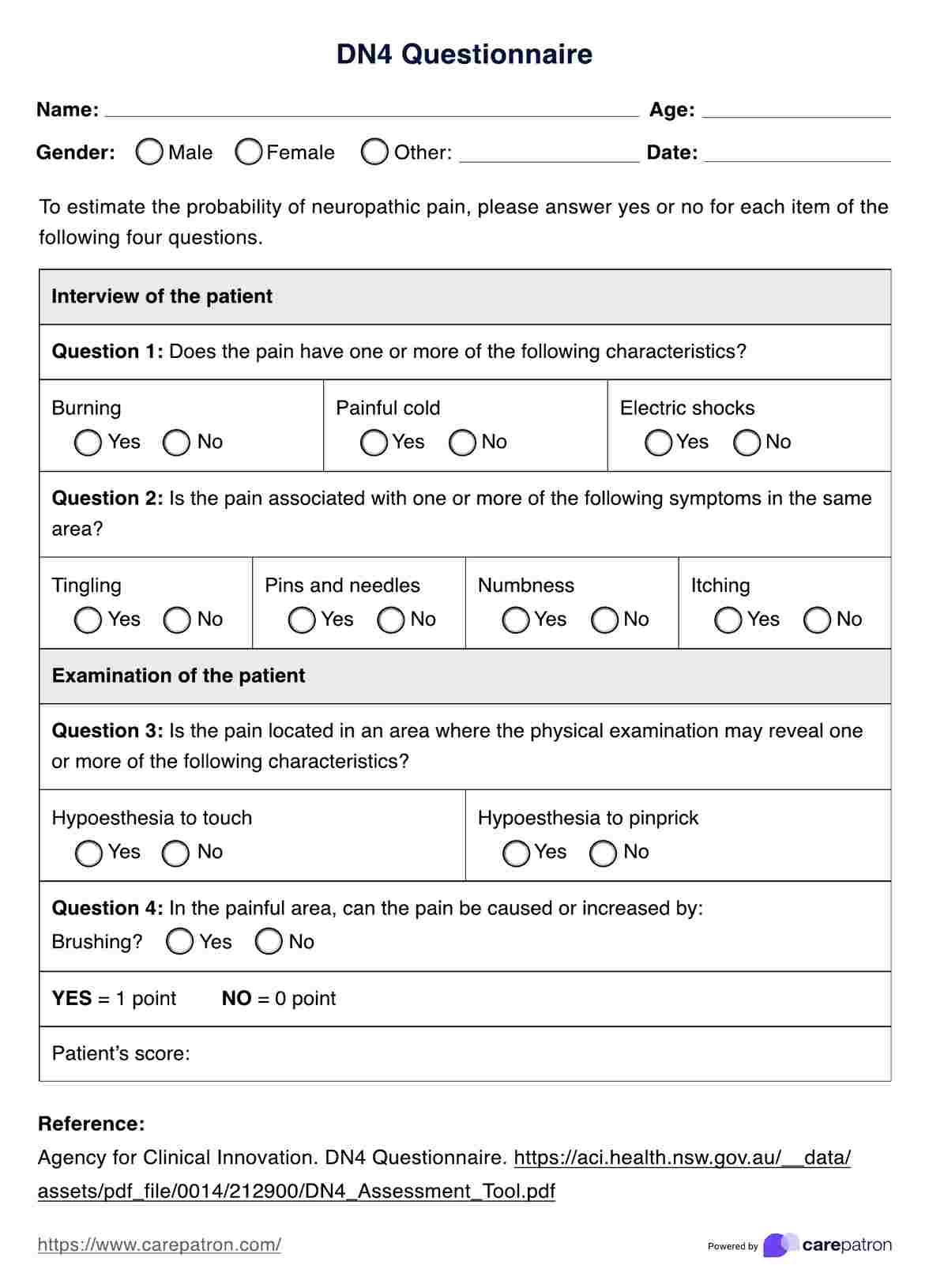
To aid in the differential diagnosis of neuropathic pain syndromes, healthcare practitioners use tools like the neuropathic pain diagnostic questionnaire, specifically the version of the Douleur Neuropathique en 4 Questions (DN4) Questionnaire. Pain medicine tailored to neuropathic pain components often includes medications that target nerve pain specifically, effectively addressing both central neuropathic pain and peripheral neuropathic pain.
Understanding neuropathic pain and its distinct characteristics is crucial for effective diagnosis and treatment, ensuring that individuals receive the appropriate care for their specific pain condition.
Characteristics of neuropathic pain
Neuropathic pain presents with distinct characteristics that set it apart from other types of pain. These symptoms can vary widely but share common features that help in identifying neuropathic pain.
- Burning sensation: A persistent burning feeling that can be intense and debilitating.
- Painful cold: Sensations of painful colds are often described as a freezing or icy feeling.
- Electric shock-like pain: Sudden, sharp, and jolting pains similar to an electric shock.
- Tingling or "pins and needles": A constant or intermittent tingling sensation, also known as paresthesia.
- Allodynia: Pain caused by stimuli that don’t normally provoke pain, such as a light touch.
- Hyperalgesia: An increased sensitivity to pain, making even mild pain feel severe.
- Numbness: Areas of reduced sensation, which can be coupled with pain in other areas.
- Spontaneous pain: Pain that occurs without any obvious trigger or cause.
- Altered sensation: Changes in the way sensations are felt, such as feeling pain instead of touch.
Understanding these characteristics is essential for accurately diagnosing and managing neuropathic pain, ensuring effective treatment strategies for those affected.
Causes of neuropathic pain
Neuropathic pain stems from various conditions or injuries affecting the nervous system. One common cause is nerve damage resulting from diseases like diabetes, autoimmune disorders, or infections such as herpes zoster (shingles). Trauma to the spinal cord or diseases affecting it can also lead to neuropathic pain.
Additionally, strokes causing brain damage, particularly in areas involved in pain processing, can result in neuropathic pain. Conditions like multiple sclerosis (MS) where the immune system targets nerve coverings contribute to neuropathic pain.
Tumors pressing on nerves or treatments like chemotherapy in cancer patients can also induce neuropathic pain. Even surgical procedures can sometimes lead to nerve damage and subsequent neuropathic pain.
Understanding these varied causes is essential for diagnosing and treating neuropathic pain effectively.









