









What is cervical nerve root compression?
Cervical nerve root compression, often called cervical radiculopathy, is a condition characterized by the compression or irritation of nerve roots in the cervical spine, particularly in the middle third of the neck. This compression can result from various factors such as cervical spine disease, including herniated discs or bone spurs, leading to symptoms that commonly manifest as neck pain, shoulder pain, and upper arm discomfort.
Understanding cervical nerve root compression is crucial, especially in patients presenting with shoulder pathology or upper arm compared to shoulder pain. Often, the symptoms of cervical radiculopathy can mimic those of other shoulder diseases, such as a rotator cuff tear, making it a somewhat doubtful diagnosis without proper clinical tests.
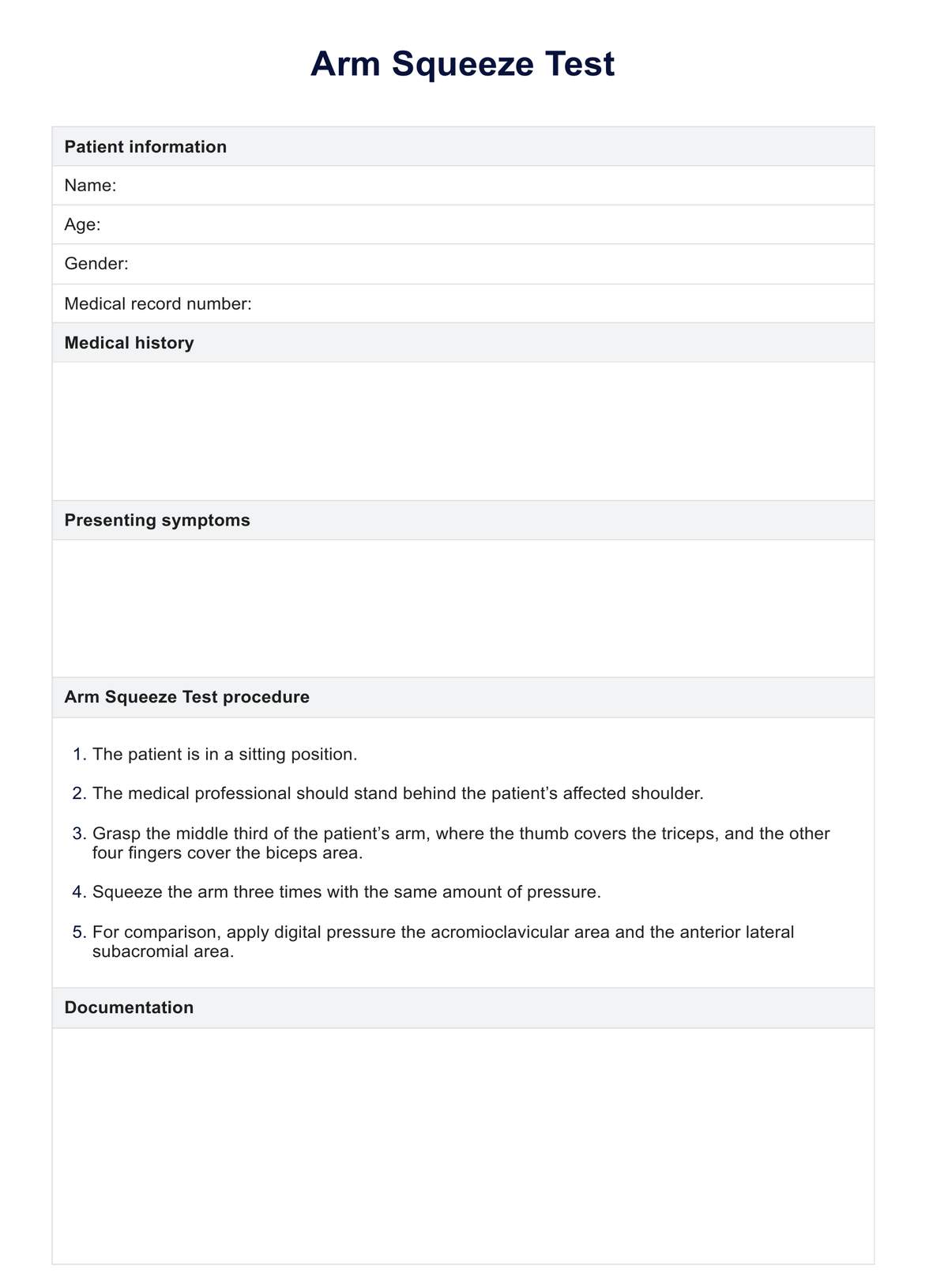
The Arm Squeeze Test is a valuable clinical tool in assessing patients with cervical nerve root compression. It involves applying pressure to the patient's upper arm while monitoring for any exacerbation of symptoms associated with median nerve compression. This test helps healthcare practitioners differentiate between shoulder pathology and cervical spine-related issues, aiding in accurate diagnosis and appropriate treatment planning for patients with suspected cervical nerve root compression.
Symptoms of cervical nerve root compression
Cervical nerve root compression can manifest through various symptoms, indicating potential nerve impingement or irritation in the cervical spine. Recognizing these symptoms is crucial for prompt diagnosis and management. Common manifestations include:
- Neck pain, often radiating to the shoulder or upper arm
- Tingling or numbness in the fingers, hand, or forearm
- Weakness in the muscles of the arm or hand
- Difficulty with fine motor skills, such as gripping objects or buttoning clothing
- Pain exacerbated by certain movements or positions, such as neck extension or turning the head to the affected side
- Sensory changes, such as hypersensitivity or altered sensation along the affected nerve distribution
- Muscle spasms or stiffness in the neck or upper back
These symptoms may vary in intensity and presentation depending on the severity and location of the nerve compression. It's essential for individuals experiencing these symptoms, especially in conjunction with shoulder pain or upper arm discomfort, to seek medical evaluation for proper diagnosis and treatment.
Causes
Cervical nerve root compression can arise from various underlying factors, leading to nerve impingement or irritation in the cervical spine. Understanding the potential causes is essential for identifying risk factors and guiding appropriate management strategies. Some common causes include:
- Herniated discs: Discs in the cervical spine may bulge or herniate, exerting pressure on nearby nerve roots.
- Degenerative changes: Age-related wear and tear on the cervical spine, such as osteoarthritis or spinal stenosis, can narrow the spinal canal and compress nerve roots.
- Bone spurs: Abnormal bony growths, known as osteophytes or bone spurs, can develop in response to degenerative changes, contributing to nerve compression.
- Traumatic injury: Accidents or trauma to the neck region can cause fractures, dislocations, or soft tissue injuries that impinge on cervical nerve roots.
- Tumors: Rarely, tumors or abnormal growths within or near the cervical spine can compress nerve roots, leading to symptoms of cervical radiculopathy.
- Inflammatory conditions: Conditions such as rheumatoid arthritis or ankylosing spondylitis can cause inflammation and structural changes in the cervical spine, potentially resulting in nerve compression.









