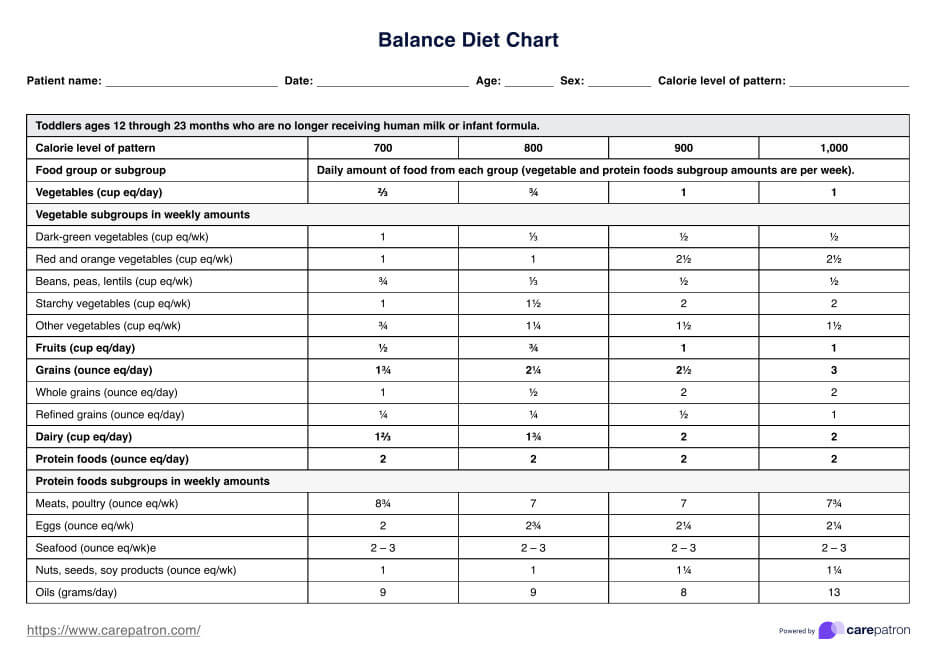
Core elements of a balanced diet
A well-balanced diet plays a crucial role in maintaining overall health and achieving specific goals such as weight loss or healthy weight gain. It is essential to incorporate various food groups that provide the necessary nutrients to one's eating habits for optimal functioning to lose weight or maintain a healthy lifestyle:
Vegetables and fruits
These are healthy foods are excellent sources of essential vitamins, minerals, and fiber, which are crucial for maintaining overall health and well-being. Leafy greens, such as spinach and kale, are packed with nutrients like vitamin K and iron, while berries, including blueberries and strawberries, provide antioxidants that help combat oxidative stress. Citrus fruits, like oranges and grapefruits, are not only rich in vitamin C but also add a refreshing burst of flavor to a diet.
Whole grains
Whole grains provide a good source of complex carbohydrates, fiber, B vitamins, and minerals such as iron and magnesium. Some examples include oats, quinoa, brown rice, and whole-wheat bread.
Healthy fats
Incorporating healthy fats into a balanced and healthy diet is essential for maintaining overall health, particularly when it comes to managing weight and reducing the risk of cardiovascular diseases . Healthy fats, such as those found in avocados, nuts, seeds, and olive oil, provide essential fatty acids that support cellular function and nutrient absorption. Unlike processed foods and saturated fats, which can lead to health complications when consumed in excess, healthy fat intake contributes positively to a balanced nutrition plan.
Dairy or dairy alternatives
Dairy products, such as milk, yogurt, and cheese, are excellent sources of calcium, vitamin D, and protein. For those who do not consume dairy due to dietary restrictions or personal preferences, there are plenty of plant-based options available that provide similar nutrients. Some examples include almond milk, soy milk, and tofu.