What should you look for in a free ICD 10 app?
When selecting a free ICD-10 app, there are several key features you should be looking out for. Each of these will ensure that the app is a valuable and reliable tool in your daily healthcare operations.
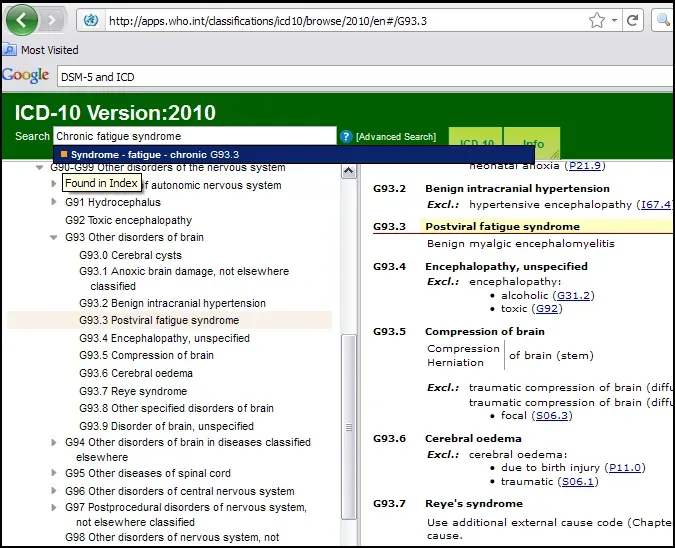
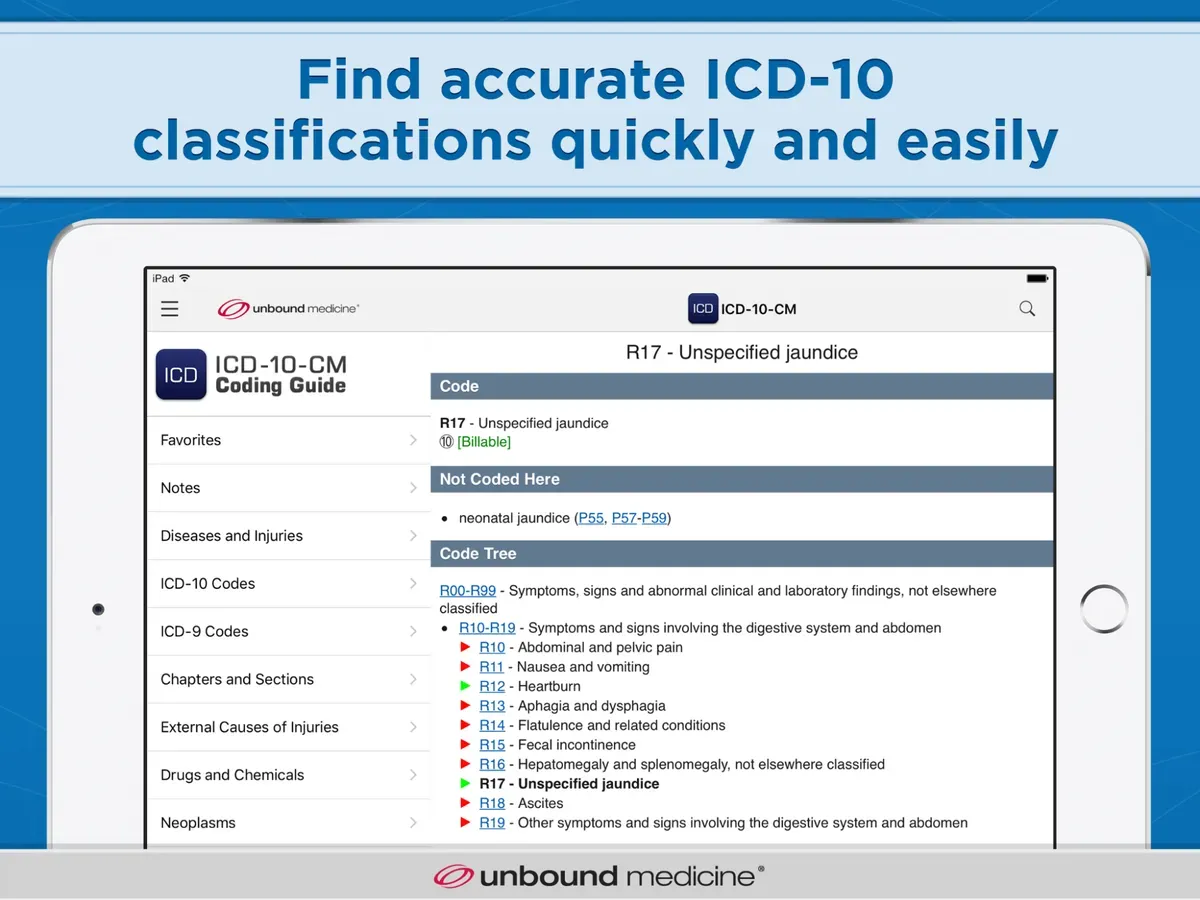
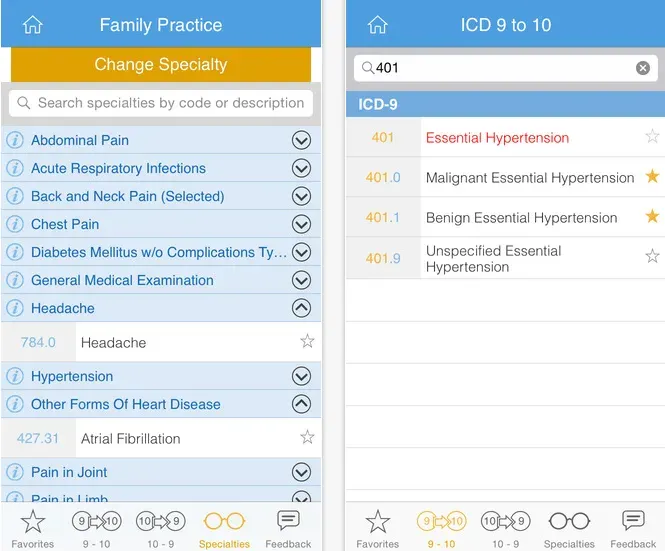
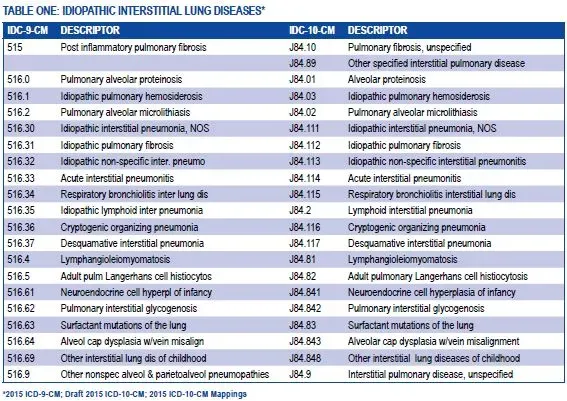
Firstly, an all-encompassing catalog of ICD-10 codes is essential. This ensures you have all the codes you need at your fingertips, whether you're dealing with common ailments or rare diseases. An efficient keyword search functionality paired with an intuitive user interface makes navigating this extensive collection a breeze, saving precious time in a fast-paced medical environment.
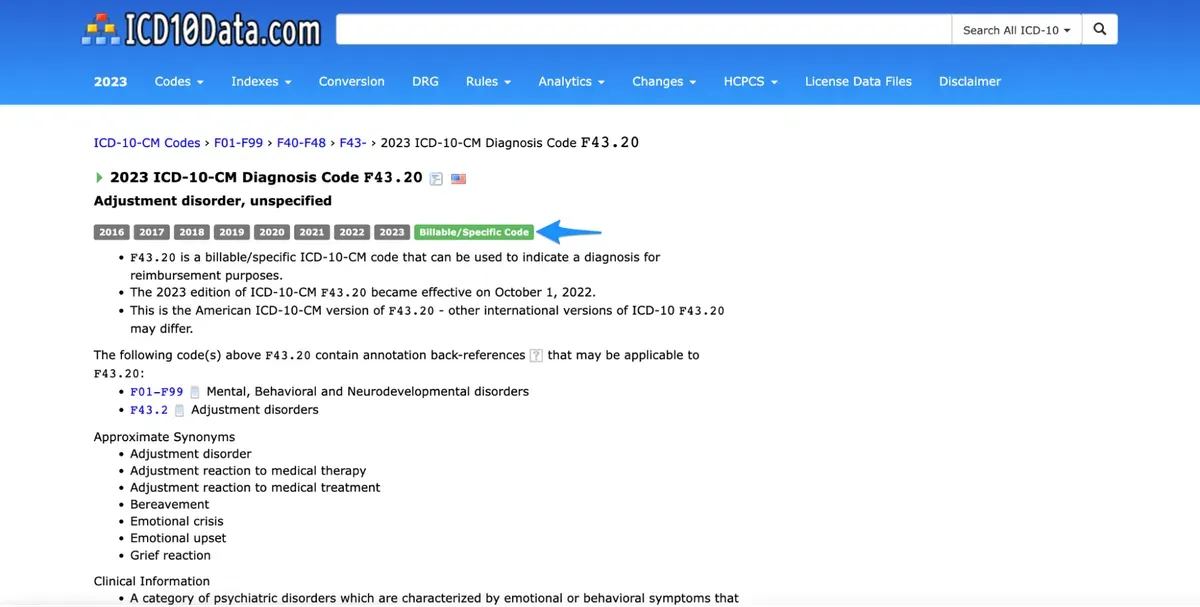
Next, the app should provide clear definitions and comprehensive details for each code. This description not only aids in accuracy but also provides a deeper understanding of the conditions associated with each code, allowing for more informed healthcare decisions.
Another must-have feature is the ability to mark favorites or bookmark frequently used codes. It allows quick access to commonly used codes, making regular tasks more efficient and less time-consuming.
Regular updates are vital for an ICD-10 app. As the ICD-10 system evolves, the app should stay in sync, incorporating new codes or modifications promptly to ensure you always work with the most current information.
Compatibility with various devices and platforms is also crucial for a free ICD-10 app. Whether you prefer working on a tablet, smartphone, or desktop, the app should be readily accessible across these devices, facilitating seamless work transitions.
Lastly, a top-tier ICD-10 app should integrate smoothly with other systems, such as an EHR for Chiropractors. This integration can significantly streamline data entry, eliminating the need to enter the same information twice and reducing the risk of errors.
By considering these factors, you can ensure that you select a free ICD-10 app that will effectively support your practice's needs, enhancing efficiency and patient care.