









Understanding food safety
Each year, an estimated 48 million people in the United States are affected by a foodborne illness or food poisoning. The Centers for Disease Control and Prevention reports around 128,000 hospitalizations and 3,000 deaths attributed to these foodbourne illnesses. These figures emphasize the critical importance of food safety education in preventing such incidents.
Food safety education is vital for everyone, including consumers and food handlers. It provides individuals with the necessary knowledge and skills to identify potential hazards, prevent contamination, and ensure safe and wholesome food consumption.
To promote food safety, here are four simple steps:
- Clean: Regularly wash your hands and surfaces to prevent the spread of bacteria. Prioritize handwashing before cooking or eating, and always clean cutting boards, utensils, and countertops after food preparation.
- Separate: Avoid cross-contamination by keeping raw meats, poultry, seafood, and eggs separated from other foods while shopping, storing, and preparing.
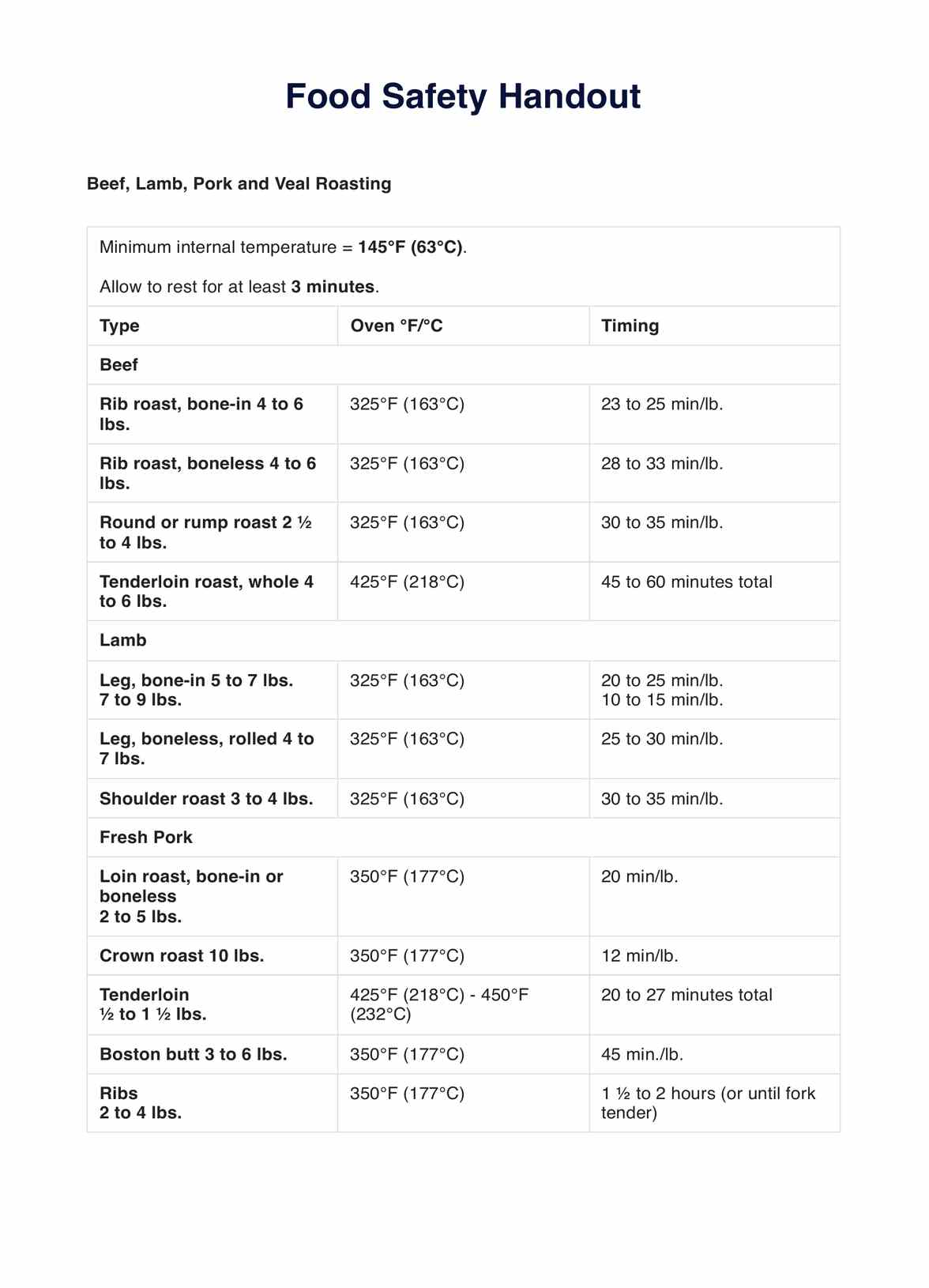
- Cook: Thoroughly cook food to eliminate harmful bacteria. Use a food thermometer to ensure that meat, poultry, seafood, and eggs reach their safe internal temperatures.
- Chill: Promptly refrigerate perishable foods and ensure proper thawing of frozen foods before cooking. Remember, bacteria can multiply rapidly in temperatures between 40°F and 140°F (4°C and 60°C), so it's crucial to keep food out of this "danger zone."
Additionally, it is essential to follow proper storage and handling guidelines for food to stay healthy. For instance, store raw meats on the bottom shelf of the refrigerator to avoid potential cross-contamination from drippings onto other items.









