Potensielle endokrine lidelser
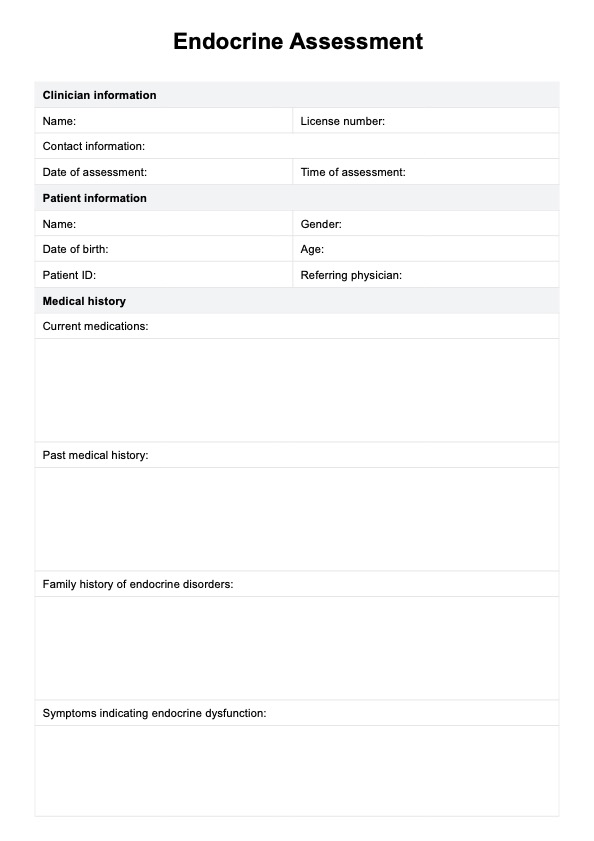
Endokrine lidelser representerer en kompleks og mangfoldig gruppe tilstander som oppstår fra problemer i kroppens endokrine system. Dette systemet, et nettverk av kjertler som produserer og frigjør hormoner, spiller en sentral rolle i å regulere nesten alle celler, organer og funksjoner i kroppene våre.
Hormoner er kjemiske budbringere som reiser gjennom blodomløpet til vev eller organer, og jobber sakte over tid for å påvirke mange forskjellige prosesser, inkludert vekst og utvikling, metabolisme, seksuell funksjon, reproduksjon og humør. Når endokrine kjertler ikke fungerer som de skal, kan hormonoverproduksjon eller underproduksjon resultere, noe som fører til endokrine lidelser.
Skjoldbrusk lidelser
Skjoldbruskkjertelforstyrrelser er blant de vanligste endokrine tilstandene, som påvirker skjoldbruskkjertelen i nakkens fremre del. Skjoldbruskkjertelen produserer skjoldbruskhormoner, som regulerer metabolisme, energiproduksjon og kroppens følsomhet overfor andre hormoner. Tilstander som hypotyreose (underaktiv skjoldbrusk) og hypertyreose (overaktiv skjoldbrusk) kan drastisk påvirke en persons metabolisme og generelle energinivå.
Forstørrelse av skjoldbruskkjertelen, kjent som struma, og skjoldbruskkjertelknuter kan også indikere underliggende skjoldbrusk sykdom eller dysfunksjon. Behandling innebærer ofte hormonerstatningsterapi, medisiner for å undertrykke eller forbedre skjoldbruskfunksjonen, eller kirurgi i noen tilfeller.
Binyresykdommer
Binyrene på toppen av nyrene produserer essensielle hormoner som kortisol, aldosteron og adrenalin. Binyresykdommer, inkludert binyreinsuffisiens (Addisons sykdom) og Cushings syndrom, stammer fra utilstrekkelig eller overdreven produksjon av disse hormonene.
Binyreinsuffisiens kan føre til tretthet, muskelsvakhet, vekttap og lavt blodtrykk, mens Cushings syndrom, ofte forårsaket av overdreven kortisolproduksjon, kan føre til vektøkning, høyt blodtrykk og endringer i hudens utseende. Behandlingen varierer fra hormonerstatning for insuffisiens til medisiner eller kirurgi for å adressere hormonoverproduksjon.
Hypofysesykdommer
Hypofysen, en liten kjertel ved bunnen av hjernen, kalles ofte «masterkjertelen» på grunn av sin rolle i å kontrollere funksjonene til mange andre endokrine kjertler. Hypofyseforstyrrelser, som hypofyseadenomer (godartede svulster) og veksthormonmangel, kan ha utbredte effekter på kroppen. Disse lidelsene kan påvirke vekst, blodtrykk og andre aspekter av metabolisme. Behandling kan omfatte medisiner, hormonerstatningsterapi eller kirurgi for å fjerne svulster.
Diabetes mellitus
Diabetes mellitus er en metabolsk lidelse preget av høyt blodsukkernivå over en lengre periode. Det skyldes defekter i insulinproduksjon (type 1 diabetes), virkning (type 2 diabetes) eller begge deler. Hvis den ikke håndteres riktig, kan denne tilstanden føre til alvorlige komplikasjoner, inkludert hjerte- og karsykdommer, nyresvikt og synsproblemer. Ledelse inkluderer livsstilsendringer, insulinbehandling og medisiner for å kontrollere blodsukkernivået.
Polycystisk ovariesyndrom (PCOS)
PCOS er en tilstand som rammer kvinner i reproduktiv alder og er preget av hormonelle ubalanser, inkludert overskytende androgennivåer og insulinresistens. Kvinner med PCOS kan oppleve uregelmessige menstruasjonsperioder, infertilitet og polycystiske eggstokker, sammen med symptomer som vektøkning, kviser og hårtynning. Behandlingen fokuserer på å håndtere symptomer og kan omfatte livsstilsendringer, medisiner for hormonbalanse og fruktbarhetsbehandlinger hvis graviditet er ønsket.
Endokrine lidelser, på grunn av deres hormonrelaterte natur, kan ha dyptgripende effekter på individets helse og livskvalitet. Tidlig diagnose og riktig behandling er avgjørende for å forhindre komplikasjoner og sikre effektiv behandling. Dette krever ofte en tverrfaglig tilnærming, inkludert endokrinologer, primærhelsetjenesteleverandører og spesialister innen beslektede felt, for å adressere de omfattende virkningene av disse lidelsene på kroppen.