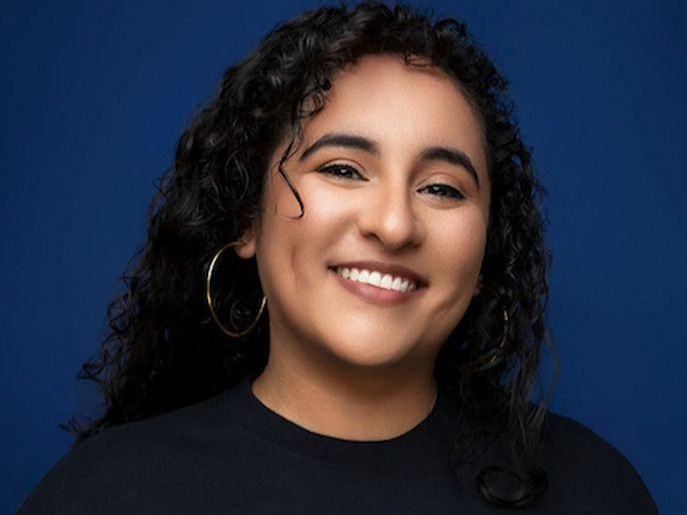
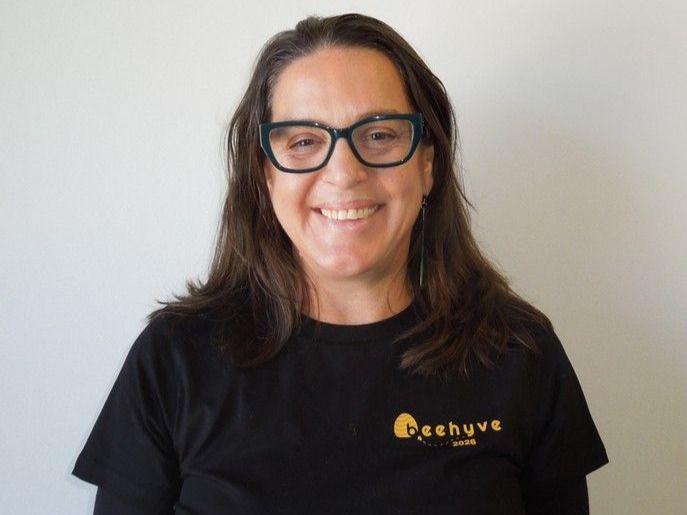
Logan McColl is a mental health occupational therapist and counseling therapist based in Alberta, Canada. He ran a solo private practice called McColl Therapy for about a decade. A year ago, he rebranded as [Mindful Rehab Group,](https://www.mindfulrehab.ca/) a team of twelve clinicians offering mental health OT and counseling therapy across Canada. Logan’s brother Aidan develops and runs the operations side. The clinic manager has worked with Logan for six years. The team runs on Carepatron, which Logan picked after testing five other practice management systems. The platform handles the friction that doesn’t need to be there, so the team can stay focused on the work that actually matters.
Meet Logan McColl
Logan’s route into occupational therapy was unusual. He started as a competitive athlete. Through downhill ski racing, lighter than most of his competitors, he developed an interest in the mental side of high performance. “There is this internal aspect to how I perform, how I participate in the sport,” he says. “The mental or psychological aspect of performance was really interesting.” That led him to study cognitive psychology at the University of Alberta while also coaching ski and wall climbing athletes.
He thought he’d stay on the psychology track. Then he ran into a friend who’d started an occupational therapy program a year earlier. The friend suggested he look into it. Logan did, and the practical, functional side of OT clicked with what he’d learned from competitive sport. He’s now been a mental health OT for twelve years. He’s also a licensed counseling therapist in Alberta.
His clinical approach integrates four quadrants: the external environment, the activities at hand, the body and nervous system, and the mind. He runs walking sessions outdoors when the Alberta weather allows. His work assists high-demand professionals and students, psychological rehabilitation after injury, illness, and trauma, plus cognitive assessment and evaluation.
He spent his first decade as a one-person operation. Then the practice grew bigger than he was.Out from under the Logan show
McColl Therapy started one evening a week. Logan was working full-time in Alberta Health Services, first at Alberta Hospital Edmonton in adult psychiatry, then in a community program with adolescents and families dealing with serious self-injury and suicide-related concerns. The private practice expanded from one evening to two, then to three days a week.
Four years in, Logan let go of the public system role and went private full-time. McColl Therapy ran for about a decade.
Around the five-year mark of his private work, Logan started recruiting other occupational therapists to collaborate on client care. The first was a female OT who could safely work with an adolescent who couldn’t be paired with a male therapist. Then another OT. Then another. Eventually he looked around and realized the team had become bigger than him.
### “I needed to get it out from under the Logan show.”
The brand name would hold others back. Clients were coming to Logan with particular needs that another clinician on the team, with a different background or specialty, was often better placed to meet. As long as the practice carried his name, organizations and clients would default to Logan. The brand had to move beyond him, so the rest of the team could step into their own.
He landed on “Mindful Rehab” because it captured the principle he’d been building the practice around. Deliberate. Not default. Whether you’re working on yourself, treating a client, or running a business, the question is the same: are you doing it deliberately?
### “This idea of being deliberate is at the heart of mindfulness, I think, and it’s the heart of what we do as professionals when we’re honing our craft and our trade.”
The rebrand started in June 2025. By September, the team transition was complete. A year on, Mindful Rehab scaled up to twelve clinicians offering mental health OT and counseling therapy across Canada in its first year. The shift changed more than the brand. It changed how clients found the practice.
### “It’s allowed all the OT members on the team to kind of be propped up as their own professionals, not kind of stuck under this, well, my identity.”
The team includes Aimee, the clinic manager who’s worked with Logan for six years. And Logan’s brother Aidan, a business consultant who’s spent several years in product development and AI tool work. Aidan brings the operations and systems skill set Logan, as a therapist, doesn’t have. He also brings the right level of pushback that only a sibling can. “He knows exactly the right way to get me to do the right work and kick my butt and get me moving,” Logan says.The right kind of friction
Logan thinks about friction the way a clinician does. In therapy, friction is what people are growing through. Discomfort. Anxiety. The sticky stuff. Outside of that, friction is noise. Phone alarms. Groceries to buy. Admin work that takes up bandwidth meant for clients.
For a practice scaling from solo to up to twelve clinicians over the first year, the question is which friction is worth keeping and which gets in the way.
Mindful Rehab itself operates on a partnership model. Each clinician grows in their own direction. One on the team just completed his doctorate in social sciences and is leaning into executive coaching and leadership work. Another does home and equipment assessments alongside her mental health practice, supporting people aging in place. The platform underneath has to support that range, not flatten it.
Before settling on Carepatron, Logan tested five other practice management systems.
### “Carepatron is not the first practice management system I’ve used. I’ve used about five. And Carepatron is certainly the one that we’ve settled with. It’s got the sleekest UI.”
That matters because the team is diverse. Some clinicians are highly tech savvy. Some aren’t. Not everyone picks up a new software stack on day one. Logan’s test is whether new team members come back to him with basic questions after orientation. With other systems they did. With Carepatron they don’t.
### “It’s intuitive enough that nobody’s coming back to me being like, what do I do with a client file? Or how do I do a note properly? And with other systems that can look like they’re built in the 90s, people don’t even know where to click on the screen sometimes.”
Aidan works directly with the Carepatron team on features and improvements as the practice scales. That collaboration is part of why Logan keeps recommending the platform. The systems his brother is building for Mindful Rehab depend on a platform that can adapt with them.
A decade in, Logan got the practice out from under his own name. What’s there now is a team of dedicated professionals doing the work that matters, with the systems underneath built to support them rather than slow them down.