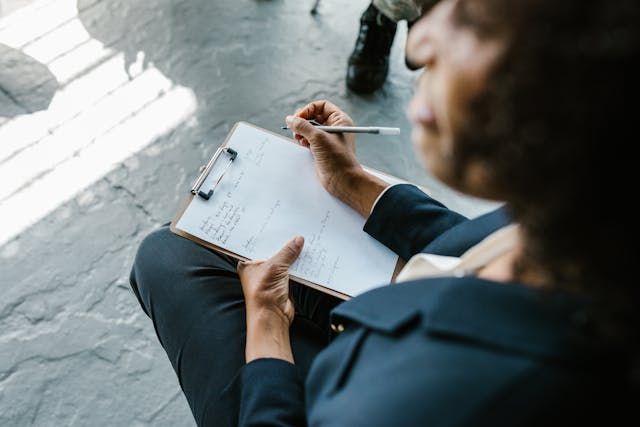
How to structure a Group Coaching program
Group coaching programs can be structured in various ways, depending on the needs and goals of the participants. However, some key elements should be included to ensure a successful and effective program.
Define the purpose
The first two elements of a group coaching structure are clearly defined: purpose and objectives. This will help set the tone for all activities and discussions throughout the program. It is important to involve the group members in this process, as their input and buy-in will be crucial for the success of the program.
Identify the target audience
Before designing any program content, it is important to identify the target audience for the group coaching program. This could be a specific team within an organization, individuals with shared interests or goals, or a diverse group seeking personal or professional development. Understanding the needs and expectations of the target audience will help tailor the program content and activities accordingly.
Plan a schedule
Group coaching programs should have a well-structured schedule that outlines the topics to be covered, the duration of each session, and any breaks in between. This will ensure that all necessary topics are addressed and allow for enough time for discussions and activities. It is also important to consider the group members' availability and schedule the sessions at a time that works for everyone.
Establish ground rules
Group coaching programs are only as effective as the level of participation and engagement from its members. Therefore, it is essential to establish clear ground rules at the beginning of the program. These could include expectations around confidentiality, respect for diverse opinions, and active participation. Having a designated facilitator or leader who can enforce these rules throughout the program is also helpful.
Incorporate various learning methods
People learn in different ways, and it is important to incorporate a variety of learning methods in a group coaching program. This could include presentations, group discussions, role-playing activities, and individual reflection exercises. The program will be more engaging and effective for all group coaching clients by catering to different learning styles.
Encourage group interaction
One of the main benefits of a group coaching program is the opportunity for individuals to learn from one another. It is important to encourage group interaction throughout the program to foster this type of learning. This could include small group discussions, peer feedback group sessions, or even group projects.
Provide individual support
Group coaching calls for a balance between group and individual support. While your group program packages may focus on collective learning, providing individual support for each member is important. This could include one-on-one coaching sessions or personalized feedback from the facilitator.