





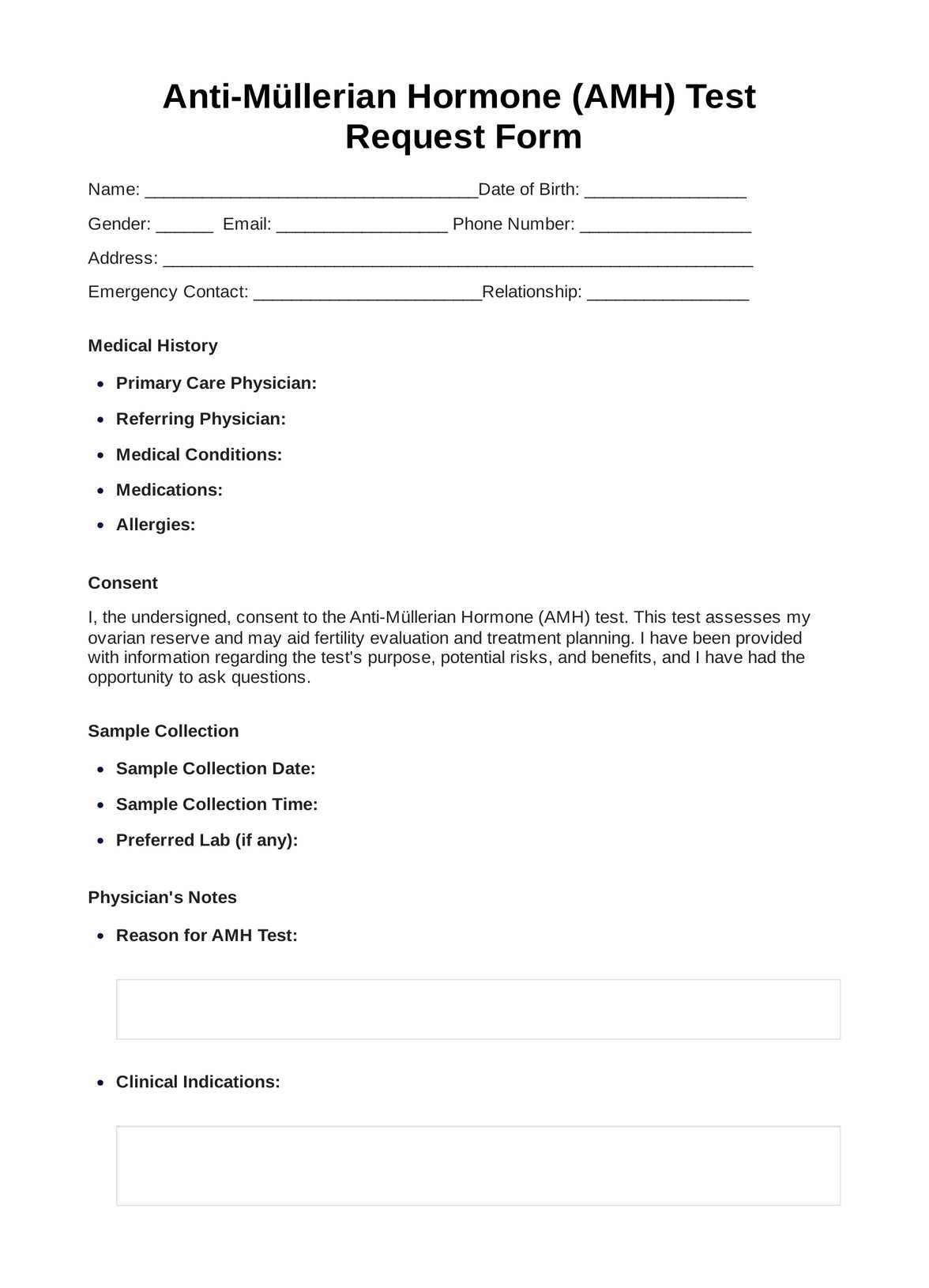




What is an Anti-MǬllerian Hormone Test (AMH)?
The (AMH) is vital for assessing a woman's reproductive potential. This blood test analyzes a woman's ovarian reserve, which refers to the quantity and quality of eggs in her ovaries. The test is crucial in reproductive medicine and gynecology, providing essential insights into a woman's fertility status.
AMH is predominantly produced by the ovaries in females, and the test measures the hormone levels in a woman's bloodstream. Higher AMH levels generally indicate a more enormous ovarian reserve, which suggests a more significant number of viable eggs available for future conception. On the other hand, lower AMH levels may signify a reduced ovarian reserve, which could indicate conditions like premature ovarian aging or infertility.
The AMH test benefits individuals contemplating fertility treatments such as in vitro fertilization (IVF) or those interested in preserving their fertility. Healthcare providers collect a blood sample from the patient, and the results are typically reported in units like nanograms per milliliter (ng/mL) or picograms per milliliter (pg/mL). The test results guide healthcare professionals in tailoring fertility treatment strategies and offering personalized guidance on family planning.
The AMH test is non-invasive and is usually performed in a clinical setting. The results are reliable and accurately assess a woman's ovarian reserve. The test benefits women who want to conceive or face fertility issues later in life. It helps them make informed decisions about their reproductive health and take appropriate measures to preserve their fertility.









