How does Play Therapy often work?
This depends on the healthcare professional providing Play Therapy. How they do things and what they include in their respective Play Therapy programs will vary, but there will still be similarities in their practices!
Play Therapy, in general, usually comes in several sessions with a child. The length of these sessions, as well as the frequency, will depend on the child, what their needs are, and the challenges that they face, though there will be times when a particular session has a set time, especially if the professional believes that including a child in a group of other children is necessary.
Usually, when a child is enrolled in a Play Therapy program, the first thing that the professional needs to do, like any other therapy or counseling program, is to establish rapport with the child. The child will need to be able to trust the professional, so the professional must create a safe space for them to establish trust. How do you establish trust with a kid? Play with them!
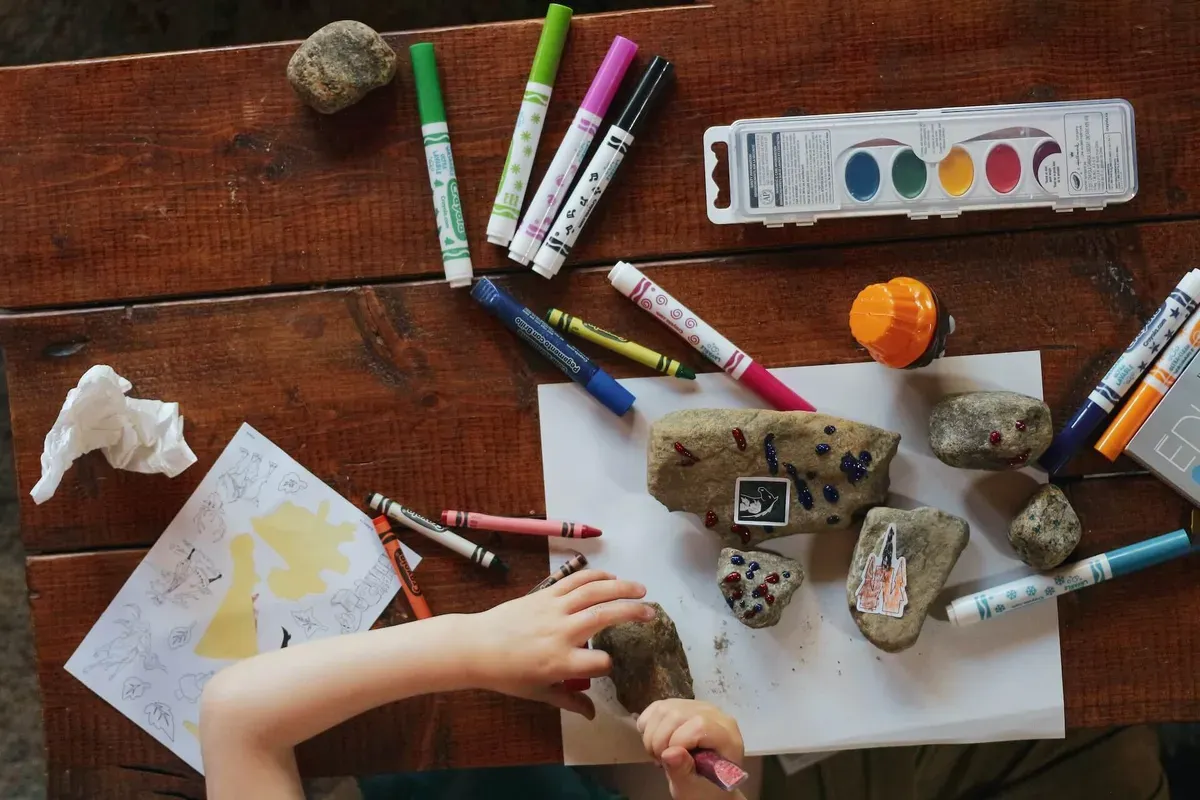
Throughout the Play Therapy sessions with kids, professionals often include a wide variety of things for children to play/engage with, like toys, art materials, and even games that professionals and children can play together. These things should help children explore and express themselves in non-harmful ways.
During these sessions, professionals should observe each child to make educated assumptions about how they are like emotionally and how they behave in certain situations. Doing so will help professionals determine the kind of support they should give each child. Do the children like listening to professionals tell stories? Do they also have a knack for telling stories or at least an interest? Then, maybe you can provide them with children’s books for them to read out loud or even puppets so they conduct a short scenario for everyone to watch and enjoy!
Play Therapy isn’t just meant for just professionals and children. There will be times when parents and guardians will be involved so that they better understand their kids. This is essential so they know how to support their kids at home.
All in all, Play Therapy is a collaborative endeavor that seeks to provide the necessary support that a child needs to develop coping mechanisms, problem-solving skills, a sense of self, and more that they will need growing up, all through healthy and engaging activities!