When to Use Group Therapy Tools
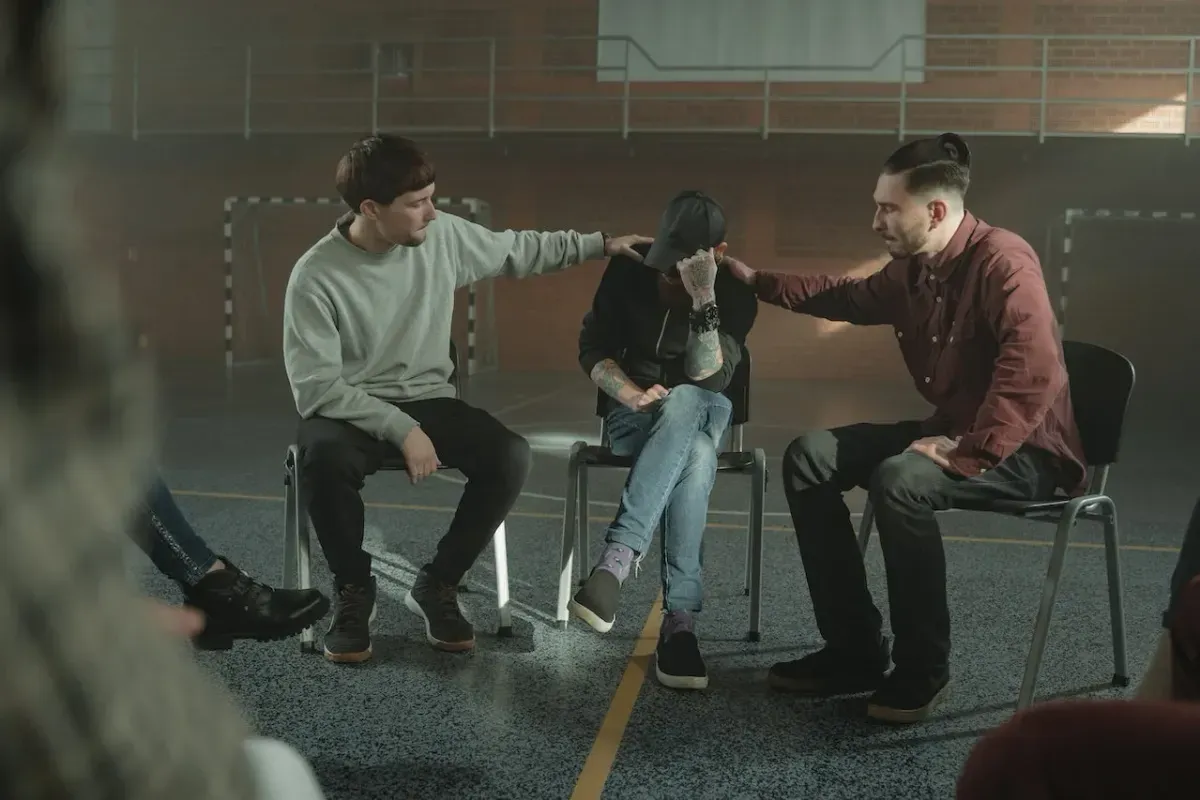
Group therapy tools come into play when the therapeutic process needs direction, interaction, or stimulation. They are instrumental at the beginning of therapy to foster trust and rapport. For instance, icebreaker activities are ideal for initial sessions when members get to know each other.
They also have a role during periods of stagnation or high tension. Fun group therapy activities can lighten the mood, while problem-solving or role-playing exercises can provide new ways to address ongoing issues. Additionally, these tools are crucial in sessions focused on specific topics like emotional regulation, communication skills, or self-esteem.
Initial Sessions
Group therapy tools such as ice breakers and get-to-know-you activities can be handy in initial sessions when group members are still unfamiliar with each other. These tools can help break the ice, encourage introductions, and create an environment conducive to sharing and collaboration.
During High-Tension Meetings
If a group session becomes tense or heated, a therapist might employ certain activities to diffuse tension and promote understanding. This could include calming exercises like guided imagery or team-building activities encouraging cooperation and unity.
When Introducing New Topics
Related group therapy activities can help illustrate and explore the concept when introducing a new subject. For example, role-playing exercises can be employed if the focus is on developing empathy.
During Stagnant Periods
If group sessions become stagnant, lack engagement, or if members seem stuck, group therapy tools can be used to reinvigorate the group and stimulate progress. Fun and engaging activities can bring a fresh perspective and energize the group.
To Foster Skill Development
Specific group therapy activities can teach and reinforce emotional regulation, active listening, or assertive communication skills. Practicing these skills in a safe, supportive environment helps individuals integrate these behaviors into their everyday lives.
During Closure or Transition
As the group therapy ends, or when members transition out, reflective activities, such as group discussions or personal letter writing, can provide closure and a chance for members to acknowledge their progress and the relationships they've formed.
Handling Resistance or Defensiveness
If a group member is resistant or defensive, a therapist might use certain group therapy activities to encourage participation and engagement. An example could be a non-threatening creative activity like art or music therapy, where the focus is shifted from the individual to the shared task.