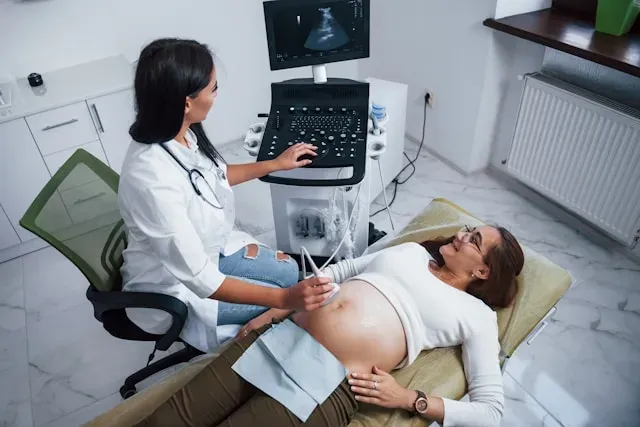
Types of support a healthcare professional can give a mother
During pregnancy, the foundation for a baby's lifelong cognitive development begins to take shape. As a healthcare professional, you have the remarkable opportunity to influence this process positively. Maternal health and lifestyle choices, such as physical activity, significantly impact newborn brain cortical development. To promote fetal brain development, the support a mother receives during pregnancy influences their physical and mental health. Here are some of the things you can do while they are under your care:
Provide nutritional guidance
In all things, nutrition. We can't stress enough how pivotal the role of nutrition is to pregnant women. A mother's nutrition is found to have a link with neurodevelopment and the baby's brain power. Without proper nutrient intake, brain defects can be expected. Along with them are altered cognitive brain functions, visual problems, and motor skills deficits (Cortés-Albornoz et al., 2021).
The Office of Disease Prevention and Health Promotion (2023) states that a healthy diet for pregnant women includes nutrients like protein, folic acid, iodine, and choline. Calorie intake should also increase as the pregnancy progresses. Advise your patients to limit caffeinated and sugary drinks and avoid alcohol. It would be of great help if you could provide them with a reference or a handout to quickly remind them of what should be included in their diet.
Offer mental health support
Pregnancy can be challenging, bringing a rollercoaster of emotions to the mother, and sadly, sometimes, their mental health is neglected. During your consultations, encourage them to talk about their feelings to someone they trust.
If there are support groups for expecting mothers, you can encourage them to join so that they know they are not alone. Recommend some ways to destress, or if the patient is undergoing some serious mental health conditions, refer them to a mental health provider so that appropriate treatment plans and care can be given to them.
Recommend safe exercises
Exercise can be an excellent way to promote a pregnant woman's health as long as there are no complications during pregnancy. You can suggest they do simple activities like walking, yoga, and swimming.
Physical activity in healthy pregnant women during the 1st and 2nd trimesters significantly affects newborn brain development. Greater maternal exercise levels are associated with increased neonatal brain cortical thickness, which can result in better cortical brain development (Na et al., 2022).
Provide counseling (in case the patient is using substances)
There might be instances where you end up having a patient who is using substances. Counseling her involves talking about the risks these substances can pose to her baby's brain and overall development.
Acknowledge her side and help her understand how substances like drugs or alcohol can affect the baby's growth and health. You must work together to find ways to reduce or stop substance use, providing support and resources like therapy or support groups. You may also refer her to a substance abuse counselor if further interventions are necessary.
Conduct regular check-ups
Regular check-ups during pregnancy are crucial for ensuring your patient and her baby stay healthy. After giving birth, support continues with check-ups to monitor the baby's growth and development, and guidance is provided to assist the patient with breastfeeding, nutrition, and adjusting to life with her new baby. These check-ups and support are essential for ensuring a healthy pregnancy and a positive start for the baby's life and brain development.