





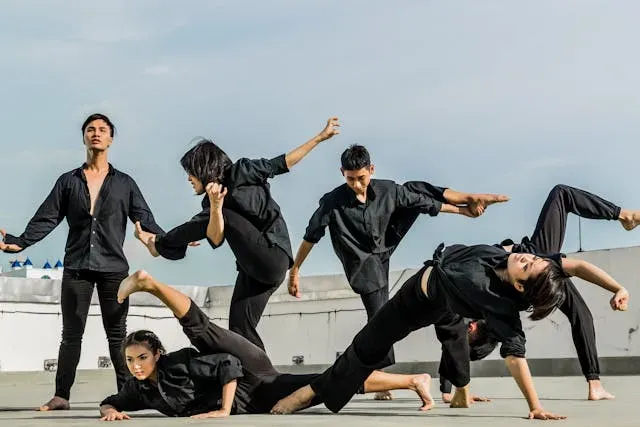

As healthcare professionals, we seek innovative methods to enhance patient care. Dance is more than just an enjoyable pastime. It’s a therapeutic tool we can use in our clinical practice because it has profound implications for mental health. Dancing raises endorphins and other feel-good chemicals, making it an effective remedy for mental illness.
With roots in nearly every culture worldwide, dance has long been celebrated for its ability to bring joy and foster community. Beyond its cultural significance, dance involves physical activity, rhythmic movement, and emotional expression, which are crucial in impacting our self-esteem, body awareness, and overall psychological state.
How dance affects the brain
When patients move to a musical rhythm, their brains release a cocktail of feel-good chemicals, including dopamine and serotonin. These neurotransmitters are associated with pleasure, motivation, and overall mood regulation—all of which combine to improve self-esteem.
Additionally, endorphins are released, which act as natural painkillers and further enhance their sense of well-being. This process enhances brain function and stimulates neuroplasticity, allowing the brain to form new neural connections.
This makes it easier for patients to adapt to new experiences, learn new skills, and recover from psychological stress. The coordination required in dance engages multiple brain regions, enhancing cognitive functions such as memory, attention, and spatial awareness.
Furthermore, dancing in a social setting can strengthen social bonds and create a sense of community, providing emotional support and reducing feelings of loneliness. The mental benefits of dancing extend well beyond physical fitness, profoundly impacting mental and emotional health.
The nervous system and mental health
The nervous system, comprising the Central Nervous System (CNS) and Peripheral Nervous System (PNS), is vital for mental health.
Conscious dance positively impacts both systems, whether in older adults or kids:
- The central nervous system (CNS) benefits from dance. Dance increases blood flow and oxygen to the brain, enhancing cognitive functions, and movement sends signals through the spinal cord, improving coordination and balance.
- The peripheral nervous system (PNS) also benefits. The autonomic nervous system (ANS) prepares the body for action, increasing heart rate and blood pressure, while the parasympathetic nervous system (PNS) promotes relaxation, lowering heart rate and blood pressure.