Measurements
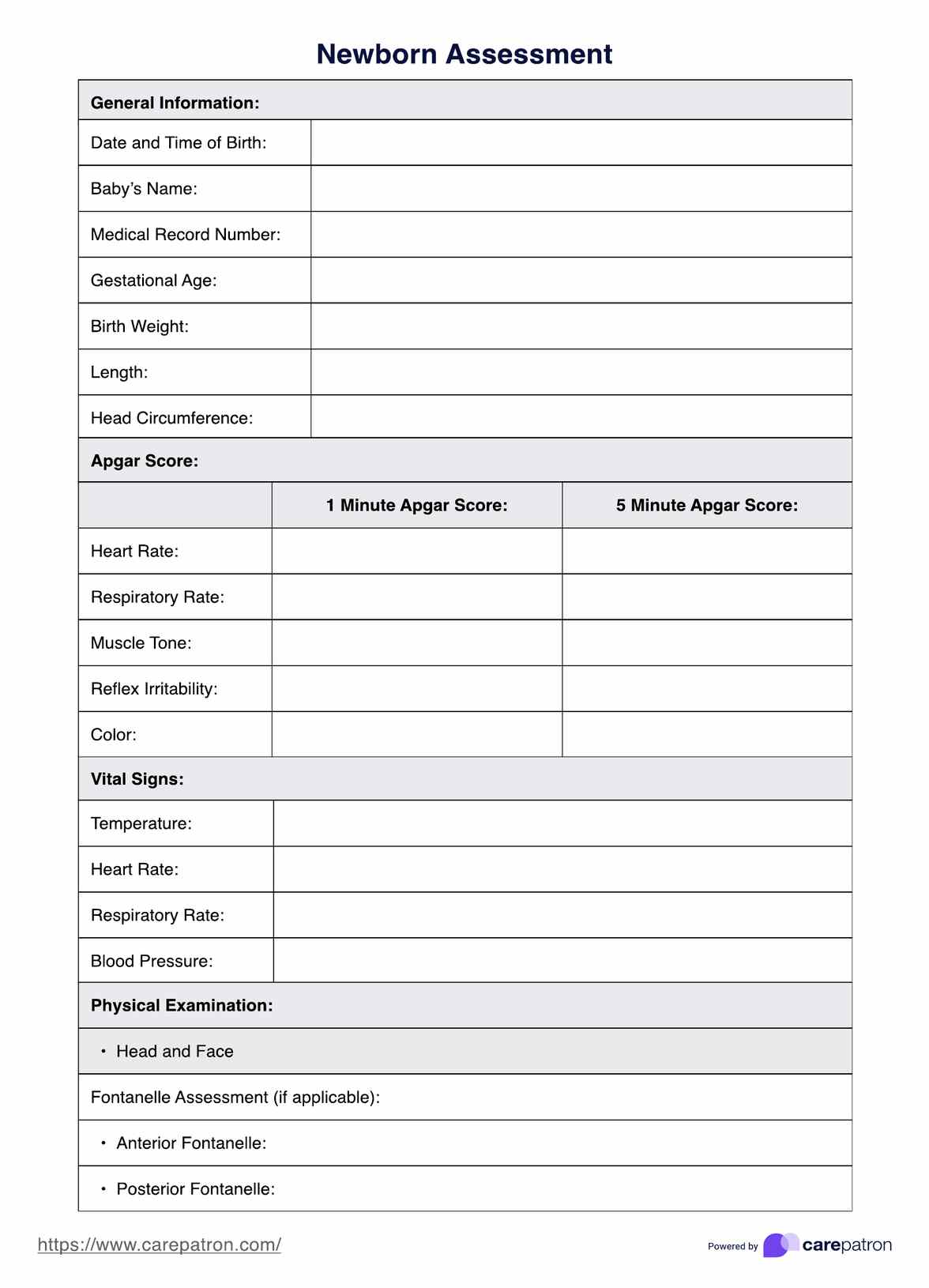
Newborn assessment through measurements is a meticulous process that involves evaluating various aspects of a baby's physical development. This comprehensive approach, often integrated into the overall physical examination, provides healthcare professionals with valuable information about the baby's growth, potential risks, and overall well-being.
One fundamental aspect of newborn assessment is measuring the baby's length. This involves determining the distance from the top of the baby's head to the heel. Length measurement is essential in assessing the baby's overall growth and identifying any abnormalities or concerns.
Next, measuring the baby's head circumference is crucial for monitoring brain growth and development. An abnormal head circumference may indicate certain conditions or require further investigation.
Weighing the baby is a routine practice in newborn assessment. It allows healthcare providers to gauge the baby's nutritional status and overall growth. This measurement is particularly significant for premature babies or very small infants whose birth weight may influence their health and development.
In addition to body measurements, assessing vital signs such as heart rate, respiratory rate, and temperature is integral to newborn examination. These vital signs offer insights into the baby's cardiovascular and respiratory systems, ensuring a holistic understanding of their overall health.
For premature or very small babies, healthcare providers pay special attention to these measurements as they can indicate their ability to thrive outside the womb. Conversely, very large babies may raise concerns about potential delivery complications and long-term health implications.