









What is Dialectical Behavior Therapy?
Dialectical Behavior Therapy (DBT) is an evidence-based form of psychotherapy that combines cognitive-behavioral techniques with mindfulness strategies. Originating from Cognitive Behavioral Therapy (CBT), DBT introduces the concept of 'dialectics' - the reconciliation of opposites in a continual synthesis process. This therapy aims to balance changing and accepting behaviors to improve emotional regulation, enhance communication skills, and promote better stress management.
Primarily designed to manage borderline personality disorder, DBT has expanded its scope to address various mental health issues that impact personal safety, relationships, work, and emotional stability. It is particularly effective for individuals struggling with self-destructive behaviors or those struggling to manage intense emotions.
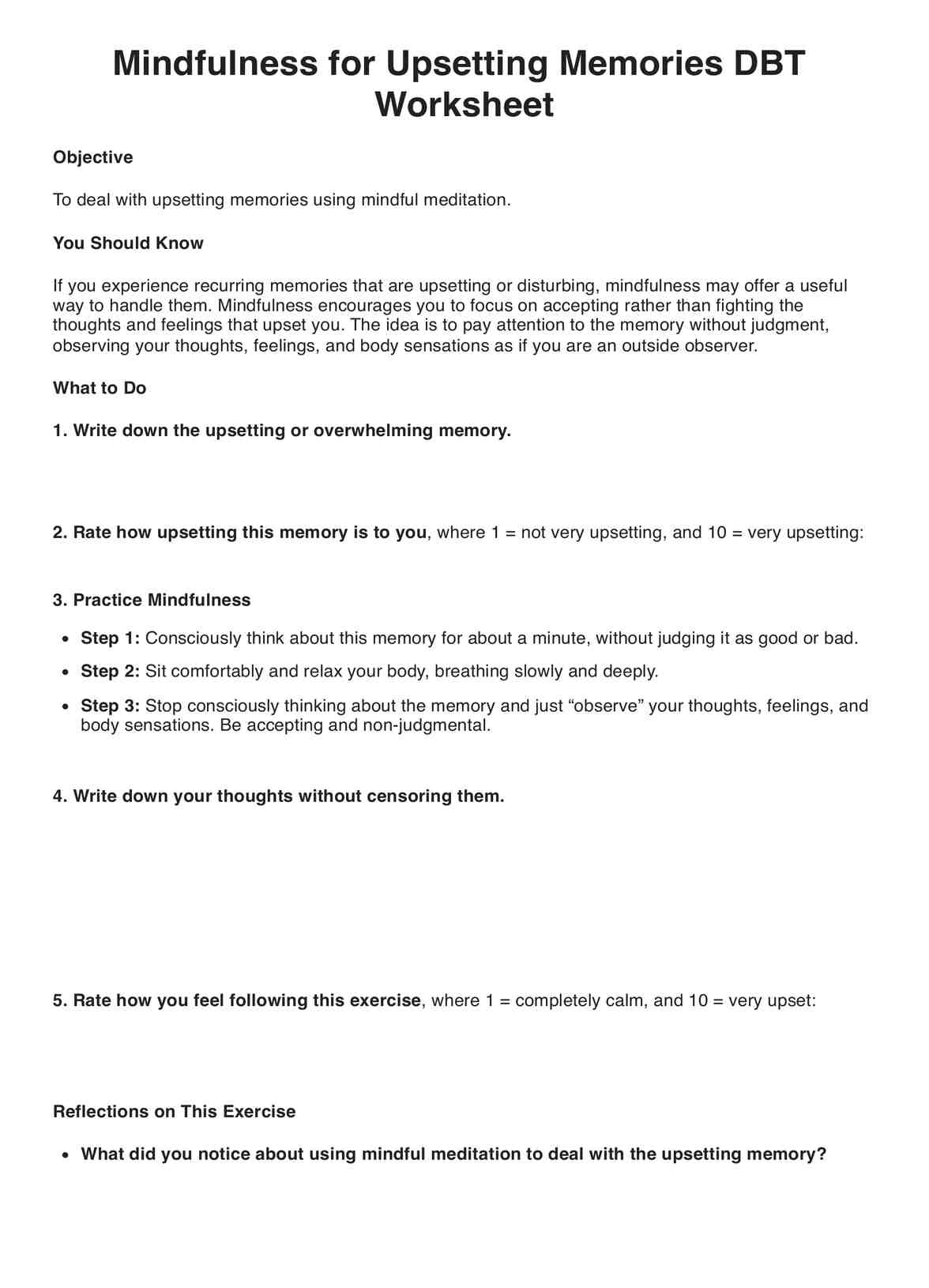
A focal point of DBT is the practice of mindfulness, which is about being entirely present in the moment and accepting it without judgment. As a core component of DBT, mindfulness helps individuals understand and navigate their feelings, thereby reducing emotional distress, enhancing self-awareness, and fostering emotional well-being.
DBT typically involves individual therapy sessions, group skills training, phone coaching, and team consultation. The therapy progresses through four stages, each addressing specific challenges and building essential life skills. These stages include building behavioral control, enhancing emotional experience, promoting ordinary happiness and self-esteem, and enabling the capacity for freedom and joy.
DBT is a pathway towards leading a healthier, more manageable life. For more information about DBT and its applications, visit our resources. You can utilize the Dialectical Behavior Therapy Template to enhance your therapeutic practice and support client progress. This template is designed to provide structured interventions that address emotional regulation and interpersonal effectiveness.









