









What is lupus?
Lupus is a chronic autoimmune disease that causes the immune system to attack healthy tissues, leading to widespread inflammation (National Institute of Arthritis and Musculoskeletal and Skin Disease, 2022). Systemic lupus erythematosus (SLE) is the most common form, affecting multiple organs, including the central nervous system, skin, joints, kidneys, and blood cells.
Cutaneous lupus erythematosus primarily affects the skin (Kole & Ghosh, 2009). The disease can lead to blood disorders, including anemia and leukopenia, by targeting red blood cells and white blood cells. Some patients develop lupus anticoagulant, increasing the risk of clotting. Mixed connective tissue disease may overlap with lupus (Sapkota & Al Khalili, 2020), and blood tests are essential for diagnosing active SLE disease and assessing severity.
Types
Lupus is classified into several types based on organ involvement and disease characteristics. As mentioned,ystemic lupus erythematosus is the most common (Vaillant et. al., 2023), affecting multiple systems, including the kidneys, skin, and heart. Discoid lupus erythematosus (DLE) is a form of cutaneous lupus erythematosus that causes discoid lesions and scarring (.
Drug-induced lupus mimics SLE but resolves after stopping the triggering medication. Neonatal lupus occurs in newborns due to maternal antibodies. Some cases overlap with other autoimmune disorders, such as systemic sclerosis. Identifying the correct type through a blood test and meeting diagnostic criteria is essential for proper management.
Symptoms
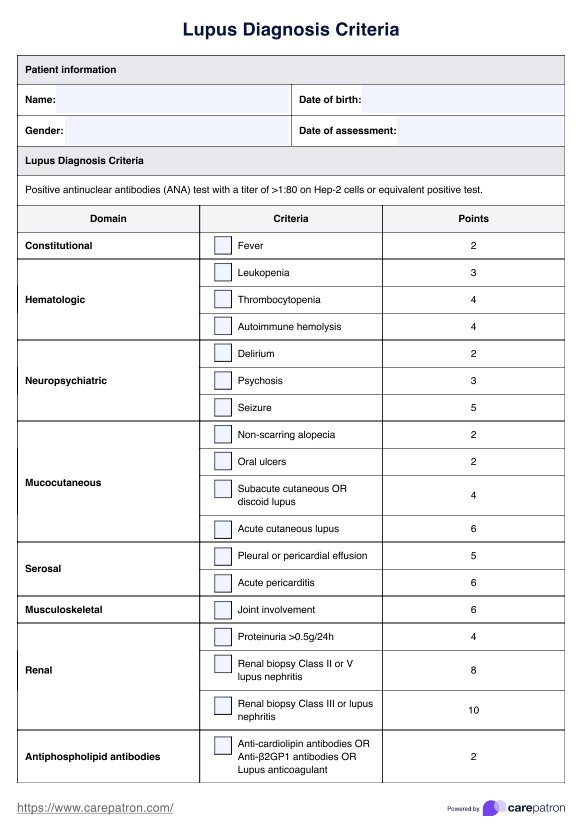
Lupus symptoms vary but commonly include joint pain, fatigue, and chest pain from pleuritis or pericarditis. Neurologic symptoms, such as seizures and cognitive dysfunction, can indicate active lupus. Pulmonary hypertension and interstitial lung disease may develop, leading to respiratory issues.
Skin manifestations like discoid lesions and photosensitivity are frequent in cutaneous lupus erythematosus. Blood abnormalities, including anemia and thrombocytopenia, are diagnosed via antinuclear antibody testing and other blood tests. Disease severity fluctuates, with periods of remission and flare-ups that require ongoing monitoring.
Risks
Lupus increases the risk of cardiac disease, kidney dysfunction, and clotting disorders. Lupus anticoagulant raises the likelihood of thrombosis, leading to complications such as stroke or deep vein thrombosis. Chronic inflammation may cause permanent organ damage, particularly in the kidneys and cardiovascular system.
Pulmonary hypertension can arise from long-term lung involvement, while interstitial lung disease affects breathing capacity. Coexisting autoimmune disorders, such as systemic sclerosis, further complicate management. Physicians must assess active lupus progression through blood tests and imaging to prevent severe complications.









