









What is a HSCRP Blood Test?
In the realm of healthcare, precision and accuracy are paramount. This is where the High Sensitivity C-Reactive Protein (HSCRP) blood test plays a crucial role. The HSCRP test is a highly sensitive measurement that detects low levels of C-reactive protein (CRP) in the blood. CRP is a protein produced by the liver in response to inflammation, and its levels in the blood can indicate the presence of inflammatory diseases, infections, and other health conditions.
For healthcare professionals, the HSCRP test is an invaluable tool. It aids in assessing the risk of cardiovascular disease, monitoring chronic inflammatory conditions, and evaluating the effectiveness of treatments. In a landscape where early detection can significantly alter patient outcomes, the HSCRP test stands as a beacon of proactive healthcare management.
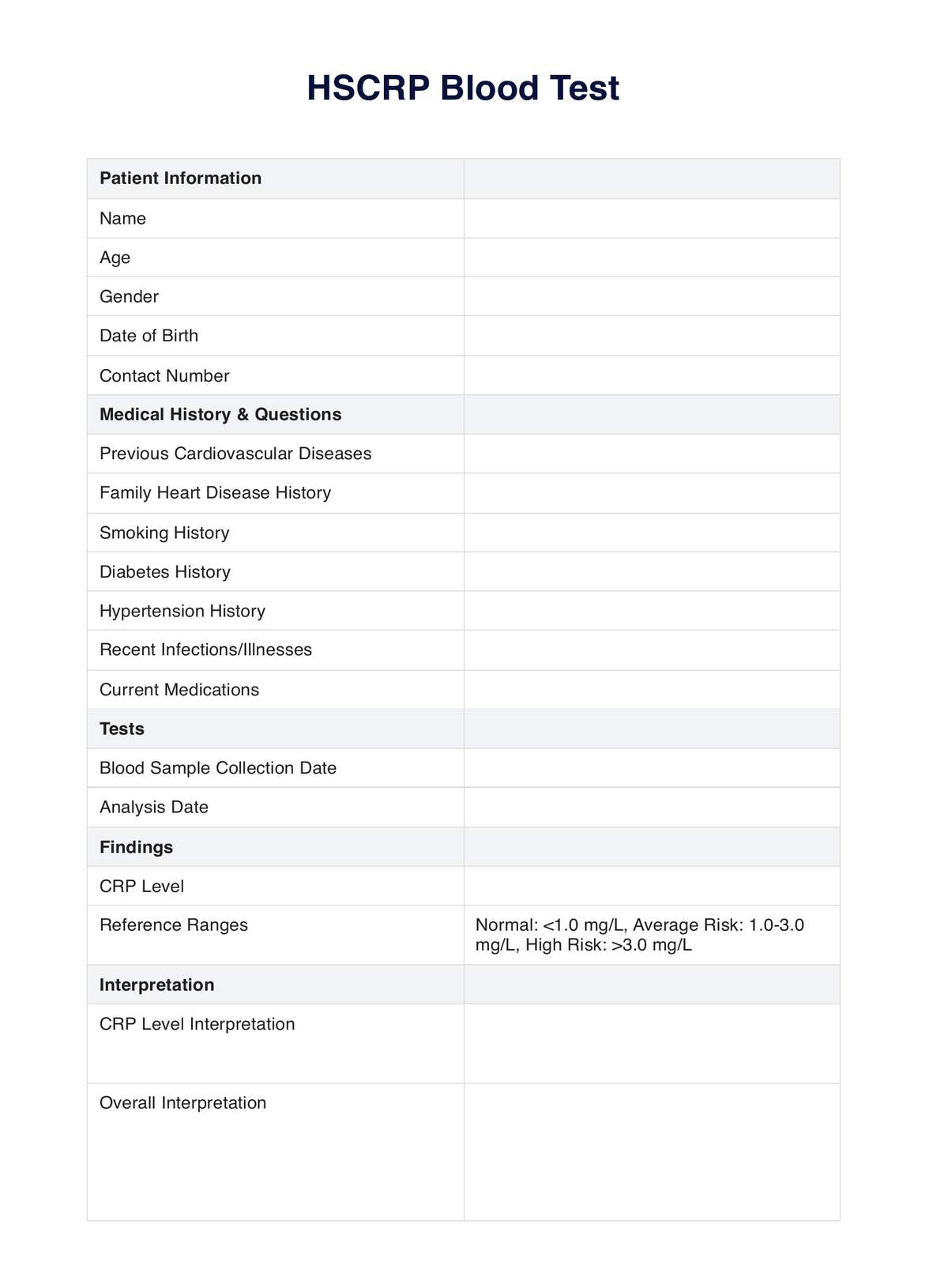
Our guide, HSCRP Blood Test, is designed to offer healthcare professionals a comprehensive understanding of this test. It includes a detailed overview of the test, its clinical significance, and how to interpret its results. The guide also features a free downloadable PDF, providing a practical resource for clinicians to reference in their practice.
This test is more than just a diagnostic tool; it's a window into the patient's health, offering insights to guide treatment decisions and patient care strategies. As healthcare professionals, embracing such tools is pivotal in our journey to provide compassionate, informed, and effective care to those who entrust us with their health.









