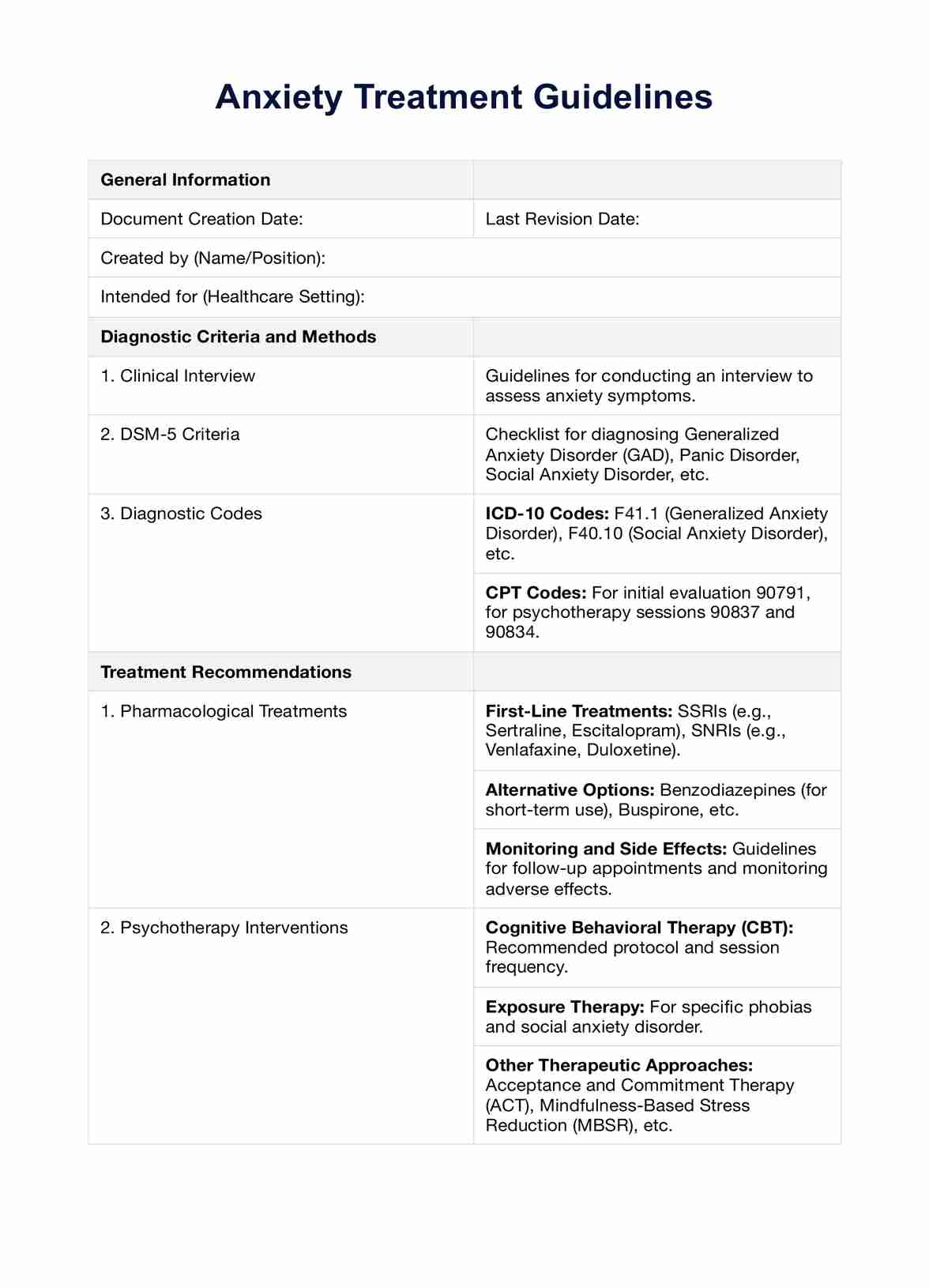
Types of anxiety disorder
Anxiety disorders encompass a range of conditions that share the common feature of excessive fear or worry that interferes with daily life:
Generalized anxiety disorder (GAD)
GAD is characterized by persistent and excessive worry about various topics, events, or activities, such as health, work, social interactions, and everyday life circumstances. Individuals with GAD find it difficult to control their worry and may experience physical symptoms like restlessness, fatigue, muscle tension, and sleep disturbances. The worry and anxiety are more severe than the normal anxiety people experience day to day and can last for six months or more.
Social anxiety disorder
Social Anxiety Disorder, also known as social phobia, involves an intense fear of social situations where one might be scrutinized or judged by others. This fear can significantly impair one's ability to function in daily life, affecting work, school, and other social interactions. Individuals may worry about acting or appearing visibly anxious (e.g., blushing, stumbling over words) and being viewed as stupid, awkward, or boring. They may avoid social situations altogether to prevent this embarrassment.
Panic disorder
Panic Disorder is marked by sudden, intense episodes of fear or discomfort, often peaking within minutes. These panic attacks are accompanied by physical symptoms such as heart palpitations, sweating, trembling, shortness of breath, feelings of impending doom, or fear of losing control. The unpredictability of panic attacks can lead individuals to avoid places or situations where they have previously occurred, significantly impacting their lives.
Separation anxiety disorder
Traditionally thought only to affect children, Separation Anxiety Disorder can also be diagnosed in adults. It's characterized by excessive fear or anxiety about being parted from those to whom an individual is attached. The fear is beyond what is appropriate for the person's age, causing significant distress or problems functioning. Symptoms might include persistent worry about losing the person close to them, distress when anticipating or experiencing separation, and reluctance to be away from loved ones.
Each of these anxiety disorders has distinct features, but they all share the common thread of excessive fear or worry. Understanding the type of anxiety disorder is a critical step in seeking help and beginning a path towards recovery.