






What is depression?
Depression, a prevalent mental health condition, extends beyond occasional feelings of sadness or low energy. It is a complex disorder that significantly impacts one's thoughts, emotions, and daily functioning. Major Depressive Disorder (MDD) is a common form of depression, characterized by persistent feelings of hopelessness and a lack of interest in activities. Individuals experiencing significant depression often face challenges in maintaining relationships, work, and overall life satisfaction.
Understanding depression is crucial in fostering a proactive approach towards mental well-being. Mental health providers play a pivotal role in diagnosing and treating depression. They provide treatment plans for depression after identifying presenting symptoms and outlining intervention methods.
Depression falls under the broader category of mood disorders and mental health problems, affecting millions of people globally. It is not merely a temporary state of mind but a severe mental illness that requires attention and care. Addressing depression through depression screening involves a multifaceted approach, combining psychological interventions, lifestyle changes, and sometimes medication.
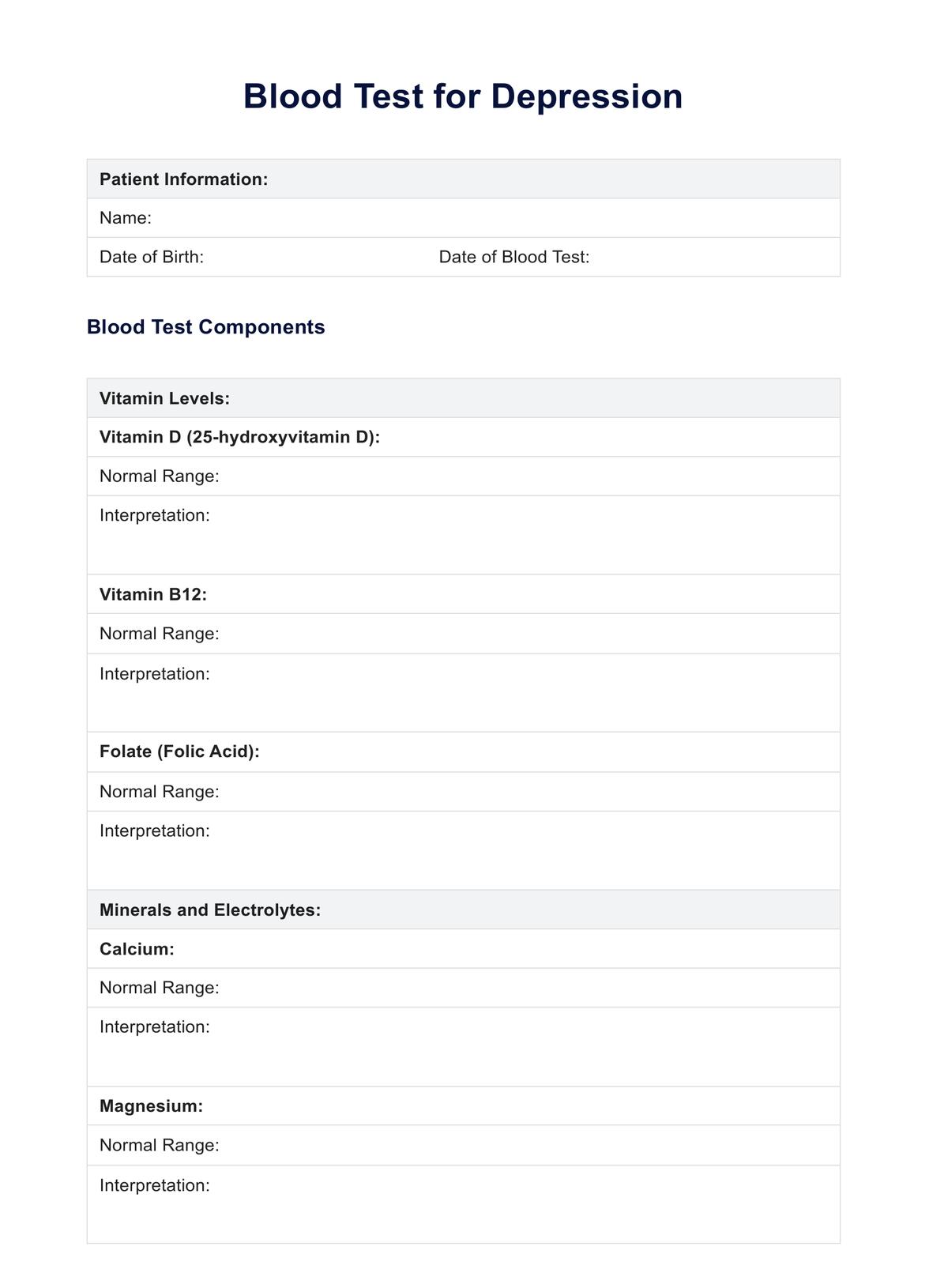
In mental health terms, diagnosing depression is a nuanced process. Mental health professionals employ various methods, including comprehensive assessments and interviews, to understand the individual's emotional state. Lab tests are not typically used for diagnosing depression, but they may be employed to rule out other underlying health issues.









