





HCPCS Code J9035: Injection, Bevacizumab, 10 mg
## **What is the HCPCS code J9035 for?**
The HCPCS code J9035 is a J code. J codes are a massive cluster of HCPCS codes that are mostly for injected medication. In the case of J9035, what is being injected is bevacizumab, specifically 10 mg (10 mg = 1 unit).
Bevacizumab is a type of medicine that's injected into the bloodstream. Its purpose is to slow down the growth of new blood vessels, and it's often used as part of proliferative diabetic retinopathy and cancer treatments. By slowing down the growth of new blood vessels that feed cancerous tumors, tumors can shrink in size, and cancer progression can be slowed down.
The examples of cancers this can help treat include liver cell carcinoma, (metastatic) renal cell carcinoma, primary peritoneal cancer, colorectal cancer, spinal cord gliomas, metastatic spine tumors, lung cancer, central nervous system tumors like glioblastoma, ciliary body tumor, and ovarian cancer (especially after initial surgical resections), just to mention a few.
It's not just limited to cancers, though. It can also be used to treat macular edema resulting from retinal vein occlusion or diabetes mellitus.
## **Documentation requirements for J9035**
As with any procedure, especially involving injecting drugs into patients, it's important to document the following before you file for a claim that includes this code:
- The full name of the personnel who administered the injection + their credentials
- The name and address of the facility where the injection was administered
- The full name of the patient
- The date and time of the drug administration by injection (including the NDC number)
- Patient records showing they have been diagnosed with a cancer that this medicine can treat to justify medical necessity
- Blood test results and imaging test results showing the sizes and locations of tumors, plus information on cancer cells
- Provider's written order and signed administration notes
- The exact dosage and billing units (remember that every 10 mg is 1 unit)
## **Billing requirements for J9035**
Besides the documentation requirements above, please note the following billing requirements for this HCPCS code:
- They must reflect the dosage given over the course of the treatment.
- Use either of two modifiers: JW if there's unused medication in a vial (wastage), or JZ if there's no unused medication.
This medication is administered intravenously, so please use CPT code 96365. Also use the ICD diagnosis code related to their cancer (e.g., D43.2 - Neoplasm of uncertain behavior of brain, unspecified; D49.2 - Neoplasm of unspecified behavior of bone, soft tissue, and skin [desmoid tumor]; C49.0 - Malignant neoplasm of connective and soft tissue of head, face and neck; C45.7 - Mesothelioma of other sites).
## **Other similar codes**
- **J9055** - Injection, cetuximab, 10 mg
- **J9023** - Injection, avelumab, 10 mg
- **J9022** - Injection, atezolizumab, 10 mg
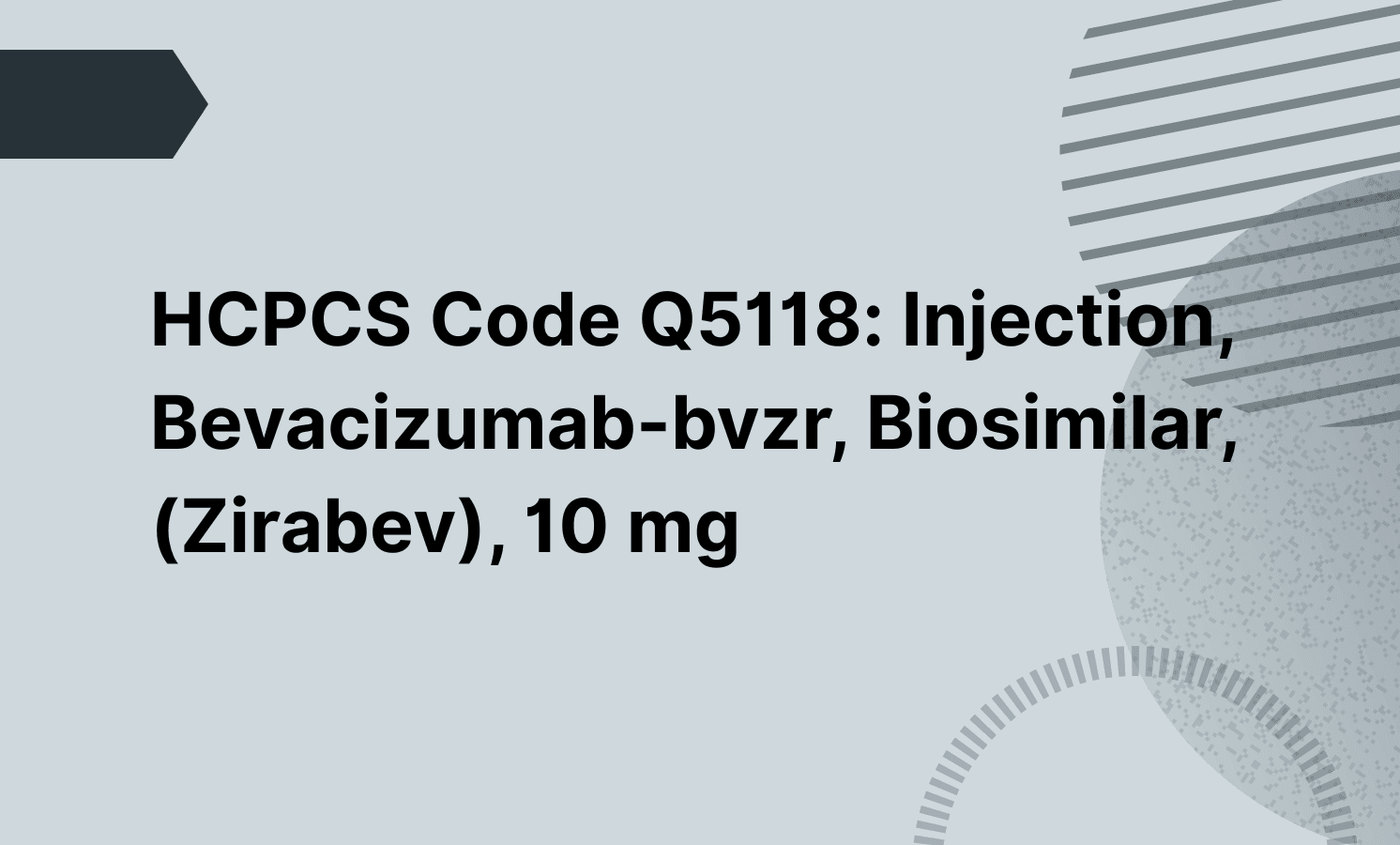
- **Q5118** - Injection, bevacizumab-bvzr, biosimilar, (Zirabev), 10 mg
- **J0565** - Injection, bezlotoxumab, 10 mg
Frequently asked questions
Cancer patients who have cancers that haven't responded well to other medications and therapies.
Usually, oncologists and nurses.
As with any injected medication, there will be pain and discomfort in the injection site. The patient might feel fatigued and nauseous, and it's possible for them to have high blood pressure. Adverse reactions that need immediate attention include allergic reactions, gastrointestinal perforations, bleeding, and blood clots.
EHR and practice management software
Get started for free
*No credit card required
Free
$0/usd
Unlimited clients
Telehealth
1GB of storage
Client portal text
Automated billing and online payments