

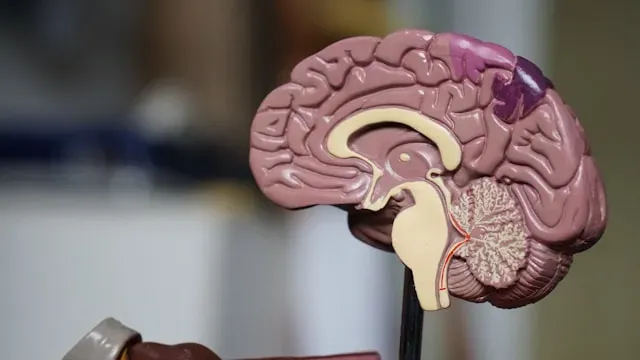

What is transmagnetic stimulation?
Transcranial magnetic stimulation (TMS) is a noninvasive brain stimulation technique that uses a magnetic coil to generate electromagnetic fields, stimulating nerve cells in the brain. It is primarily used as a brain stimulation therapy to treat mental health disorders and neurological conditions by delivering pulses to targeted brain regions. These pulses modulate neural activity, either enhancing or inhibiting communication between neurons, depending on the frequency and intensity of the stimulation.
Unlike vagus nerve stimulation (VNS) or electroconvulsive therapy (ECT), TMS does not require surgery, anesthesia, or the induction of seizures, making it a safer and more tolerable option for many patients. TMS therapy is typically conducted in an outpatient setting, with sessions lasting between 30 and 60 minutes.
TMS generates a magnetic field that induces an electric current in specific brain areas, altering neuronal activity. High-frequency stimulation enhances neural excitability, while low-frequency stimulation can suppress overactive circuits. The treatment coil is often placed against the scalp over the dorsolateral prefrontal cortex (DLPFC) to treat major depressive disorder (MDD) and bipolar disorder. However, other brain regions may be targeted for conditions such as anxiety, chronic pain, and movement disorders.