
The importance of Mastering Essential Counseling Skills
From the first notes of active listening to the crescendo of effective communication, these skills form the backbone of the counseling process and effective counseling conversation. As mental health professionals, mastering these skills is detrimental to learning the language of empathy, a dialect spoken in the heart of every effective counselor.
Some key skills in counseling include critical counseling skills such as various counseling skills:
Active listening
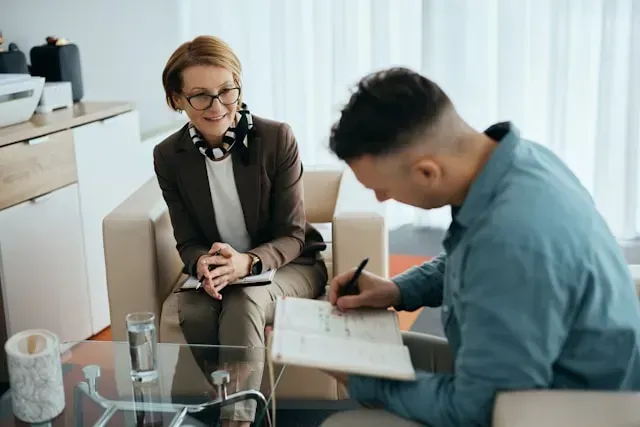
Active listening is more than hearing words—it invites clients to share their stories, explore their feelings, and feel genuinely heard. It involves full engagement with the client, using verbal and nonverbal cues like eye contact, nodding, and reflective responses to show understanding and support.
A counselor skilled in active listening can go beyond the surface and decode the emotions hidden within a client’s words. They reflect these emotions, helping the client gain self-awareness and clarity. This practice allows clients to process their feelings and feel safe expressing themselves without fear of judgment.
Empathy and unconditional positive regard
Empathy is the heart of effective counseling. It allows counselors to step into a client’s world, viewing their experiences through the client’s eyes and understanding their emotions, struggles, and behaviors without imposing personal biases. This connection creates a powerful therapeutic bond that fosters openness and vulnerability.
Alongside empathy, unconditional positive regard reinforces this bond by ensuring that clients feel consistently accepted and respected, regardless of their behaviors or challenges. Counselors demonstrate warmth, genuine interest, and acceptance, which helps clients feel supported and empowered to explore their thoughts and emotions. This nurturing environment is crucial for promoting self-growth, self-acceptance, and positive outcomes.
Effective communication
Communication in counseling is not a one-way street—it’s a dynamic and evolving exchange that bridges the gap between the counselor’s expertise and the client’s personal experience. Effective communication involves conveying empathy, responding to emotional cues, and tailoring messages to meet the client’s needs.
Counselors should possess both verbal and nonverbal communication skills to create meaningful exchanges. Verbal communication involves asking open-ended questions, summarizing key points, and providing reflective feedback, while nonverbal cues like body language, tone, and facial expressions help demonstrate attentiveness and empathy.
By practicing these skills, counselors can create a safe and supportive environment for their clients, facilitating growth and healing for those seeking counseling.