What are the primary chiropractic techniques and procedures?
As a chiropractor, your toolkit goes beyond adjustments and encompasses various modalities to address diverse patient needs. Here's a closer look at the core techniques you might utilize:
1. Spinal adjustments and manipulations
These are the foundation of chiropractic care, involving controlled force and specific movements to realign joints and restore proper function. This approach can alleviate pain, improve range of motion, and reduce inflammation. Different techniques, like Diversified, Gonstead, and Thompson Drop Table, allow you to tailor treatment to each patient's needs.
2. Soft tissue therapy
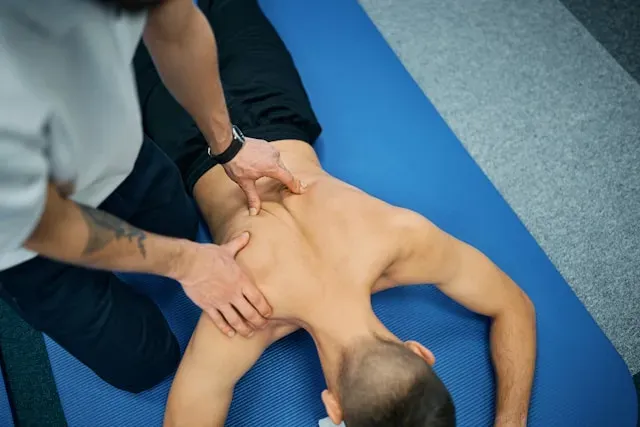
Chiropractic care extends beyond adjustments, incorporating soft tissue techniques like massage, myofascial release, and trigger point therapy. These methods target muscles, fascia, and connective tissues surrounding joints, helping to reduce muscle tension, improve blood flow, and promote healing.
3. Therapeutic exercises
Customized exercises are often prescribed to complement adjustments and promote long-term recovery. These exercises improve strength, flexibility, and range of motion, empowering patients to participate actively in their well-being and maintain a healthy lifestyle.
4. Electrical stimulation
This modality uses electrical currents to target specific areas to reduce pain and muscle spasms, offering an alternative pain management approach.
5. Hot/cold therapy
Applying heat or cold therapy can be beneficial for managing pain and reducing inflammation. Chiropractors may use this modality with other techniques to relieve pain and enhance treatment effectiveness.
6. Traction
This technique involves gentle pulling to decompress the spine and relieve nerve pressure. It can be beneficial for conditions like disc herniation or spinal stenosis.
7. Additional modalities
Some chiropractors may also utilize other techniques like ultrasound therapy, nutritional counseling, and lifestyle modifications to provide a more comprehensive approach to patient care.
Remember, the specific techniques chosen for each patient depend on their unique condition, health goals, and preferences. Your expertise lies in selecting and skillfully applying the most appropriate combination of these modalities to achieve optimal treatment outcomes.