
Parasocial Relationships

Parasocial Relationships

Audrey Liz Perez avatar

By Audrey Liz Perez on Feb 18, 2025.

Fact Checked by Gale Alagos.

Get carepatron free

What is a Parasocial Relationship?

Have you ever felt like you know a celebrity, influencer, or even a fictional character, even though you've never actually met them? That's what a Parasocial Relationship is. It is a one-sided emotional connection that forms between an individual and a media figure, often through repeated exposure on mass communication platforms such as social media, TV shows, online communities, or streaming sites.

Unlike real-life intimate relationships, parasocial interactions occur without direct engagement, as individuals feel emotionally invested in figures who remain unaware of their existence. These relationships can range from admiration of celebrities to deep emotional bonds with fictional characters.

Parasocial Relationships originated in media psychology. The initial parasocial interaction often begins with consistent media consumption, leading individuals to develop Parasocial Relationships over time.

This phenomenon is particularly prevalent among social media users, as social media platforms create a sense of intimacy by providing frequent and personal updates from media personalities.

While these relationships can offer comfort and entertainment, they also raise important questions about their impact on mental health. In some cases, Parasocial Relationships form as a supplement to real-life social connections, while in others, they may replace real-life interactions.


Are Parasocial Relationships healthy?

Parasocial relationships can be healthy, to a point. Think of them like emotional supplements. They can offer comfort, entertainment, and even a sense of belonging, especially when individuals are a part of a community that shares their interests.

But there's a tipping point. When these one-sided relationships become a substitute for real-world interactions, they can start doing more harm than good. That's why tools like the Parasocial Interaction Scale exist to help individuals reflect on whether their attachment is balanced or veering into risky territory.

Types of Parasocial Relationships

David Giles and John Maltby classified Parasocial Relationships into three types: entertainment-social, intense-personal, and borderline-pathological. These types differ based on the level of emotional control and investment a person has in the relationship.

  • Entertainment-social: This is the most common type, where fans engage with media personalities for fun and social connection without emotional over-investment.
  • Intense-personal: Here, fans develop compulsive feelings toward celebrities or characters, often leading to excessive focus on them and difficulty with other relationships.
  • Borderline-pathological: The most extreme and unhealthy form, where emotional attachment becomes uncontrollable, sometimes leading to actions like stalking. (Giles & Maltby, 2006).

Benefits of Parasocial Relationships

Parasocial relationships aren't all bad. When individuals form parasocial relationships, they can also be surprisingly helpful. Especially in the digital age, where media personalities from social media sites feel like constant companions, these connections can offer comfort and even help individuals grow. Here's how:

Social learning and identity development

Media personas often serve as role models, influencing values, behaviors, and aspirations. By observing these figures, individuals, especially younger audiences, can develop a sense of identity and learn important social skills.

Stress reduction and mental well-being

Interacting with media content featuring favourite personalities can be a source of relaxation and stress relief. Whether through humor, storytelling, or inspiration, these relationships contribute to the regulation of positive emotions.

A sense of community and belonging

When people join an online fan group or feel like they've “found their people” through shared admiration of a media figure, they’ve tapped into one of the most positive aspects of parasocial connections: community.

Risks of Parasocial Relationships

Just like with anything emotional, there’s a flip side. Parasocial Relationships can go too far, and when they do, the consequences can be devastating.

One extreme example is the tragic case of a young Japanese popstar, Ena Matsuoka, who was stalked and assaulted by a former fan. Reports revealed that the fan felt scammed and emotionally manipulated by the streamer after years of perceived personal connection (Jensen, 2019).

It’s a heartbreaking reminder of how intense parasocial attachments can spiral into dangerous territory. Here are some of the common risks to watch out for:

Disrupted interpersonal relationships

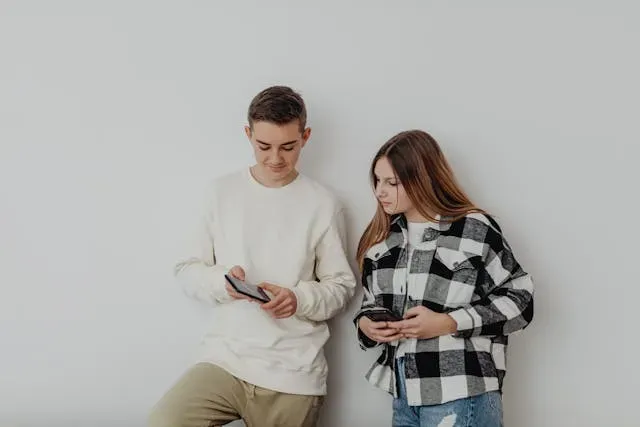
If individuals are spending more time thinking about or engaging with social media personalities than with direct interaction, such as talking to their close friends or family, that's a red flag. These connections should never replace genuine, real-life bonds.

Unrealistic expectations and emotional distress

It is easy to start believing that one has shared a special bond with their favorite creator, but when their expectations aren't met, or the media figure changes their content, goes silent, or acts out, it can feel like a breakup. The emotional fallout can be real and painful.

Weakened social networks

When parasocial ties take over, they can quietly replace meaningful in-person connections. That can lead to a strong sense of isolation, loneliness, mental illness, and a shrinking support system.

Helping clients navigate Parasocial Relationships

For medical practitioners, like a clinical psychologist who is working with clients who seem deeply attached to social media personalities, there's no need to sound the alarm, at least not right away. These relationships can be meaningful and even motivating. But when they become all-consuming, it’s time to step in and help clients regain balance.

Encourage awareness and self-reflection

Invite clients to reflect on how much emotional weight they place on these connections. Just helping them name and explore these relationships can go a long way.

Promote healthy social interactions

Gently remind clients that while online fandoms are fun, nothing replaces face-to-face connection. Encourage them to spend quality time with friends, family, or support groups.

Set boundaries with media consumption

Suggest simple limits, like turning off notifications or scheduling screen-free hours. Even small breaks can help create space for healthier habits.

Address emotional distress from parasocial breakups

Validate their feelings when a favorite content creator disappoints or disappears. These losses hurt, and it’s okay to grieve. Help clients develop coping skills to handle that emotional fallout.

Use Parasocial Relationships as a tool for growth

When used mindfully, these relationships can be a springboard for growth. Encourage clients to harness their admiration as inspiration for personal goals—whether that’s learning new skills, joining a hobby group, or making healthier choices.

Key takeaways

Parasocial Relationships can offer comfort, community, a positive impact on social relationships, and even personal growth—but only if kept in check. When they start to replace real-life relationships, they can lead to emotional distress, unrealistic expectations, and isolation.

Helping clients recognize and reflect on their parasocial ties can make a huge difference. By promoting awareness, setting boundaries, and fostering real-world connections, these relationships can be reframed as supportive, rather than disruptive, aspects of life.

Reference

Giles, D., & Maltby, J. (2006, February 18). Praying at the altar of the stars. The British Psychological Society. https://www.bps.org.uk/psychologist/praying-altar-stars

Jensen, K. T. (2019, October 10). Stalker finds Japanese idol's home from reflections in her pupils. Newsweek. https://www.newsweek.com/stalker-finds-idol-reflection-pupils-1464373