Polio treatment
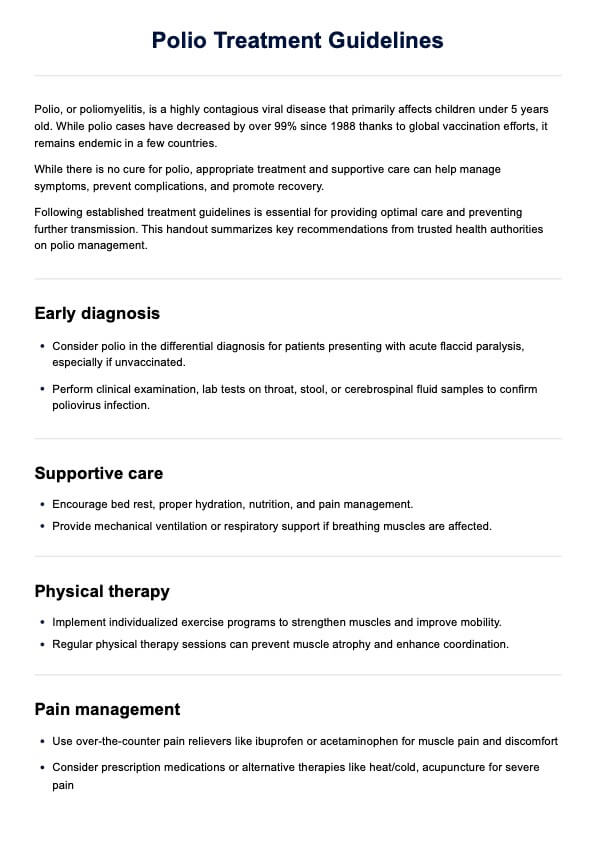
While there is no cure for polio, various treatments can help manage symptoms, improve quality of life, and promote recovery. Below are key components of polio treatment that can aid patients on their journey to regaining strength and function:
Physical therapy
Physical therapy plays a crucial role in the rehabilitation process for polio survivors. Specialized therapists assess each patient’s needs and develop individualized exercise programs tailored to strengthen muscles and improve mobility.
These programs often combine stretching, strengthening exercises, and functional training to help patients regain strength and enhance their overall physical capabilities. Regular physical therapy sessions can also help prevent muscle atrophy and improve balance and coordination.
Pain management
Managing pain is an essential aspect of polio treatment, especially for those experiencing discomfort from muscle weakness or spasms. Over-the-counter pain relievers, such as ibuprofen or acetaminophen, can relieve pain and discomfort.
In more severe cases, healthcare providers may prescribe stronger medications or recommend alternative therapies, such as heat or cold therapy, acupuncture, or relaxation techniques to help alleviate symptoms.
Braces and orthotics
For individuals experiencing weakness in their limbs, braces or orthotic devices can offer crucial support. These devices help stabilize weak joints, improve mobility, and enhance overall functionality.
Orthotic interventions may include ankle-foot orthoses (AFOs), knee braces, or custom-made shoes designed to fit the individual’s specific needs, allowing for greater independence in daily activities.
Respiratory support
In more severe cases of polio, where the muscles responsible for breathing are affected, respiratory support becomes critical. This may involve mechanical ventilation to assist with breathing or non-invasive options like bilevel-positive airway pressure (BiPAP) machines. Ongoing monitoring and support from healthcare professionals are essential to ensure patients receive the necessary care to maintain adequate respiratory function.
Polio vaccine
Polio vaccination remains the best prevention strategy. Inactivated poliovirus vaccine (IPV) and oral poliovirus vaccine (OPV) are highly effective in stimulating the immune system to fight the virus. Widespread vaccination efforts have significantly reduced the incidence of polio, making it crucial for children and at-risk populations to receive polio vaccines for effective disease control. Recognizing the symptoms of polio and understanding how polio spreads is essential for prevention efforts.
While polio can have lasting effects, a comprehensive treatment approach that includes physical therapy, pain management, supportive devices, respiratory care, and inactivated polio vaccine can significantly improve the quality of life for those affected.