



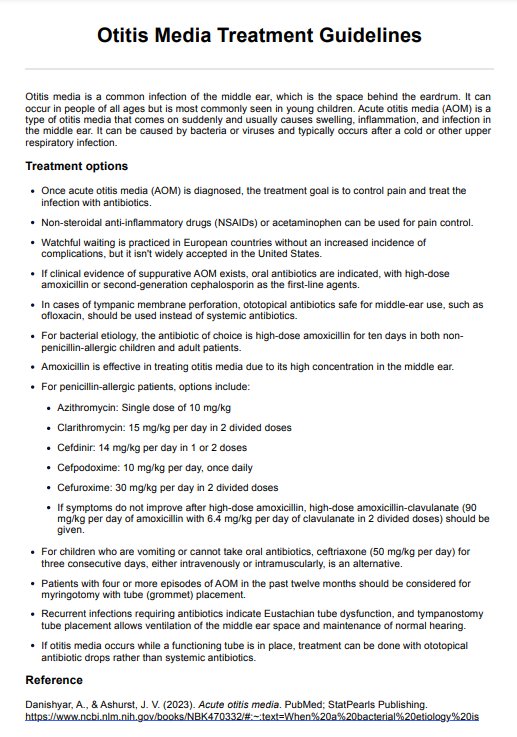




What is otitis media?
Otitis media refers to inflammation or infection of the middle ear. It is a common condition that predominantly affects children but can also occur in adults. The inflammation typically results from a bacterial or viral infection that causes fluid to build up behind the eardrum, leading to discomfort and potential hearing issues. Knowing what otitis media is and how to manage it is crucial for healthcare professionals, ENT specialists, and pediatricians to provide effective treatment.
Otitis media symptoms
The symptoms of otitis media can vary based on the type and severity of the infection. Common symptoms of this ear infection include:
- Ear pain, often severe
- A feeling of fullness in the ear
- Hearing difficulties
- Fluid drainage from the ear
- Fever
- Irritability and restlessness in children
- Loss of appetite
- Trouble sleeping
Causes of otitis media
Several factors can lead to the development of otitis media, including:
- Bacterial or viral infections: Infections in the respiratory tract can spread to the middle ear.
- Allergies: Allergic reactions can cause swelling and fluid buildup in the middle ear.
- Eustachian tube dysfunction: Blockage or dysfunction of the Eustachian tube can lead to fluid retention in the middle ear.
- Environmental factors: Exposure to smoke or pollution can increase the risk of infections.
- Anatomical factors: Children have shorter and more horizontal Eustachian tubes, causing frequent ear infections.









