Diagnosing osteoarthritis
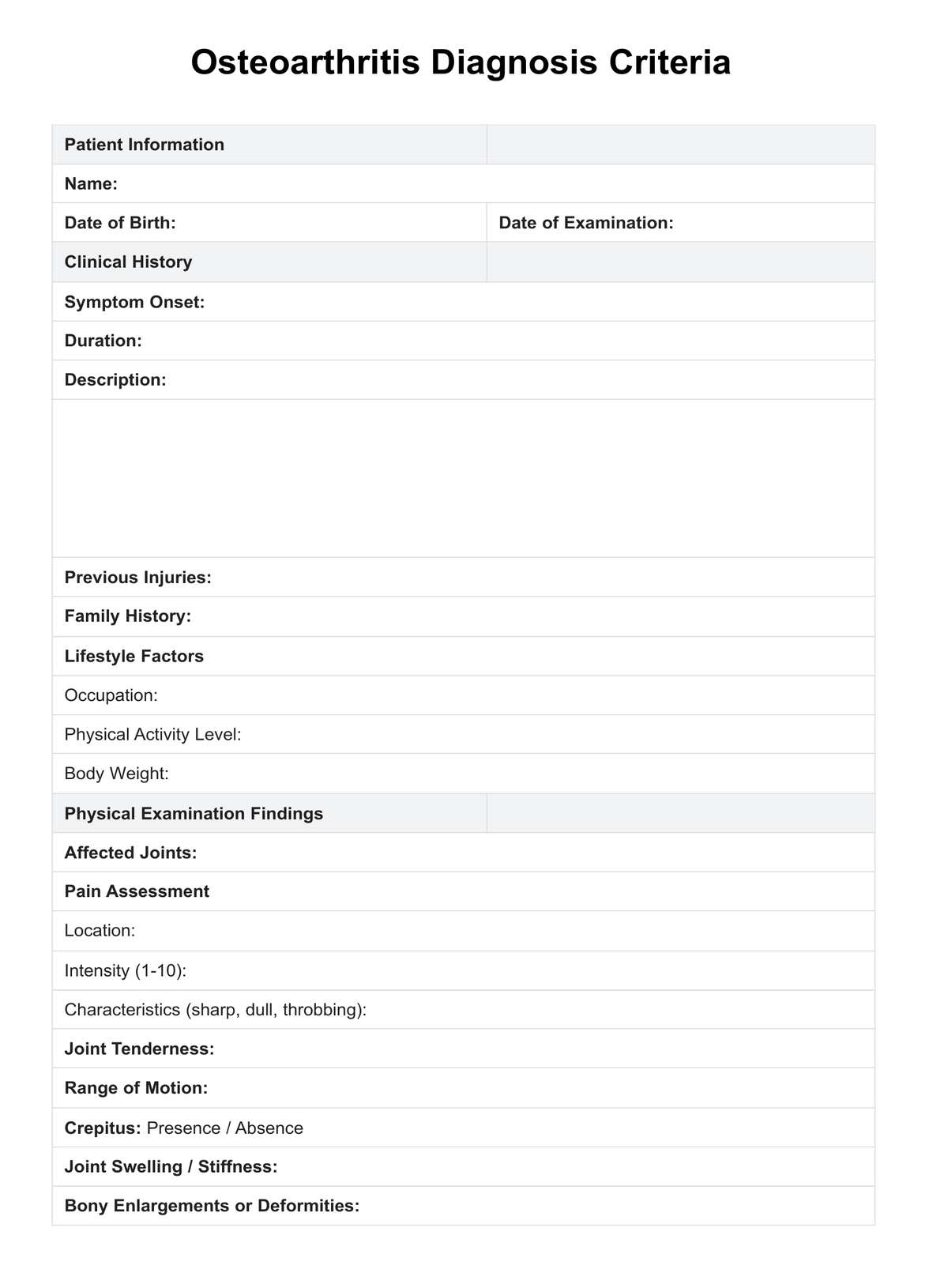
Diagnosing osteoarthritis requires a comprehensive approach incorporating a detailed patient history, physical examination, and diagnostic imaging. The American College of Rheumatology (ACR) provides specific guidelines that are pivotal for accurately diagnosing osteoarthritis, distinguishing it from other forms of arthritis, such as rheumatoid arthritis. These guidelines emphasize the identification of key symptoms such as persistent joint pain, stiffness, particularly in the morning or after rest, and a decrease in joint flexibility.
According to the ACR criteria (2016), the diagnosis of OA does not rely solely on imaging tests but also considers clinical findings (Runhaar et al., 2020). For instance, the pain in the knee and at least three of the six specified clinical criteria (age over 50 years, stiffness lasting less than 30 minutes, crepitus, tenderness, bony enlargement, and no palpable warmth) can confirm knee OA without further imaging. X-rays and MRI scans are invaluable for visualizing osteoarthritis-characteristic changes, including joint space narrowing, osteophytes (bone spurs), and subchondral sclerosis.
Evaluating risk factors, such as obesity, age, and history of joint injury, further supports the diagnostic process by providing context to the physical and imaging findings. These factors not only contribute to the development of OA but also help in tailoring the management strategy for the individual.
Management of OA, guided by the ACR guidelines, involves a multifaceted approach that prioritizes non-pharmacological interventions like physical therapy and lifestyle modifications to improve joint function and alleviate pain. Pharmacological treatments, including Non-Steroidal Anti-Inflammatory Drugs (NSAIDs), are recommended for managing symptoms, especially in patients who do not respond to initial lifestyle interventions.
The ACR guidelines play a crucial role in the diagnosis and management of osteoarthritis by ensuring a standardized approach that improves the accuracy of diagnosis, aids in the differentiation from other types of arthritis, and informs evidence-based treatment plans to enhance the quality of life for individuals with OA.