





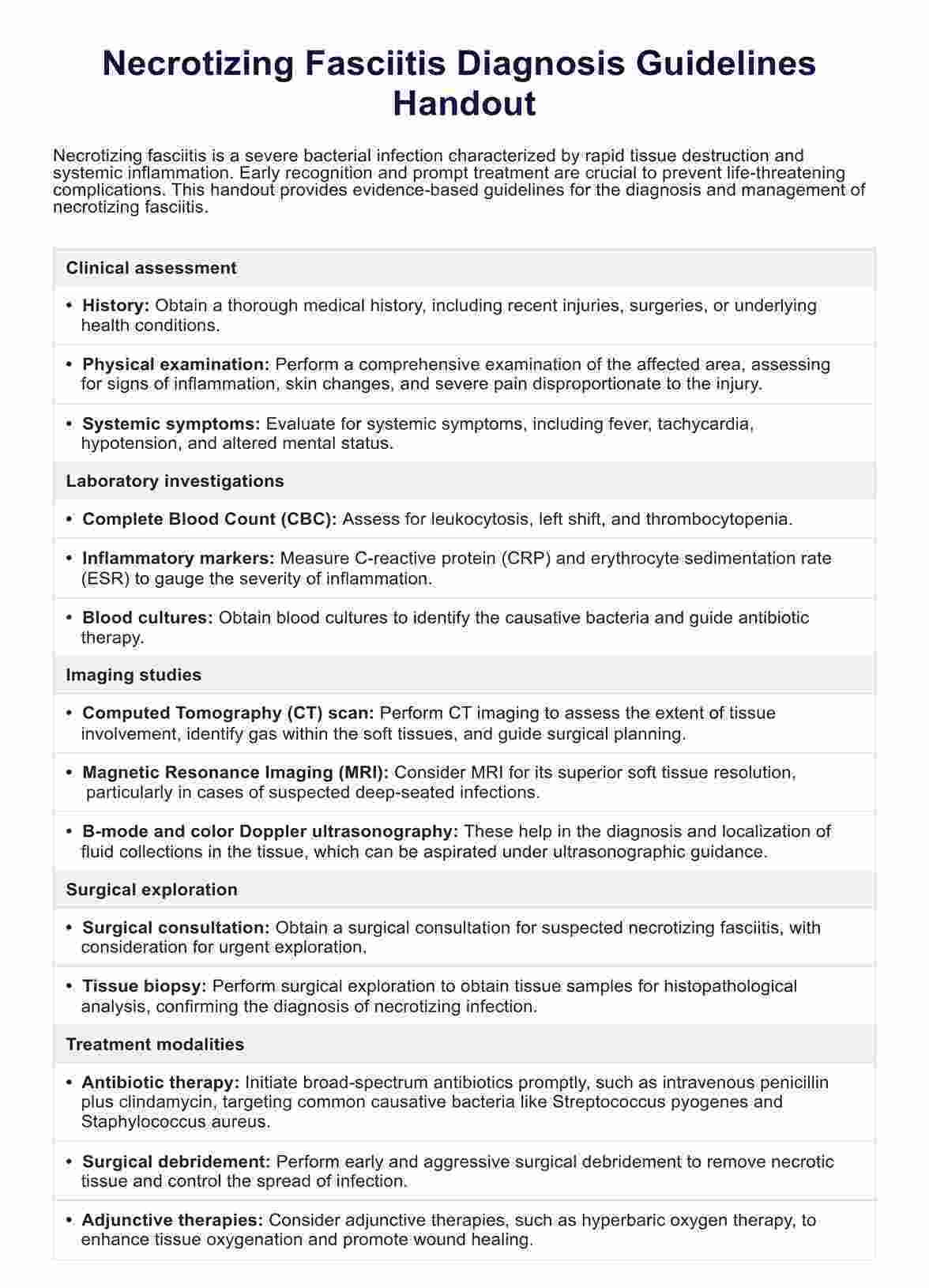




What is necrotizing fasciitis?
Necrotizing fasciitis, often referred to as a "flesh-eating" disease, is a severe and rapidly progressing bacterial infection that targets the body's soft tissues. This necrotizing soft tissue infection spreads swiftly, causing widespread tissue damage and, if left untreated, can lead to life-threatening complications.
The infection typically starts in the deeper layers of the skin, such as the fascia, subcutaneous tissue, and muscle, and can quickly spread along the fascial planes. It is primarily caused by certain strains of bacteria, most commonly Streptococcus pyogenes (group A streptococcus) and Staphylococcus aureus. However, other bacteria can also contribute to its development.
Necrotizing Fasciitis presents with severe pain, swelling, redness, and fever at the infected site. As the infection progresses, the affected skin may become discolored and develop blisters filled with fluid. Without prompt medical intervention, necrotizing fasciitis can rapidly lead to tissue death and systemic infection.
Treatment typically involves aggressive antibiotic therapy, surgical debridement to remove infected tissue, and in some cases, hyperbaric oxygen therapy to promote tissue healing. Despite advances in medical care, necrotizing fasciitis remains a medical emergency, and prompt diagnosis and treatment are essential to improve outcomes and reduce the risk of mortality associated with this severe necrotizing infection.
Causes of Necrotizing Fasciitis
Necrotizing Fasciitis can develop due to various factors, primarily bacterial infections that invade the body's soft tissues. Below are the main causes:
- Bacterial infections, including Streptococcus pyogenes (group A streptococcus) and Staphylococcus aureus.
- Bacteria enter through breaks in the skin, such as cuts, wounds, surgical incisions, or insect bites.
- Complications from other infections, such as cellulitis or surgical site infections.
- A weakened immune system can increase susceptibility to bacterial infections.
- Certain underlying health conditions, such as diabetes, obesity, or peripheral vascular disease, compromise blood flow and tissue healing.
- Intravenous drug use, which can introduce bacteria directly into the bloodstream, increasing the risk of soft tissue infections.
These factors can contribute to the development of necrotizing fasciitis, leading to rapid tissue destruction and potentially life-threatening complications if not promptly treated.
Symptoms of Necrotizing Fasciitis
Necrotizing Fasciitis manifests with distinct symptoms that indicate the severity and rapid progression of the infection. Recognizing these symptoms is crucial for prompt medical intervention. Common symptoms include:
- Severe pain at the site of infection, often disproportionate to the visible wound or injury.
- Swelling, redness, and warmth around the affected area.
- Fever and chills, indicating systemic infection.
- Rapid progression of symptoms within hours, including skin discoloration, blistering, or necrosis (tissue death).
- Presence of gas bubbles under the skin, known as crepitus.
- Malaise and fatigue, accompanying systemic inflammation and infection.
These symptoms may vary depending on the location and extent of the infection. However, the rapid onset and severe nature of symptoms are characteristic of necrotizing fasciitis and necessitate immediate medical attention for diagnosis and treatment.
Treatment for Necrotizing Fasciitis
Prompt and aggressive treatment is essential to manage necrotizing fasciitis effectively and prevent serious complications. Treatment typically involves a combination of medical interventions aimed at controlling the infection, removing necrotic tissue, and supporting tissue healing. Below are the key components of treatment:
- Antibiotic therapy: Administering broad-spectrum antibiotics intravenously to target the causative bacteria and prevent further spread of infection.
- Surgical debridement: Surgically removing necrotic tissue and infected material to halt the progression of the infection and promote wound healing.
- Hyperbaric oxygen therapy: Some cases may benefit from hyperbaric oxygen therapy, which involves breathing pure oxygen in a pressurized chamber to enhance tissue oxygenation and promote healing.
- Supportive care: Providing supportive care to manage pain, fever, and other symptoms associated with the infection. This may include intravenous fluids, pain medications, and monitoring for complications.
- Wound care: Proper wound care and dressing changes to keep the affected area clean, prevent secondary infections, and promote healing.
- Monitoring and follow-up: Close monitoring of the patient's condition, including vital signs, laboratory tests, and imaging studies, to assess treatment response and detect any complications early.
Treatment for necrotizing fasciitis often requires collaboration among various healthcare professionals, including infectious disease specialists, surgeons, and wound care specialists.









