





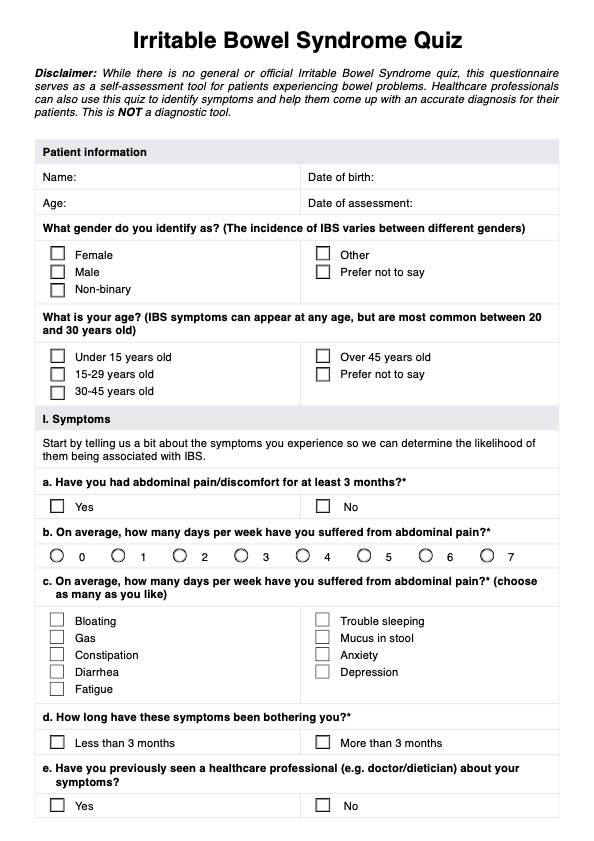




What is irritable bowel syndrome (IBS)?
Irritable bowel syndrome (IBS) is a chronic functional gastrointestinal disorder that significantly impacts digestive health (Patel & Shackelford, 2022). It is primarily characterized by recurring abdominal pain associated with changes in bowel habits, including diarrhea, constipation, or both. Unlike inflammatory bowel disease, IBS does not cause visible inflammation or damage in the digestive tract, making it a condition diagnosed based on symptom patterns and exclusion of other disorders.
Healthcare providers often rely on established diagnostic criteria and clinical judgment to diagnose IBS. Because symptoms can vary widely between individuals, recognizing unique symptoms is essential for forming a definitive diagnosis and personalized treatment plan.
Causes of IBS
The exact cause of irritable bowel syndrome (IBS) remains unclear, but current research suggests it results from a complex interplay of biological and environmental factors (Healthdirect Australia, 2018). One leading theory involves abnormalities in gut motility, where irregular intestinal contractions lead to diarrhea or constipation. Another factor is heightened nerve sensitivity in the gut, causing disproportionate pain from normal digestive activity.
The brain-gut axis also plays a role, with stress and anxiety affecting communication between the brain and digestive system, often worsening symptoms. Infections, such as gastroenteritis, and changes in gut microbiota are also known contributors. Psychological factors, including early-life trauma, depression, and chronic stress, are strongly linked to IBS onset and severity.
Additionally, dietary triggers—like caffeine, fatty foods, and dairy products—can provoke symptoms in sensitive individuals. Understanding these multifactorial causes is vital for any healthcare professional aiming to diagnose IBS and guide effective treatment tailored to each patient’s experience.
Symptoms of IBS
Symptoms of irritable bowel syndrome IBS can vary from person to person but typically center around persistent abdominal pain or cramping linked to bowel movements (Healthdirect Australia, 2018). Patients may report relief after passing stool or notice a worsening of discomfort when constipated or during episodes of diarrhea. These shifts in bowel habits are hallmark indicators and may fluctuate over time. Additional symptoms often include bloating, excessive gas, and a sensation of incomplete evacuation.
Some individuals experience mucus in their stool or have an urgency to use the bathroom, especially after eating. Fatigue, sleep disturbances, anxiety, and depression are also common, underscoring the systemic and emotional impact of IBS. Since these symptoms overlap with other digestive disorders, healthcare providers must use a thorough medical diagnosis process—including Rome IV diagnostic criteria and ruling out inflammatory bowel disease (The Rome Foundation, 2021)—to achieve a definitive diagnosis. Recognizing these unique symptoms allows clinicians to accurately assess the severity and tailor care for long-term symptom management.
IBS treatment options
Treating irritable bowel syndrome IBS involves a personalized approach focused on managing symptoms and improving overall quality of life. One of the primary strategies includes dietary changes, such as adopting a low FODMAP diet, increasing fiber intake, or eliminating trigger foods like dairy products and carbonated drinks (NHS Choices, 2019).
Patients often benefit from working with a healthcare professional or dietitian to identify specific food-related triggers. Lifestyle interventions—such as regular exercise, adequate sleep, and stress reduction through cognitive behavioral therapy—can also play a significant role.
When symptoms are persistent, prescription medication may be necessary. This can include antispasmodics to relieve abdominal pain, laxatives for constipation, or antidiarrheal drugs. Some patients respond well to antidepressants or gut-specific antibiotics like rifaximin. Probiotics and supplements are additional options to support digestive health. Because IBS symptoms are chronic and can vary in intensity, a collaborative and flexible treatment plan is essential for long-term relief and improved patient outcomes.









