









What is Exposure Therapy?
Exposure therapy is a highly effective psychological treatment that helps individuals confront and overcome their fears, anxieties, and traumas. It is rooted in the principles of behavioral psychology and is commonly used to treat anxiety disorders, phobias, and post-traumatic stress disorder (PTSD).
Exposure therapy systematically exposes the person to the feared stimulus or situation in a safe and controlled environment. By repeatedly facing these distressing triggers, individuals can gradually learn to manage their emotional responses and reduce anxiety.
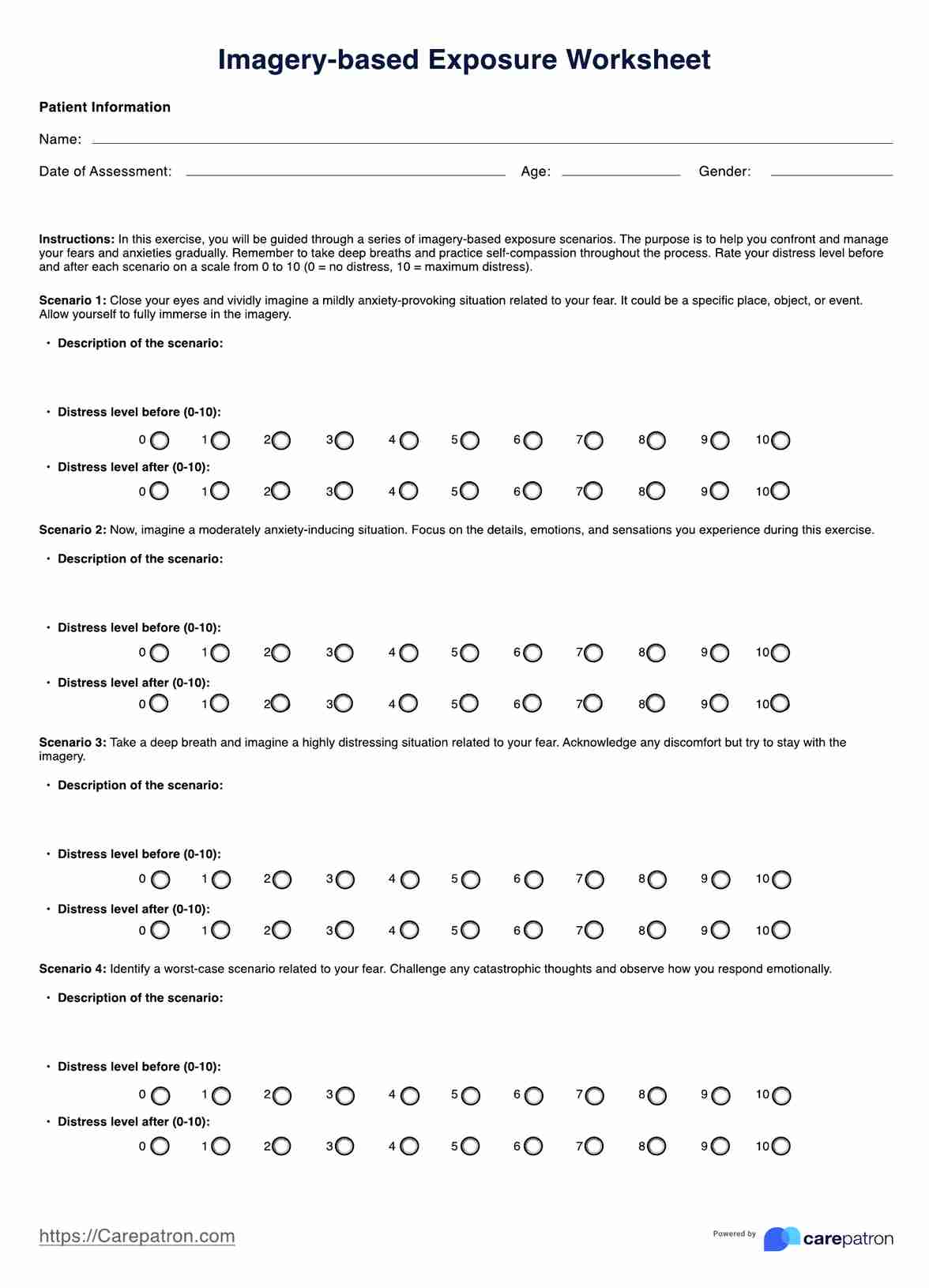
This typically involves collaboration between the therapist and the client. First, the therapist works closely with the client to identify specific fears or triggers causing distress. Then, they create a hierarchy of exposure, ranking situations from least to most anxiety-provoking.
The therapist guides the client through a series of exposures, starting with the least anxiety-inducing scenario. As the person becomes more comfortable and their anxiety diminishes, they progress to more challenging situations. This step-by-step approach, known as systematic desensitization, allows for gradual acclimatization to the feared stimuli, making the process more tolerable and effective.
Through repeated exposures, individuals often experience habituation, where their anxiety response decreases over time. They also learn that their fears are largely unfounded, challenging negative thought patterns associated with the phobia or trauma.
Exposure therapy empowers individuals to develop coping strategies, build resilience, and regain control over their lives. It fosters long-lasting behavioral changes, improving daily functioning and overall well-being. While exposure therapy can be challenging, the outcomes can be life-changing, allowing individuals to break free from their grip of fear and anxiety. As with any therapy, the process is tailored to each individual's needs, ensuring a personalized treatment experience.









