


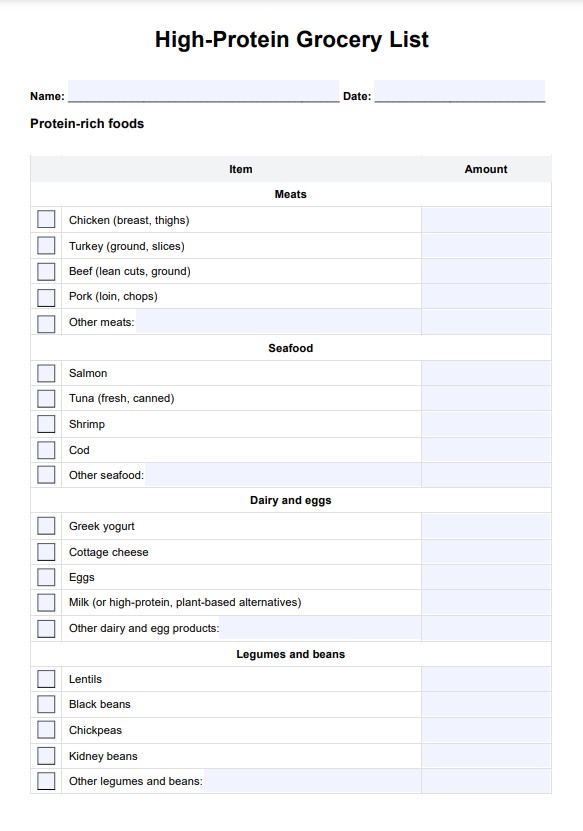




An introduction to high protein diets
As a nutritionist, dietitian, or food specialist, understanding the intricacies of high-protein diets is crucial for effectively guiding your clients and patients. A high-protein diet emphasizes consuming protein-rich foods while often reducing the intake of carbohydrates and fats. This dietary approach is popular among athletes, bodybuilders, and individuals aiming to lose weight or improve body composition due to its potential to enhance muscle growth, promote satiety, and support overall health.
High-protein diets are frequently adopted to increase muscle mass, reduce body fat, or manage conditions like diabetes. By advising patients on how much protein they should consume—measured in grams of protein—you can aid in muscle repair and growth, particularly for those engaging in regular physical activity.
However, it is important to discuss potential risks with your clients. Overconsumption of protein, especially from animal sources, might increase the risk of heart disease and kidney strain and exacerbate existing kidney issues. Additionally, diets high in protein but low in carbohydrates can increase saturated fat intake, which may cause nutritional deficiencies or insufficient fiber intake, negatively affecting digestive health.
Encourage your clients to balance their high-protein diet with adequate fruits, vegetables, and whole grains to ensure they receive a well-rounded nutrient intake. Consider recommending a consultation with a healthcare professional, especially for clients with pre-existing health conditions, before starting a high-protein diet.









