







What causes hair loss?
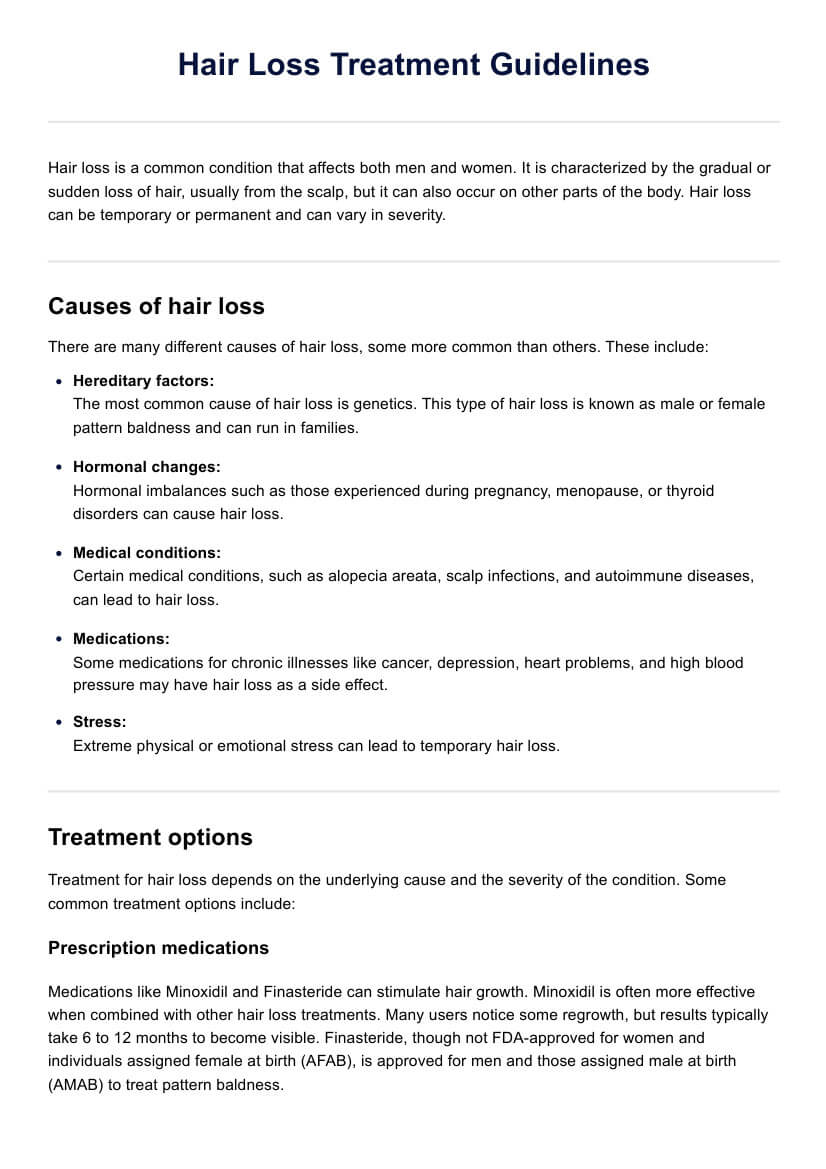
Hair loss, medically known as alopecia, can result from various factors affecting the hair growth cycle. The most common type is male pattern hair loss and female pattern hair loss, influenced by genetics and hormonal changes. These conditions typically lead to thinning hair and eventual hair loss in predictable patterns.
Hair growth relies on hair follicles, tiny structures in the skin that produce hair. Disruption in this cycle can occur due to hereditary hair loss, where genes inherited from either parent influence susceptibility. Other causes include stress, nutritional deficiencies, and medical treatments like chemotherapy.
In some cases, hair transplant procedures are used to treat hair loss by moving hair follicles from dense areas to thinning ones, promoting new hair growth. Therapeutic approaches aim to regrow hair or stimulate hair growth through medications and topical treatments. Identifying the types of hair loss is crucial for effective treatment, as early intervention can prevent further hair loss.
Understanding the mechanisms behind hair loss helps tailor treatments to encourage hair regrowth and manage thinning hair effectively.
How do dermatologists assess the causes of hair loss?
Dermatologists employ various methods to diagnose hair loss and identify its underlying causes. The initial assessment typically involves a detailed medical history and examination of the scalp and hair follicles. This helps determine if the hair loss pattern aligns with female pattern hair loss or other conditions.
Diagnostic tools such as scalp irritation assessment, blood tests to check for nutritional deficiencies or hormonal imbalances, and scalp biopsy may be utilized for accurate diagnosis. Dermatologists may also evaluate the effectiveness of previous hair transplant procedures or treatments for hair loss.









