


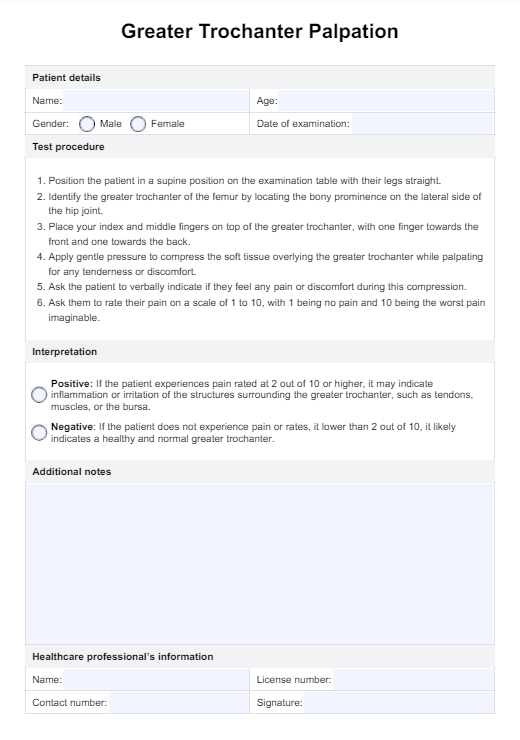




What is gluteal tendinopathy?
Gluteal tendinopathy is a condition in which the tendons of the gluteal muscles, specifically the gluteus medius and gluteus minimus, become irritated or inflamed. These muscles are essential for stabilizing the hip and pelvis, particularly walking, running, and standing.
This condition is closely associated with Greater Trochanter Pain Syndrome (GTPS), characterized by pain on the outer side of the hip. Understanding gluteal tendinopathy is crucial for accurate diagnosis and effective management to alleviate discomfort and improve function.
Symptoms of this type of tendinopathy
Gluteal tendinopathy, often associated with Greater Trochanteric Pain Syndrome (GTPS), manifests as persistent lateral hip pain. This condition predominantly affects the hip joint and can extend down the lateral aspect of the thigh. Patients frequently describe a deep aching pain that worsens with prolonged sitting, excessive hip adduction, or lying on the affected side - all of these are referred to as prolonged sitting pain.
Other common symptoms include pain during physical activities such as walking, climbing stairs, or standing up from a seated position. Individuals may also experience knee pain or leg length discrepancy in some cases, further complicating the condition.
Causes of this tendinopathy
The development of gluteal tendinopathy is multifactorial. The primary causes are repetitive stress or overuse of the hip abductor muscles, particularly the gluteus medius and minimus. Activities that involve excessive hip adduction, such as running or cycling, can worsen the condition.
Additionally, biomechanical issues like leg length discrepancy can lead to uneven stress on the hip abductors, contributing to the development of tendinopathy. Hip osteoarthritis and other degenerative conditions can also increase the risk, as can prolonged sitting, which places constant pressure on the lateral hip region.
Potential problems this may cause
If left untreated, gluteal tendinopathy can lead to significant functional impairments and chronic pain. The condition can severely limit mobility, challenging routine activities like walking, bending, or climbing stairs. Persistent pain can also lead to secondary issues such as sleep disturbances and mood disorders, including anxiety and depression.
In severe cases, the inflammation and degeneration of the tendons can cause partial or complete tendon tears, necessitating surgical intervention. Additionally, the altered gait pattern to avoid pain can result in compensatory issues in other joints, such as the knees and lower back.









