









What is a closed head injury?
A closed head injury is a type of traumatic brain injury (TBI) that occurs when an external force impacts the head without breaking the skull. This non-penetrating injury can result from falls, motor vehicle accidents, or physical assaults. Despite the skull remaining intact, closed head injuries can lead to significant brain damage and serious complications. Closed head injuries encompass several distinct categories, each with unique characteristics and implications for treatment:
- Concussion: This is a mild form of traumatic brain injury that often presents as a temporary loss of normal brain function. Individuals may experience confusion, disorientation, or even a brief loss of consciousness. Symptoms can also include headaches, dizziness, and difficulty concentrating, and while many recover fully, monitoring is crucial as repeated concussions can lead to more severe long-term effects.
- Contusion: A contusion refers to bruising of brain tissue caused by a direct impact on the head. This injury can lead to localized bleeding and swelling in the brain, potentially resulting in neurological deficits depending on the severity and location of the bruise. Recovery can vary, and medical evaluation is important to assess the extent of the injury.
- Diffuse axonal injury: This type of injury occurs when the brain undergoes rapid acceleration or deceleration, such as in car accidents or violent shaking. The rapid movement can cause widespread damage to the brain's white matter, disrupting the communication between different brain regions. Symptoms may be severe and include prolonged unconsciousness or a coma, highlighting the need for immediate medical intervention.
- Intracranial hematomas: These are serious conditions characterized by the accumulation of blood within the skull, which can create pressure on the brain. Intracranial hematomas can manifest in several forms, such as epidural hematomas (above the dura mater) and subdural hematomas (beneath the dura mater). Each type requires prompt diagnosis and treatment, often involving surgical intervention to relieve pressure and prevent further brain damage.
Understanding these categories of closed-head injuries is critical for recognizing symptoms and seeking timely medical care.
What problems can this injury cause?
Closed head injuries can cause a multitude of issues - from physical symptoms like headaches and dizziness to cognitive impairments that require health providers to assess cognition regularly. These injuries can lead to severe nervous and mental disease, necessitating comprehensive head trauma rehabilitation.
How is amnesia related to closed-head injuries?
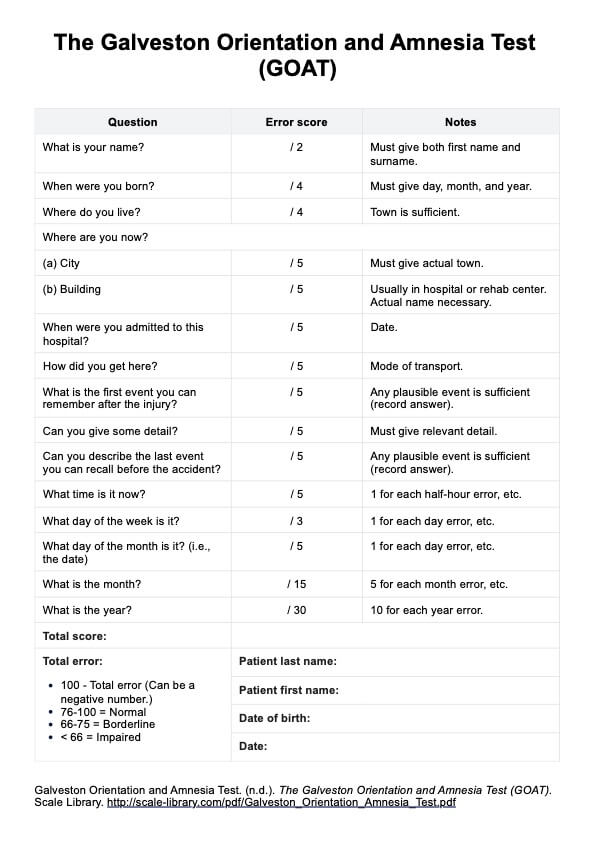
Posttraumatic amnesia (PTA), a common consequence of closed-head injuries, involves memory loss that affects memories and the ability to form new ones. Types of amnesia include:
- Anterograde amnesia: Inability to form new memories post-injury.
- Retrograde amnesia: Loss of memories preceding the injury.
- Combined amnesia: Presence of both anterograde and retrograde amnesia.
Damage to brain regions such as the hippocampus, amygdala, and prefrontal cortex disrupts memory formation and recall processes. The duration of PTA varies based on injury severity and may last from a few minutes to several weeks or months. Longer durations often indicate more severe injuries.









