


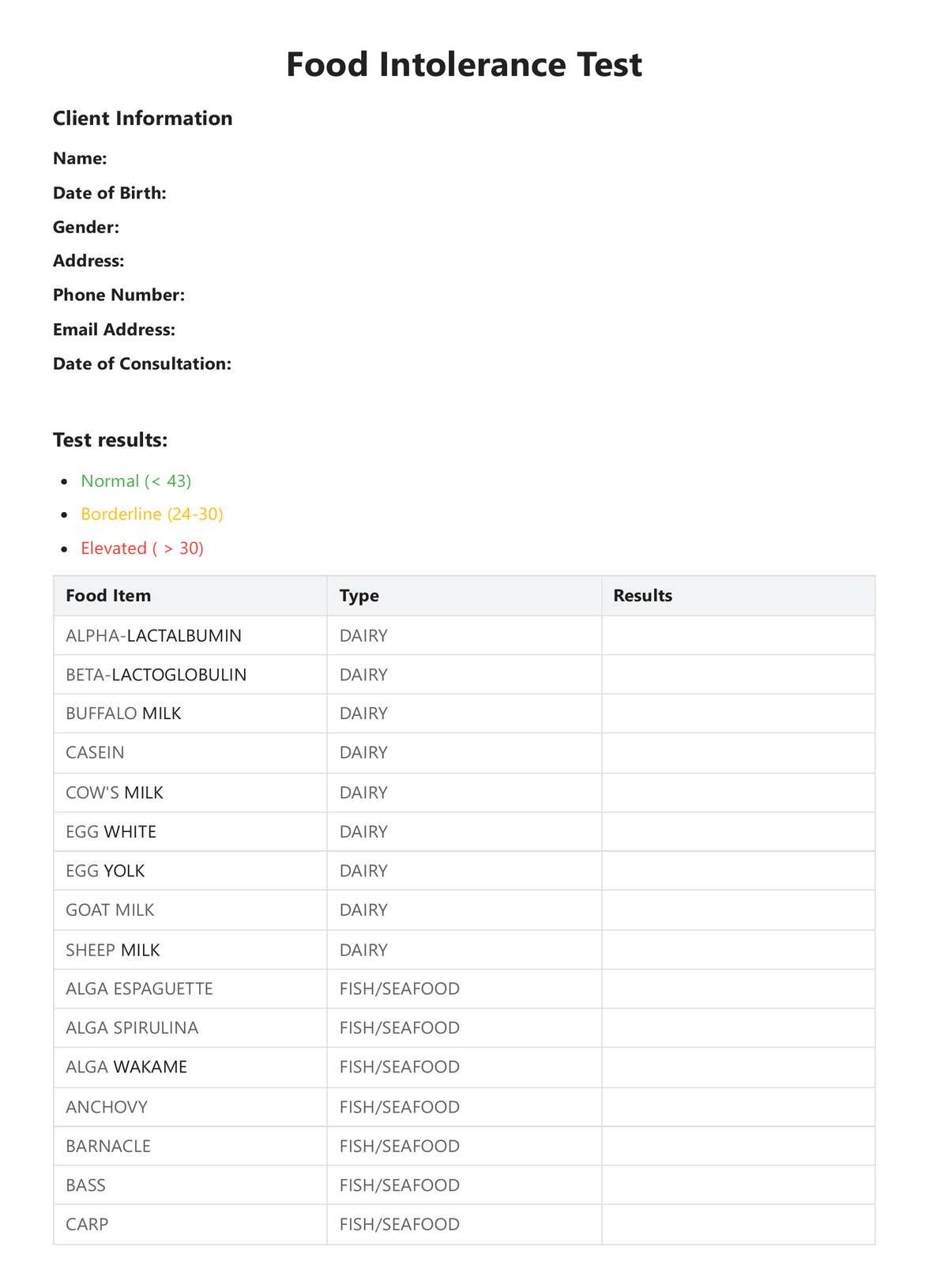




What is a Food Intolerance Test?
A diagnostic method for detecting probable food sensitivities or intolerances in people is called the This test seeks to identify specific foods or dietary ingredients that cause unfavorable bodily responses. Food intolerances are defined by difficulty digesting particular meals or responses to specific food components, in contrast to food allergies, which include an immunological response.
The test usually involves examining a sample of saliva, hair, or blood to check the presence of immunological markers, antibodies, or other signs of food intolerance. Alternatively, certain tests may depend on testing specific chemicals, such as histamine or lactose, to determine tolerance levels. After the sample has been taken, it is transported to a lab for analysis. The results are then sent to the patient or their healthcare practitioner.
Food intolerance tests examine a wide range of potential triggers, including common allergenic foods like milk, eggs, wheat, nuts and other components such as gluten, lactose, or food additives. Some tests may target a specific food group, while others offer comprehensive panels that assess multiple foods simultaneously.
A food intolerance test's main goal is to assist people in identifying foods or components that contribute to adverse reactions in their bodies. People may make educated food decisions and reduce or control their symptoms by identifying these triggers. This might involve an elimination diet, in which probable trigger items are momentarily excluded from the diet, followed by a reintroduction phase to verify the responses.
However, it's important to note that food intolerance tests have limitations. Some tests' scientific validity and reliability have been questioned, as their accuracy can vary, and false positives or negatives may occur. Therefore, it is crucial to interpret the results with caution and in conjunction with clinical evaluation and guidance from a healthcare professional.









