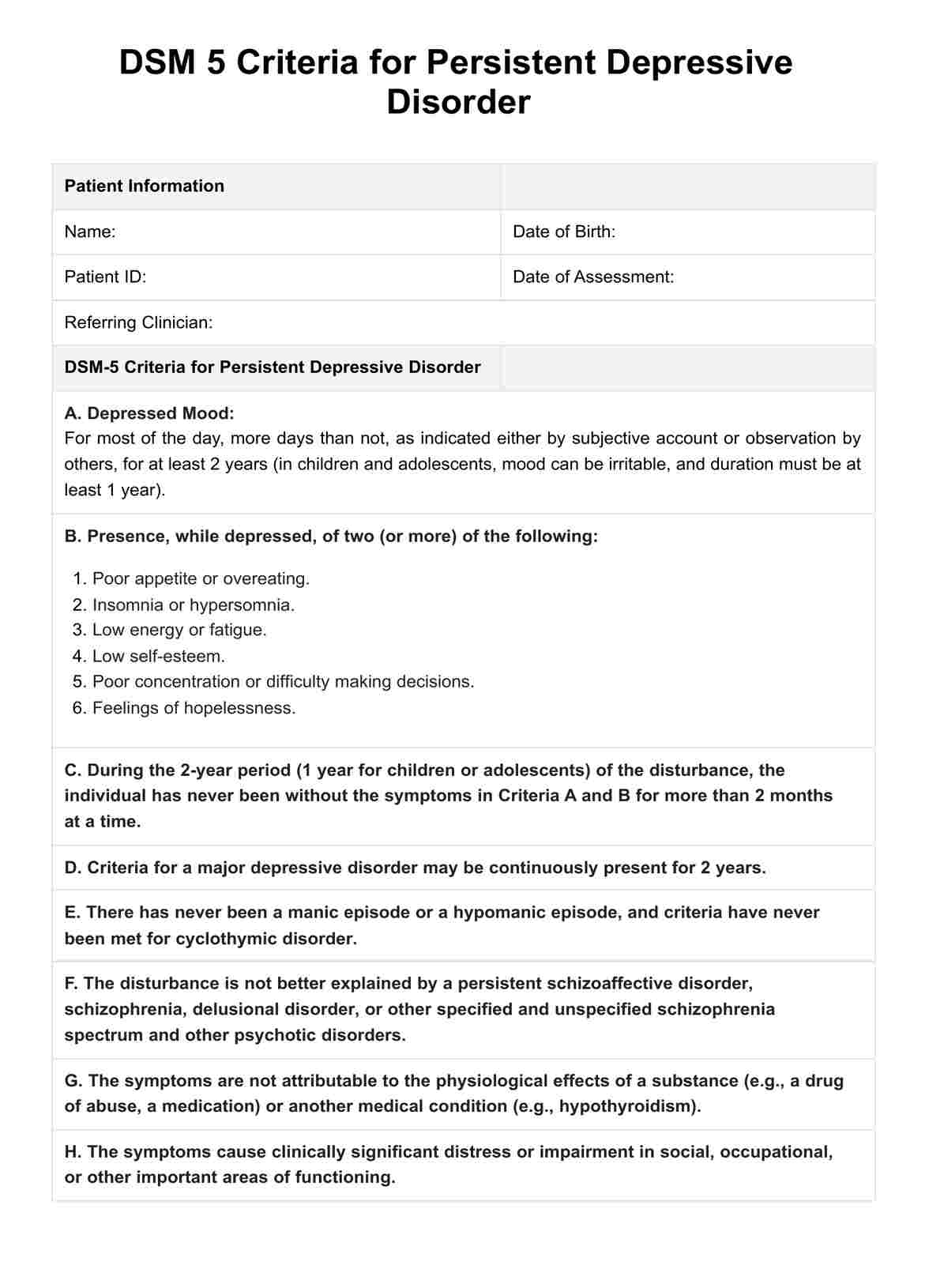
Symptoms of persistent depressive disorder
Persistent Depressive Disorder (PDD) is characterized by a complex array of symptoms that span emotional, cognitive, and physical domains. These symptoms are persistent, often lasting for years, and can significantly impact an individual's daily functioning and quality of life.
Depressed mood
The hallmark of PDD is a depressed mood that persists for the majority of the day, on more days than not, for at least two years in adults or one year in children and adolescents. This persistent feeling of sadness or emptiness can influence all aspects of an individual's life, from personal relationships to professional achievements.
Poor appetite or overeating
Individuals with PDD may experience significant changes in their eating habits, including poor appetite or overeating. These changes can lead to weight fluctuations and are often accompanied by feelings of guilt or shame about eating behaviors.
Insomnia or hypersomnia
Sleep disturbances are common in PDD, with individuals experiencing either insomnia (difficulty falling or staying asleep) or hypersomnia (excessive sleepiness). These sleep issues can exacerbate other symptoms of depression, such as low energy and poor concentration.
Low energy or fatigue
A pervasive sense of fatigue or low energy is a frequent symptom of PDD. Individuals may find it challenging to engage in everyday activities, even those requiring minimal effort, due to constant exhaustion.
Low self-esteem
PDD often erodes an individual's self-esteem, leading to persistent feelings of worthlessness or inadequacy. This low self-esteem can hinder personal development and exacerbate the depressive state.
Poor concentration or difficulty making decisions
Cognitive symptoms such as poor concentration and indecisiveness are prevalent in PDD. These issues can affect work or school performance, making it difficult to manage daily tasks and make important life decisions.
Feelings of hopelessness
A profound sense of hopelessness, a belief that things will never improve, is a debilitating symptom of PDD. This outlook can prevent individuals from seeking help or engaging in activities that could improve their mood and quality of life.
Understanding these symptoms is crucial for recognizing PDD and initiating appropriate treatment. Despite the chronic nature of PDD, effective interventions can significantly improve symptoms and help individuals lead fulfilling lives.