





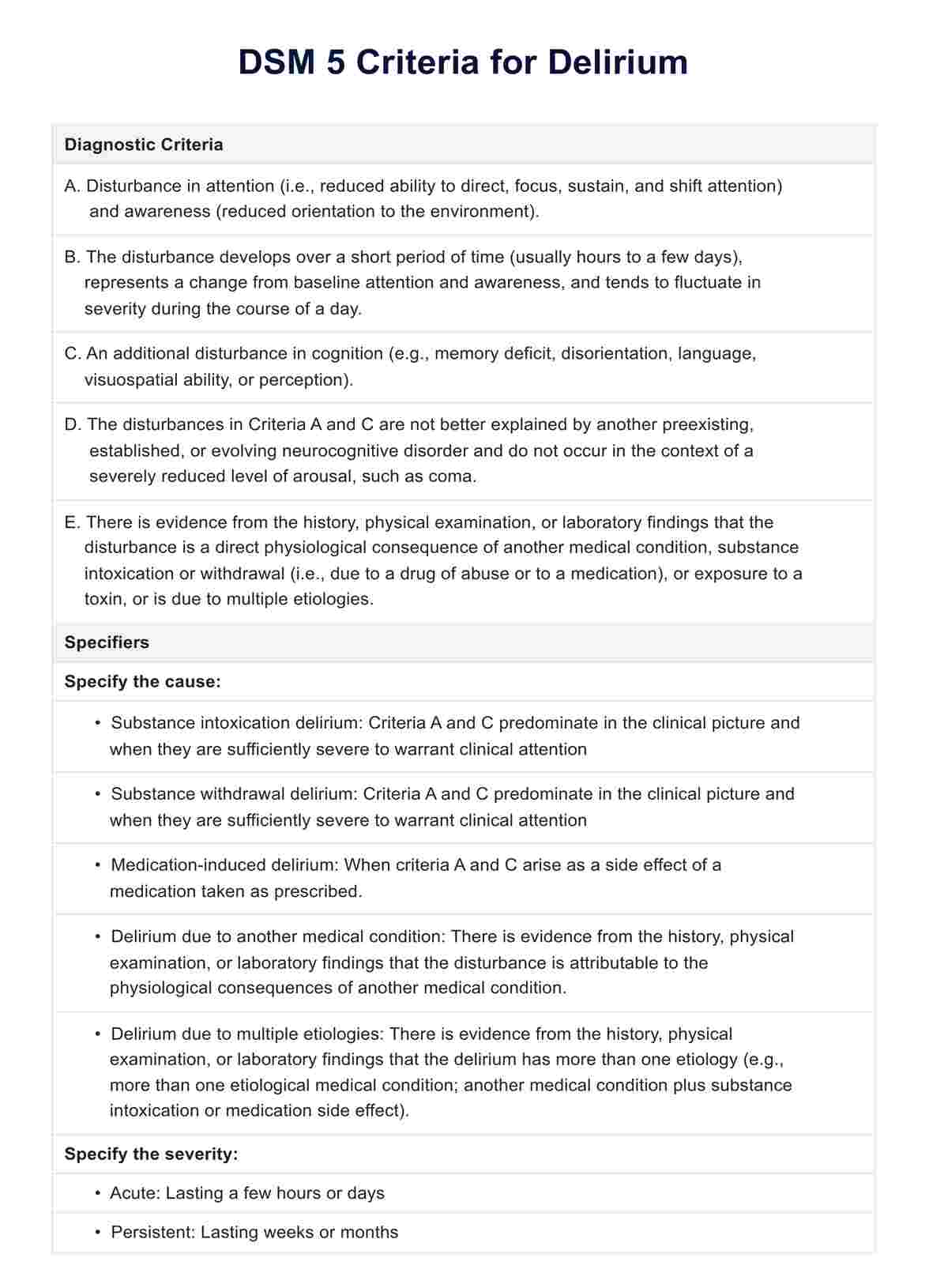




What is delirium?
Delirium is a severe disturbance in mental abilities that results in confused thinking and reduced awareness of the environment. It starts quickly, usually within hours or a few days, and can fluctuate throughout the day. People experiencing delirium can have trouble with attention, memory, orientation, and perception.
This condition can affect anyone but is more common in older adults, particularly those in hospital or long-term care settings.
What causes people to become delirious?
The causes of delirium are numerous, ranging from acute medical or surgical conditions, infections, and medication side effects to substance intoxication or withdrawal. It's often a sign of the body's stress response to an underlying issue rather than a standalone disease. For example, urinary tract infections, which are common in elderly populations, can trigger delirium.
Similarly, medications that affect the brain and nervous system, such as sedatives, can also lead to delirium.
What complications can delirium lead to?
The consequences and adverse effects of delirium are significant. It can lead to a more extended hospital stay, increase the risk of complications, and delay recovery from the underlying cause. Delirium is associated with an increased risk of mortality, particularly in older people.
Complications can include a decline in long-term cognitive function, resembling dementia, increased vulnerability to developing dementia later on, and a higher likelihood of needing long-term care or institutionalization.









