## **What is the Dr Now Diet Plan?**
The "Dr. Now Diet," also known as the Dr. Nowzaradan diet or the 1200-calorie diet plan, was developed by Dr. Younan Nowzaradan, a renowned vascular and bariatric surgery specialist and bariatric surgeon, best known for his work on the reality television show "My 600-lb Life." This diet is specifically designed for extremely obese individuals, often as a prerequisite to weight-loss surgery or bariatric surgery. The primary goal of the diet is to initiate significant weight loss, improve surgery safety, and instill long-term healthy eating habits.
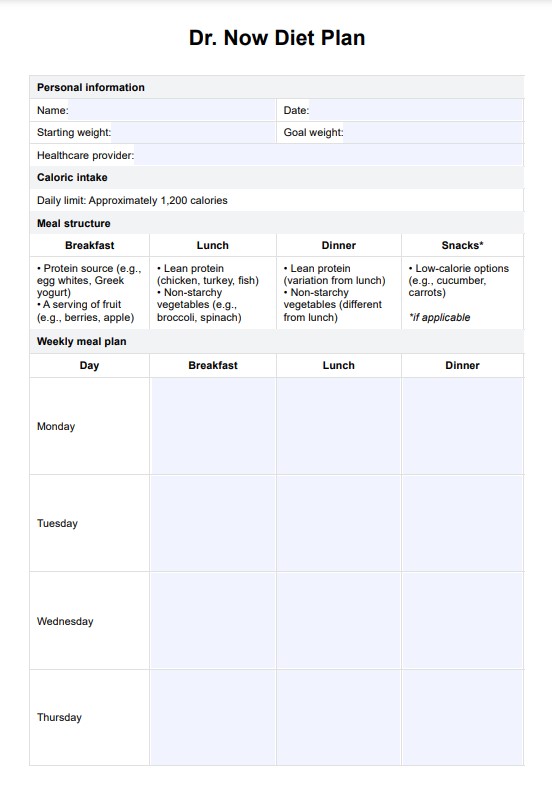
Central to the Dr. Now Diet is a drastic reduction in daily calorie intake, typically limited to around 1,200 calories per day. This low-calorie diet focuses on high-protein, low-carb, and low-fat foods. It emphasizes consuming lean proteins, such as chicken, turkey, and fish, and various non-starchy vegetables as high protein intake helps maintain satiety and preserve lean muscle mass during weight loss, which is vital as muscle mass can often be lost in calorie-restricted diets (Kim, 2021).
Fruits are included but in moderation, given their natural sugar content. Processed foods, sugary snacks, high-calorie fruits, starchy vegetables, and refined carbohydrates are notably excluded from the diet.
Portion control is another critical aspect of the diet. Patients are encouraged to consume smaller portions and are often advised to use smaller plates to help control serving sizes. Hydration is also emphasized, focusing on drinking plenty of water while avoiding sugary drinks and excessive caffeine.
The strict nature of the diet serves multiple purposes. It helps in reducing the size of the liver, a common issue in obese individuals, to lower the risk during bariatric surgery. Research supports structured, strict diets for morbidly obese patients to reduce surgery risks and improve postoperative outcomes (Kalarchian et al., 2016; Van et al., 2011).
It also aims to foster discipline in eating habits, preparing patients for the post-surgery lifestyle changes necessary for long-term weight management.
It's important to note that the Dr. Now Diet is tailored to each patient's specific health needs and is closely monitored by medical professionals; the 1200-calorie plan is just a template, but specific plans are highly individualized. This diet is not a one-size-fits-all solution and is typically not recommended for the general public, particularly because of its extremely low-calorie limit. It's designed for individuals under professional medical supervision, especially those preparing for or recovering from bariatric surgery. We have developed a comprehensive plan for the Dr. Now Diet, which is essential for anyone considering this highly restrictive program. Given its low-calorie and nutritionally specific nature, this plan will serve as an indispensable guide.
### **Why would a client need this diet plan?**
The Dr. Now Diet Plan Template is primarily used in specific, medically supervised situations where rapid and significant weight loss is necessary for health reasons. This diet is most commonly associated with patients preparing for bariatric surgery. However, its use extends beyond pre-surgical preparation.
- **Pre-bariatric surgery preparation**: Patients with extreme obesity are often required to lose weight before surgery to decrease the risk of complications. To add, the diet helps reduce the liver's size, making surgery safer and more accessible (Romejin et al., 2020)
- **Medically supervised weight loss programs**: In cases of severe obesity, rapid body weight loss is necessary to alleviate immediate health risks, such as severe diabetes, hypertension, or mobility issues (Christensen & Nelson, 2025). Furthermore, it provides a strict framework for patients who need structured dietary guidance.
- **Post-surgical diet transition**: Patients transitioning from a liquid diet to solid foods post-bariatric surgery can use this plan to maintain weight loss momentum, adapt to new eating habits, and avoid rebound weight gain (Bettini, 2020).
- **Professional healthcare settings**: Utilized by professionals to create a structured diet plan for patients with severe dietary restrictions. It is also implemented in clinical settings specializing in weight loss for obese patients.
### **Pros and cons of this diet plan**
Like every diet, there are pros and cons to following it. Here are some of the advantages and disadvantages of the Dr. Now Diet Plan:
#### **Pros**
- **Effective preoperative weight loss**: Short-term use of very-low-calorie diets (VLCDs) like this has been shown to be a reliable and essential tool for rapid, significant weight loss in bariatric surgery candidates (Bourque et al., 2025).
- **Reduced surgical risk**: It promotes rapid weight loss, specifically the reduction of visceral (internal) fat and liver volume, making bariatric surgery safer and technically easier.
- **A jump-start to behavior change**: The highly structured and restrictive nature of the diet can serve as a "boot camp" to quickly initiate new eating habits, portion control, and accountability, which are critical for long-term post-operative success.
- **Improvement in co-morbidities**: Rapid weight loss under medical supervision is often associated with short-term improvements in obesity-related conditions like high blood pressure and type 2 diabetes (Damoon Ashtary-Larky et al., 2017)
#### **Cons**
- **Nutritionally incomplete and unsustainable**: A 1,200-calorie diet is excessively restrictive for the majority of the general population and is not sustainable long-term.
- **Risk of rapid weight regain**: Extreme calorie restriction can trigger metabolic adaptations, such as a slowed metabolic rate and changes in hunger hormones, which often lead to high rates of weight regain (rebound) once the diet is stopped (Most & Rednam, 2020)
- **Requires strict medical supervision**: Due to the risk of serious side effects, including gallstone formation, electrolyte imbalances, and nutritional deficiencies, this diet must be followed only under the close monitoring of a clinical team (physician, surgeon, and bariatric dietitian).
- **General weight loss**: Not intended for individuals with moderate weight loss goals or as a general diet plan.
## **How to use the Dr. Now Diet Plan Template?**
Our template is specifically designed for the unique requirements of the Dr. Now Diet, which is tailored for those seeking significant weight loss through a highly restrictive, low-calorie diet. To help your patients navigate this challenging but potentially transformative weight loss journey, we've developed a detailed, step-by-step guide on effectively using our Printable Dr. Now Diet Plan Template.
### **Step 1: Access the Dr. Now Diet Plan**
Click the link on our page to access the Dr. Now Diet Plan. If you prefer a physical copy, print out the template for manual tracking and planning. It is also accessible and customizable on the Carepatron app.
### **Step 2: Determine caloric intake**
Based on the Dr. Now Diet, set the daily caloric intake of the patient to around 1,200 calories. You can adjust the template to reflect your patient's specific caloric limits and dietary needs.
### **Step 3: Familiarize the patient with permissible foods**
Introduce the list of foods recommended in the diet to the patient, mainly lean proteins (egg whites, lean fish), non-starchy vegetables (broccoli, cabbage), seeds (chia, flax seeds), and specific fruits. Explain the nutritional value of these foods and how they contribute to the diet.
You may also remind them to avoid non-permissible foods such as high fat foods (bacon, hot dogs, fried meats), or high sugar (banana, mango). Emphasize that certain nutritious foods are also non-permissible due to the calorie content.
### **Step 4: Plan your meals**
Use the template to create a Dr. Now Diet meal plan and to schedule the patient's two to three meals, ensuring they align with the diet's guidelines. Remind them to pay attention to portion sizes, a crucial aspect of the Dr. Now diet.
### **Step 5: Regular monitoring and consultation**
Measure the patient's weight and other relevant health measurements regularly. Maintain ongoing communication with your patient, especially for adjustments and health monitoring.
### **Step 6: Incorporate lifestyle changes**
Gradually introduce appropriate physical activities and help your patient incorporate them into daily life. Remind them to cultivate healthier eating habits and a better understanding of nutrition.
## **Educating clients about this diet**
When embarking on the Dr. Now Diet, as outlined in the Free Dr. Now Diet Plan Template, several critical considerations must be considered before, during, and after the diet to ensure safety and effectiveness.
### **Before starting the diet**
- Fully explain the diet's restrictive nature, focusing on low-calorie, high-protein, low-fat, and low-carb foods.
- Establish clear and achievable weight loss goals with your patient
- Help them be mentally prepared for significant lifestyle changes, including drastic dietary adjustments. promote weight loss
### **During the diet**
- Have them follow the diet plan closely, as deviating can impact its effectiveness, especially if it's a prerequisite for surgery.
- As you and your client choose the foods they shall eat, ensure that they are getting all the necessary nutrients despite the restricted calorie intake. Supplements may be necessary.
- Remind them to drink plenty of water and avoid sugary or high-calorie beverages.
- Suggest healthy ways to cope with hunger and cravings, such as consuming low-calorie snacks like vegetables.
- Regularly consult with your patient to monitor their health and make adjustments to the diet as needed.
### **After the diet**
- Have them gradually transition to a more sustainable, balanced diet after reaching their goal or as advised, based on your observation or test results
- Encourage them to incorporate the healthy eating habits learned during the diet into their everyday life.
- Come up with long-term strategies for maintaining weight loss, including ongoing dietary restrictions and regular exercise.
- Continue to work with your patient to monitor their health and prevent excess weight regain.
### **References**
Bettini, S., Belligoli, A., Fabris, R., & Luca Busetto. (2020). Diet approach before and after bariatric surgery. Reviews in Endocrine and Metabolic Disorders, 21(3), 297–306. https://doi.org/10.1007/s11154-020-09571-8
Bourque, K., Wolters, C., Hinzey, E., & Helm, J. (2025). The Dr. Now Diet: Pros, Cons and How to Follow. US News & World Report; U.S. News & World Report. https://health.usnews.com/wellness/food/articles/dr-now-diet-and-how-to-follow-it
Christensen, S., & Nelson, C. (2025). Chronicity of obesity and the importance of early treatment to reduce cardiometabolic risk and improve body composition. Obesity Pillars, 100175–100175. https://doi.org/10.1016/j.obpill.2025.100175
Damoon Ashtary-Larky, Matin Ghanavati, Nasrin Lamuchi-Deli, Seyedeh Arefeh Payami, Alavi-Rad, S., Mehdi Boustaninejad, Reza Afrisham, Amir Abbasnezhad, & Alipour, M. (2017). Rapid Weight Loss vs. Slow Weight Loss: Which is More Effective on Body Composition and Metabolic Risk Factors? International Journal of Endocrinology and Metabolism, In Press(In Press). https://doi.org/10.5812/ijem.13249
Kalarchian, M. A., Marcus, M. D., Courcoulas, A. P., Cheng, Y., & Levine, M. D. (2016). Preoperative lifestyle intervention in bariatric surgery: a randomized clinical trial. Surgery for Obesity and Related Diseases: Official Journal of the American Society for Bariatric Surgery, 12(1), 180–187. https://doi.org/10.1016/j.soard.2015.05.004
Kim J. Y. (2021). Optimal diet strategies for weight Loss and weight loss maintenance. Journal of Obesity & Metabolic Syndrome, 30(1), 20–31. https://doi.org/10.7570/jomes20065
Most, J., & Redman, L. M. (2020). Impact of calorie restriction on energy metabolism in humans. Experimental Gerontology, 133, 110875–110875. https://doi.org/10.1016/j.exger.2020.110875
Romeijn, M. M., Kolen, A. M., Daniëlle D. B. Holthuijsen, Janssen, L., Goof Schep, Leclercq, G., & Dielen, van. (2020). Effectiveness of a Low-Calorie Diet for Liver Volume Reduction Prior to Bariatric Surgery: a Systematic Review. Obesity Surgery, 31(1), 350–356. https://doi.org/10.1007/s11695-020-05070-6
Commonly asked questions
The Dr. Now Diet Plan is a low-calorie, high-protein diet designed primarily for extreme weight loss, especially in obese individuals preparing for bariatric surgery. It typically restricts daily caloric intake to around 1,200 calories.
This diet is intended for individuals with significant obesity, often as a prerequisite for bariatric surgery. It should only be used under medical supervision, particularly by those who need to lose weight quickly for health reasons.
No, it's not safe. Due to its highly restrictive nature, the Dr. Now's diet plan should only be followed under the guidance of healthcare professionals.