Common causes
As mentioned, diplopia can be a symptom of various underlying conditions. Here are some of the most common causes of diplopia in detail:
Myasthenia Gravis
An autoimmune disorder that affects the neuromuscular junction, causing muscle weakness (WebMD, n.d.). This condition often affects the extraocular muscles, leading to diplopia (International Council of Ophthalmology, n.d.).
Third nerve palsy
A condition where the third cranial nerve responsible for eye movement is damaged or affected by an underlying neurological issue (Medscape, n.d.). This can result in double vision, ptosis (droopy eyelid), and other symptoms (International Council of Ophthalmology, n.d.).
Fourth nerve palsy
Also known as trochlear nerve palsy, this condition affects the fourth cranial nerve, resulting in weakness of the superior oblique muscle. It can cause vertical diplopia (double vision when looking down) and compensatory head tilt to relieve symptoms.
Sixth nerve palsy
It affects the sixth cranial nerve, leading to weakness in the lateral rectus muscle responsible for outward eye movement. This can cause horizontal diplopia and difficulty with eye movements.
Optic neuropathy
Damage or inflammation of the optic nerve can lead to vision problems, including diplopia (Jain, 2022). Conditions like multiple sclerosis, intracranial pressure, and optic atrophy can cause optic neuropathy.
Strabismus
This is a condition where the eyes are misaligned due to muscle weakness or nerve damage. This can cause diplopia, as the images seen by each eye are not in sync (Jain, 2022).
Cranial nerve palsies
Damage or dysfunction of any cranial nerves responsible for eye movement (third, fourth, and sixth) can result in diplopia (Jain, 2022). This is often accompanied by other symptoms related to the affected nerve.
Refractive abnormalities
Issues with the eye shape or cornea can cause refractive errors, leading to double vision. Conditions like keratoconus, cataracts, and corneal scarring can cause this (Jain, 2022).
Tear film abnormalities
The tear film is essential for maintaining healthy and clear vision. Conditions like dry eye syndrome, blepharitis, and allergies can affect the tear film, leading to diplopia (Jain, 2022).
Orbital myositis
Inflammation of the eye muscles in the orbit can cause double vision, affecting their ability to move correctly (Cleveland Clinic, n.d.). This condition is often associated with Graves' disease.
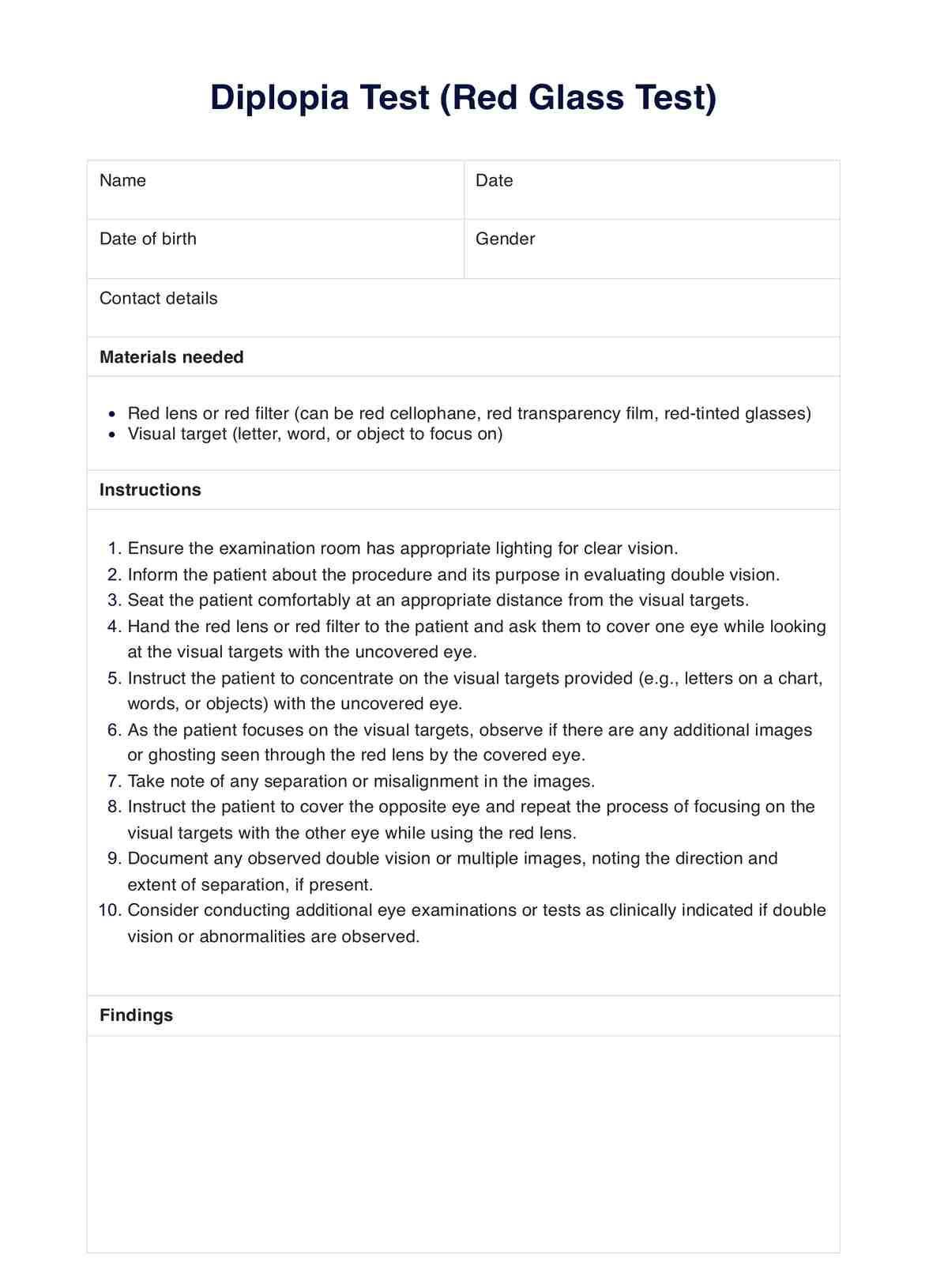
Diplopia workup
When evaluating a case of diplopia, a thorough examination and appropriate tests are necessary to determine the underlying cause. This may include a complete medical history, physical exam, imaging studies, and neurological evaluations (Cleveland Clinic, n.d.).