





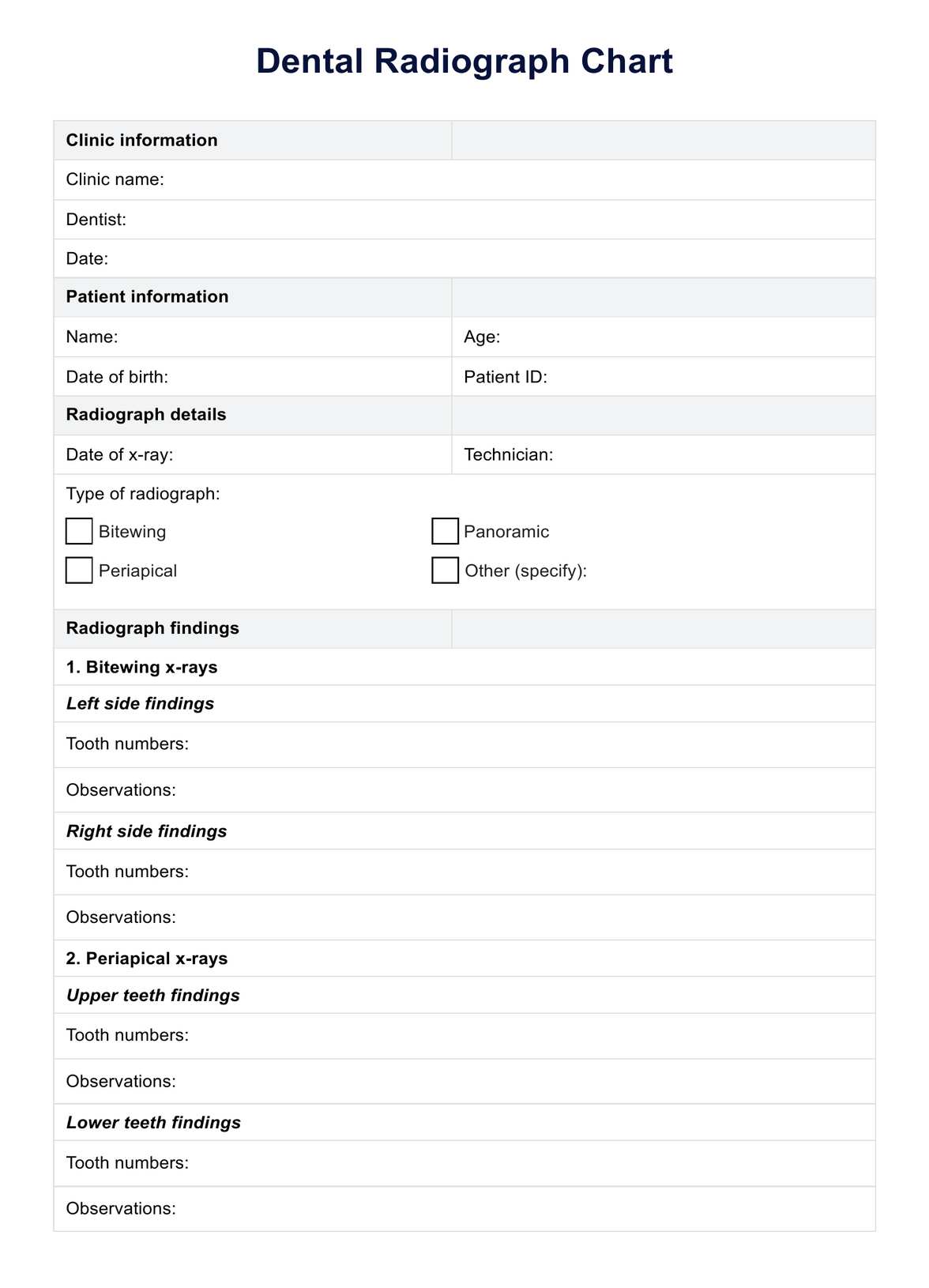




What is a dental radiograph?
A dental radiograph, commonly known as a dental X-ray, is a type of imaging used by dentists to view hidden dental structures, malignant or benign masses, bone loss, and cavities. These images are crucial for diagnosing and providing effective treatment planning in dental care.
What do dental radiographs contain?
Dental radiographs, or X-rays, are essential for dental diagnostics. They offer detailed views of various structures not visible during a standard examination. These images typically capture the tooth roots, jaw bones, and the bones surrounding the teeth.
By revealing hidden structures, such as the areas beneath the gums and between teeth, radiographs help dentists diagnose conditions like cavities, root infections, and bone abnormalities. They are also crucial in assessing the health of the periodontal area and the status of growing teeth and dental implants.
How much radiation exposure is there during dental X-rays
Dental X-rays involve very low levels of radiation exposure, which is considered safe for most patients. The amount of radiation emitted during dental X-rays is minimal, especially when compared to other sources of radiation encountered in daily life, such as natural background radiation from the earth and cosmic rays.
Advances in dental technology, such as digital X-rays and proper shielding with lead aprons, have further reduced the cancer risk, comparable to exposure during a short airplane flight. These safety measures ensure dental X-rays are a valuable and low-risk tool for assessing dental health issues.
Are dental x-rays safe?
Dental X-rays are considered extremely safe. They expose patients to very low radiation levels—much lower than other medical imaging procedures. Dentists use protective measures such as lead aprons and thyroid collars to ensure safety and minimize potential risks. These precautions effectively protect patients from unnecessary exposure.
Furthermore, modern dental X-ray machines limit the radiation beam to the small examined area, further reducing patient exposure. The American Dental Association and other regulatory bodies closely monitor and regulate the use of dental X-rays to ensure they are as safe as possible.









