


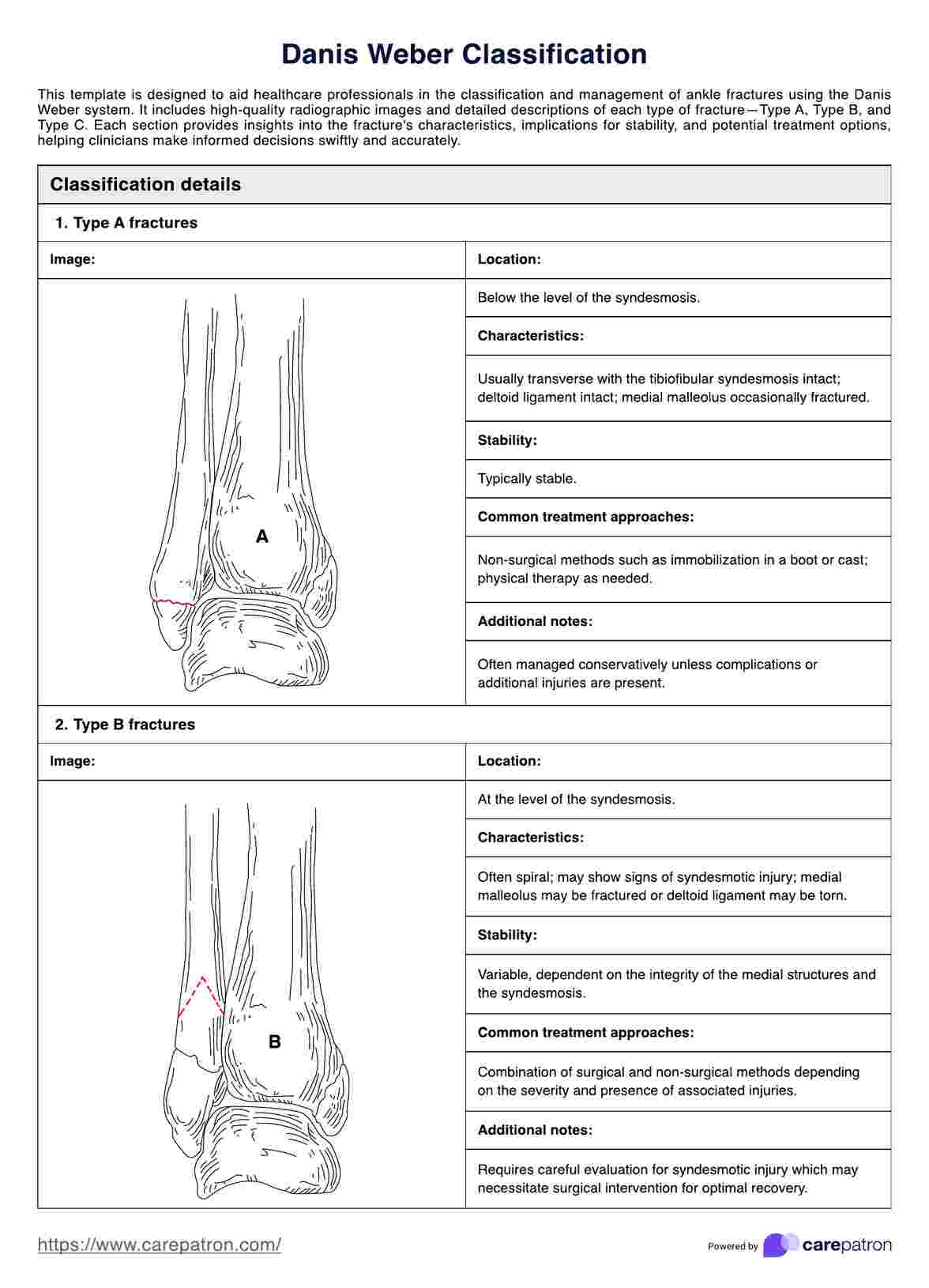




What are lateral ankle fractures?
The most common bone broken in lateral ankle fractures is the fibula, which is located on the outside of the ankle. They are divided into groups according to the degree of intricacy and the particular bone segments—like the fibular shaft or the lateral malleolus—that are affected. A fracture near the lateral malleolus fracture line can have widely differing clinical results and degrees of severity. These results are greatly influenced by variables including the exact position and features of the fracture.
For instance, a simple fibular fracture might be stable and cause minimal disruption to ankle functionality. In contrast, more complex scenarios involving a posterior malleolus fracture or a combination with a deltoid ligament injury can lead to significant instability and necessitate comprehensive treatment strategies.
These fractures may also be associated with ankle dislocation, compounding the risk factors and complicating recovery. Accurately predicting the mechanism of ankle fracture is crucial for tailoring appropriate interventions, managing patient expectations, and facilitating optimal recovery outcomes.
Understanding the specifics of each ankle injury risk factor and predicting ankle fracture mechanism, pattern, and type is essential for effective management and achieving the best possible recovery results.
Symptoms of lateral ankle fractures
Lateral ankle fractures present with a range of symptoms that indicate damage to the outer part of the ankle. These include:
- Pain and tenderness around the outer ankle
- Swelling and bruising
- Inability to bear weight on the affected foot
- Visible deformity in severe cases
Causes of lateral ankle fractures
Ankle fractures, including those affecting the lateral side, can result from various incidents, some of which are more likely in certain populations than others. Common causes include:
- Twisting or rolling of the ankle
- Impact from a fall or direct blow to the ankle
- High-energy trauma, such as a car accident
Some people are more likely than others to suffer from lateral ankle fractures. These are usually athletes playing sports like basketball, soccer, or football that need them to jump, sprint, or change direction quickly. In addition, those with weaker bone disorders like osteoporosis or a history of ankle injuries are more vulnerable.
Older individuals are another vulnerable category for these kinds of fractures since they have an increased risk of falls as they age. Knowing these risk factors is essential for prevention and helps develop treatment plans that are customized to meet the unique requirements of these populations that are at risk.









