









What is liver cirrhosis?
Liver cirrhosis or hepatic cirrhosis is a progressive and irreversible condition characterized by the replacement of healthy liver tissue with scar tissue, ultimately leading to impaired liver function. This chronic liver disease often arises from various factors, including excessive alcohol consumption, viral hepatitis, non-alcoholic fatty liver disease, and autoimmune liver diseases (National Institute of Diabetes and Digestive and Kidney Diseases, 2019a; Sharma & John, 2022). As cirrhosis advances, it can culminate in end-stage liver disease, necessitating interventions such as liver transplantation.
One of the hallmarks of liver cirrhosis is portal hypertension. In this condition, elevated pressure within the blood vessels supplying the liver leads to complications such as esophageal varices and ascites or fluid accumulation in the abdomen. Additionally, liver cirrhosis can result in hepatic encephalopathy, which manifests as altered mental status due to the liver's inability to detoxify harmful substances.
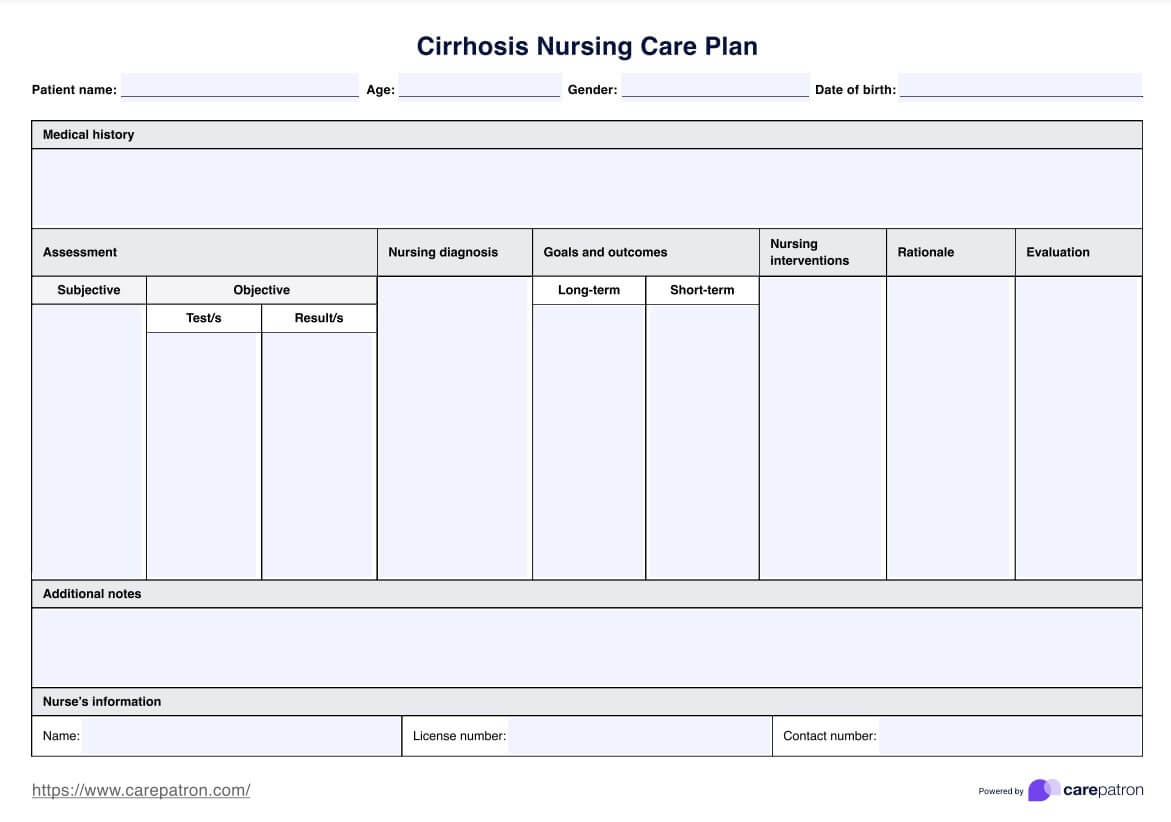
Treatment focuses on managing complications, addressing the underlying cause, and preventing further damage to the liver. For those with decompensated cirrhosis, a liver transplant may be the only curative option. Nursing diagnosis for cirrhosis involves vigilant monitoring for signs of liver failure, fluid retention, and mental status changes, as well as providing supportive care to optimize patient outcomes.
Symptoms of cirrhosis
Liver cirrhosis can manifest with a range of symptoms, which may vary in severity and presentation. Recognizing these symptoms is crucial for early detection and intervention. Some common symptoms include (National Health Service, 2020; National Institute of Diabetes and Digestive and Kidney Diseases, 2019b):
- Fatigue
- Weakness
- Jaundice (yellowing of the skin and eyes)
- Loss of appetite
- Weight loss
- Nausea and vomiting
- Abdominal pain or tenderness
- Swelling in the abdomen (ascites)
- Swelling in the legs and ankles (edema)
- Easy bruising and bleeding
- Itchy skin
- Confusion or altered mental status (hepatic encephalopathy)
- Dark urine
These symptoms may develop gradually over time as liver function declines. However, some individuals with cirrhosis may remain asymptomatic until the disease reaches an advanced stage.









