









What is cognitive behavioral therapy for sleep?
Cognitive Behavioral Therapy for Sleep, also known as cognitive behavioral therapy for insomnia (CBT-I) is an evidence-based treatment for chronic insomnia and other sleep disorders. It targets the negative thoughts, maladaptive behaviors, and emotional distress that contribute to poor sleep and perpetuate insomnia symptoms. By addressing both the psychological and behavioral factors affecting sleep, CBT-I helps individuals develop healthier sleep patterns and improve sleep quality.
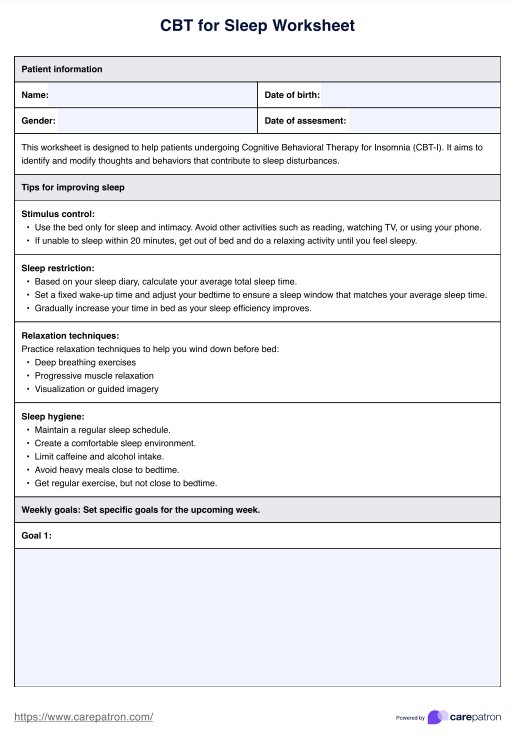
CBT-I combines several key components to address sleep disturbances and the perpetuating factors of insomnia. Sleep restriction therapy limits time spent in bed to match actual sleep time, improving sleep efficiency. Stimulus control treatment strengthens the association between the bed and sleep by avoiding activities like watching TV or lying awake worrying. Cognitive restructuring challenges negative thoughts and unhelpful beliefs about sleep, which fuel anxiety and poor sleep hygiene. Self-help has also been found to improve sleep hygiene, even by a small to moderate degree (van Straten & Cuijpers, 2009). Relaxation techniques such as progressive muscle relaxation and deep breathing reduce arousal and help promote a calm state before bedtime.
Additionally, sleep hygiene education is a vital component of CBT-I, helping patients develop healthier sleep habits and environmental factors, such as limiting caffeine, maintaining a regular sleep schedule, and creating a comfortable sleep environment.
By addressing these core areas, CBT-I helps individuals manage chronic insomnia disorder, regulate their sleep schedule, and improve overall sleep quality, offering a long-term solution to insomnia symptoms and sleep disturbances (Edinger & Means, 2005).









