







What is intrinsic tightness?
Intrinsic tightness affects the metacarpophalangeal joint (MCP) and proximal interphalangeal joint (PIP) in the hand, leading to restricted MCP flexion, limited PIP flexion, and challenges in performing fine motor activities.
Intrinsic tightness can be caused by several factors. Some individuals may have a natural genetic tendency to develop intrinsic tightness, but it may also be caused by certain health conditions such as arthritis, tendonitis, and nerve disorders. It may also be caused by direct injury or trauma to the hand (such as a fracture or dislocation) or simple overuse or repetitive strain.
The most common symptom of intrinsic tightness is difficulty with fine motor activities, such as writing, typing, or holding small objects. Other symptoms may include decreased hand and finger strength, joint stiffness, limited range of motion in the fingers, and pain or discomfort when performing certain movements.
If left untreated, intrinsic tightness can worsen over time, leading to more serious complications. You can perform physical examinations and recommend imaging tests to diagnose intrinsic muscle tightness. These may include X-rays, magnetic resonance imaging (MRI) scans, or ultrasounds.
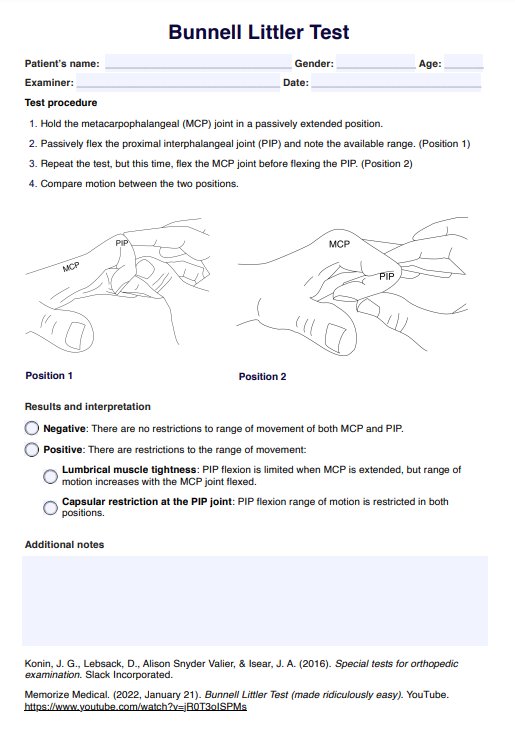
Other assessments, such as the grip strength test and finger joint range of motion test, may also be used to evaluate hand function and range of motion. The primary tests used to diagnose intrinsic tightness are the Haines Zancolli Test, which tests the PIP and distal interphalangeal joints, and the Bunnel Littler Test.









