





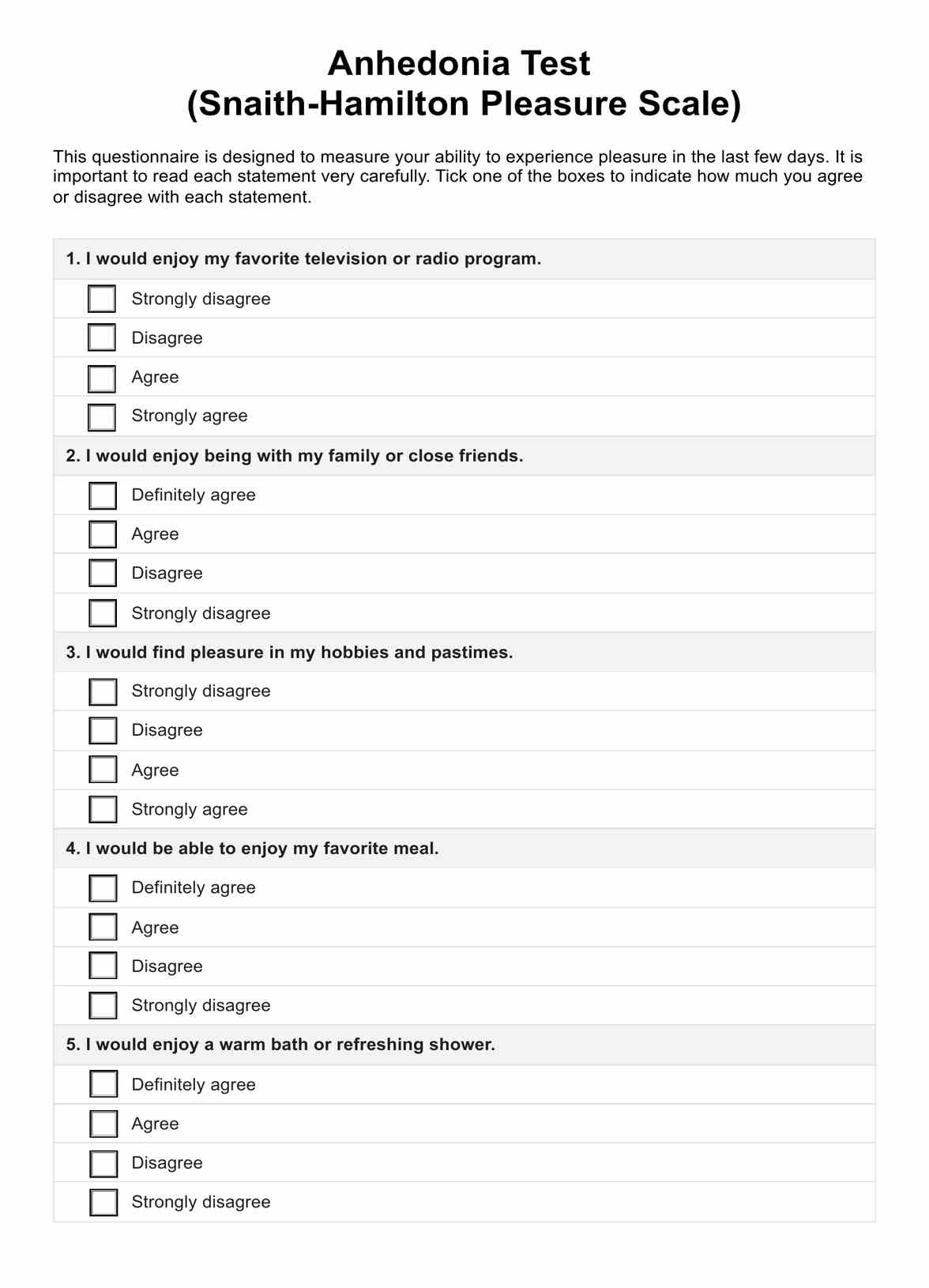




What is anhedonia?
Anhedonia is a psychological condition characterized by the inability to experience pleasure from rewarding or enjoyable activities. This can include hobbies, social interactions, physical activities, and other forms of recreation. It is often associated with mental health conditions such as depression, schizophrenia, and other mood disorders.
It's divided into two types: social anhedonia, characterized by a disinterest in social interactions and lack of enjoyment in relationships or social activities, and physical anhedonia, which is the inability to derive pleasure from bodily sensations, including eating, touch, or sexual activities.
This condition can impact a quality of life and overall well-being. Treatment for anhedonia typically involves addressing the underlying condition through therapy, medication, lifestyle changes, and support from mental health professionals.
Anhedonia symptoms
Anhedonia is a symptom of several mental health conditions. Accurately identifying it is crucial for effective diagnosis and treatment planning.
Key indicators that a patient is experiencing anhedonia:
- Significant decline in engagement with formerly pleasurable experiences.
- Isolates and has a decreased desire for social connection or neglects interpersonal relationships.
- Struggling to feel a wide range of emotions, often feeling emotionally numb.
- Diminished ability to experience physical pleasure (e.g., loss of libido, lack of enjoyment from food) while still deriving some satisfaction from social interactions.
The degree of the condition can affect a patient's quality of life. Evaluate the extent to which it interferes with daily functioning and overall well-being.
What causes anhedonia?
The exact causes of anhedonia are still under investigation, but there is a complex interplay of factors:
- It is linked to brain reward system disruptions, particularly the ventral striatum.
- Dopamine is a key player in the reward system, and disruptions in its signaling may contribute to anhedonia. Serotonin and glutamate may also be involved.
- It's a common symptom of major depressive disorder (MDD), schizophrenia, bipolar disorder, and post-traumatic stress disorder (PTSD).
- Chronic illnesses like Parkinson's disease, chronic pain syndromes, and diabetes can lead to anhedonia due to their impact on reward processing.
- Drug abuse and dependence can disrupt brain chemistry and lead to symptoms. Withdrawal from substances can also cause temporary anhedonia.
- A potential genetic predisposition to anhedonia, the investigation of this is still ongoing.









