





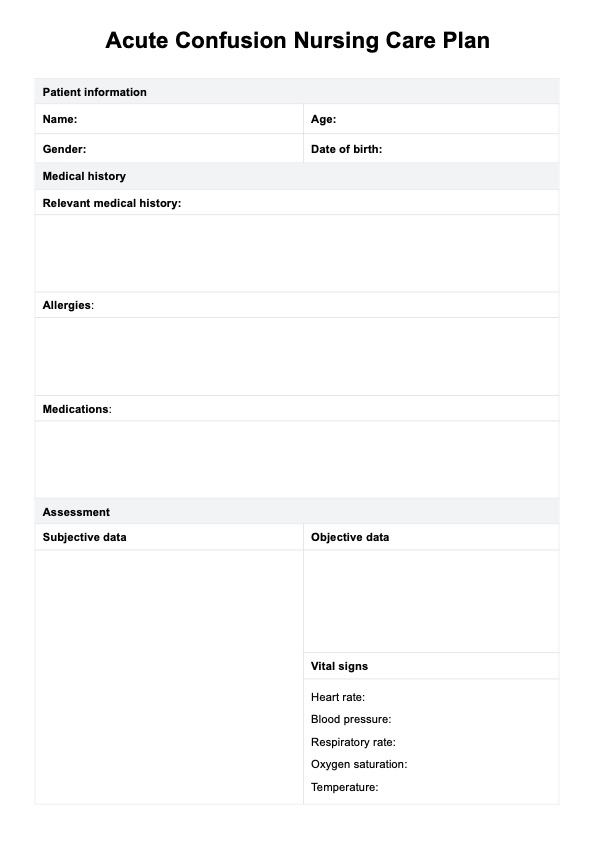




What is acute confusion?
Acute confusion, also known as delirium, is a sudden onset of cognitive impairment that affects a patient's consciousness, attention, cognition, and perception. It can develop over hours to days and is often reversible once the underlying cause of medical illness is identified and treated. It is a condition frequently encountered in clinical practice, particularly among elderly patients, and requires prompt assessment and intervention to prevent complications and promote client safety.
Symptoms of acute confusion (patient report)
Patients experiencing acute confusion may report a variety of symptoms that indicate cognitive dysfunction, mood disorders, and altered mental status. These symptoms include:
- Patients may see, hear, or feel things that are not present
- A heightened sense of suspicion or fear of others
- Confusion about time, place, or identity
- Feelings of restlessness and inability to stay calm
- Difficulty remembering recent events or information
Signs of acute confusion (nurse's observations)
Health professionals, particularly nurses, identify and monitor these vital signs of acute confusion:
- Inconsistent awareness levels, ranging from alertness to drowsiness
- Physical signs of distress include fidgeting or attempting to get out of bed
- Misinterpretation of environmental stimuli, such as mistaking medical equipment for threats
- Challenges in understanding or completing tasks
- Involuntary shaking or trembling is often observed in the hands
Causes of acute confusion
Here are some probable causes of acute confusion:
- Infections, particularly urinary tract infections (UTIs) and sepsis are prevalent in elderly patients
- Sudden cessation of alcohol intake can lead to withdrawal symptoms and delirium
- Injuries to the head can disrupt cognitive function and lead to altered mental status
- Certain medications, such as anticholinergics, can induce delirium, highlighting the importance of proper medication management
- Electrolyte disturbances, hypoglycemia, and dehydration can impair cognitive function
- Postoperative confusion is common, especially in older adults
- Pre-existing conditions such as dementia, Parkinson's disease, and other mental disorders increase the risk of delirium
- Interaction of multiple medications can lead to adverse cognitive effects, necessitating careful review and adjustment of the patient's medication regimen
Understanding these underlying causative factors is essential for effective treatment and management









