


O que é estimulação transmagnética?
A estimulação magnética transcraniana (TMS) é uma técnica não invasiva de estimulação cerebral que usa uma bobina magnética para gerar campos eletromagnéticos, estimulando as células nervosas no cérebro. É usado principalmente como terapia de estimulação cerebral para tratar transtornos mentais e neurológicos, fornecendo pulsos às regiões cerebrais específicas. Esses pulsos modulam a atividade neural, aumentando ou inibindo a comunicação entre os neurônios, dependendo da frequência e intensidade da estimulação.
Ao contrário da estimulação do nervo vago (VNS) ou da eletroconvulsoterapia (ECT), a TMS não requer cirurgia, anestesia ou indução de convulsões, o que a torna uma opção mais segura e tolerável para muitos pacientes. A terapia TMS é normalmente conduzida em um ambiente ambulatorial, com sessões que duram entre 30 e 60 minutos.
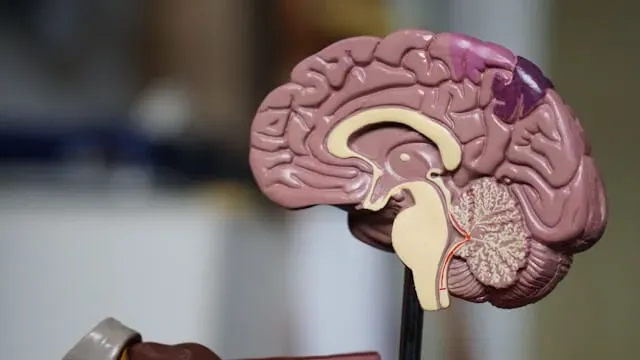
O TMS gera um campo magnético que induz uma corrente elétrica em áreas específicas do cérebro, alterando a atividade neuronal. A estimulação de alta frequência aumenta a excitabilidade neural, enquanto a estimulação de baixa frequência pode suprimir os circuitos hiperativos. A bobina de tratamento é frequentemente colocada contra o couro cabeludo sobre o córtex pré-frontal dorsolateral (DLPFC) para tratar o transtorno depressivo maior (MDD) e o transtorno bipolar. No entanto, outras regiões do cérebro podem ser alvo de condições como ansiedade, dor crônica e distúrbios do movimento.