
Clay Therapy: a medical art therapy
Clay Therapy, a medical art therapy, leverages the expressive and therapeutic potential of working with clay to enhance mental and emotional well-being. Medical art therapy includes music, painting, clay, sculpture, and more. Clay art therapy fosters a secure sense of touch, connecting individuals to their earliest memories, improving coping mechanisms for illnesses, and facilitating social interactions. Concurrently, this approach promotes creativity, self-awareness, and anxiety alleviation (Suputtitada, 2021).
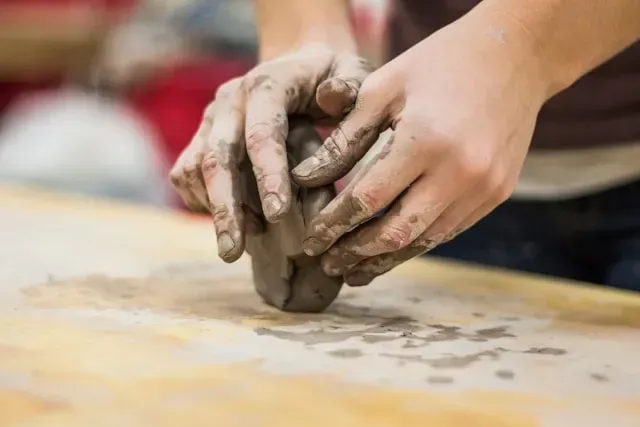
Clay Therapy, as part of the broader spectrum of art therapy, is acknowledged for its capacity to promote self-discovery, alleviate stress, and create a secure environment for individuals to address mental health challenges. In clay therapy's hands-on activities, individuals sculpt, mold, or shape clay, offering a nonverbal channel for self-expression. Touching clay establishes a sensory and emotional connection, aiding in exploring and processing feelings.
Children, in particular, benefit significantly from this approach, as the medium allows them to shape and create, offering a tangible representation of their ideas and feelings. In schools, families, and adult therapy settings, clay becomes a tool to enhance mental health by providing a unique form of expression. It is not merely an art form but a means to create shapes ingrained with personal meaning, fostering a sense of self and promoting emotional well-being.