10 Memory Exercises to Teach Patients
If you’re working with patients who struggle with memory, are looking to improve it, or want to keep their minds sharp, brain exercises can make a real difference. Whether it’s playing brain games or learning new skills, these activities help strengthen cognitive function. To support your patients on their journey to better memory, we’ve put together a list of ten engaging exercises you can introduce in your sessions.
1. Sudoku
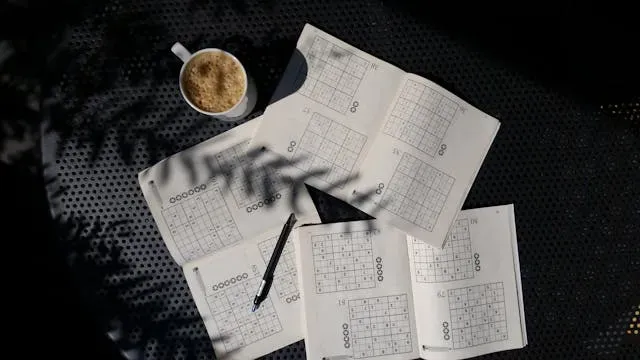
Sudoku is a number puzzle that challenges logical thinking and working memory. Patients fill a 9x9 grid with numbers 1–9, ensuring no repetition in rows, columns, or smaller grids. Encouraging patients to solve Sudoku regularly can help improve focus, cognitive skills, and mental agility.
2. Crossword puzzles
Crosswords engage the brain by recalling words and connecting clues with known knowledge. Patients can start with simple puzzles and gradually progress to more challenging ones. Doing a crossword daily helps enhance vocabulary, strengthen cognitive processes, and keep the brain active.
3. Learning a new language
Picking up a new language stimulates the brain by strengthening memory, attention, and problem-solving skills. Patients can practice using language-learning apps, listening to native speakers, or repeating new words aloud. This activity improves thinking skills and supports better brain health by continuously challenging the brain’s ability to adapt.
4. Reading and summarizing
Reading engages multiple cognitive processes, and summarizing afterward reinforces comprehension and recall. Patients can read short articles, books, or even news stories and then explain the main points in their own words. This exercise helps boost memory, critical thinking, and mental agility.
5. Word search puzzles
Word searches require scanning letters to identify specific words, which sharpens pattern recognition and attention to detail. Patients can circle words in a grid based on a given list, gradually increasing difficulty levels. This fun and simple activity helps keep the brain sharp and improves focus.
6. Storytelling from memory
Patients can practice recalling and telling stories from their own experiences or by retelling a favorite book or movie plot. This strengthens the brain’s ability to organize thoughts, sequence events, and improve recall. It’s a great way to engage working memory while enhancing communication skills.
7. Playing card games
Card games like Solitaire or Memory Match challenge strategic thinking and short-term memory. Patients can play alone or with others, making it a social and cognitive activity. Regular card play enhances problem-solving and helps the brain stay healthy.
8. Mental math exercises
Solving simple math problems mentally, like adding numbers or calculating change, keeps the brain engaged. Patients can practice by estimating grocery totals or playing math-based games. This strengthens cognitive skills and supports brain-boosting benefits.
9. Memorizing lists
Patients can start with a short grocery list or a set of random words and try to recall them after a few minutes. Visualization techniques or creating a story around the items can make it easier. This strengthens working memory and improves recall abilities.
10. Learning a new hobby
Picking up a hobby, like playing a musical instrument or knitting, requires concentration and coordination. Patients can start with small steps, following tutorials, or practicing daily. Engaging in new skills keeps the brain active and supports long-term cognitive function.