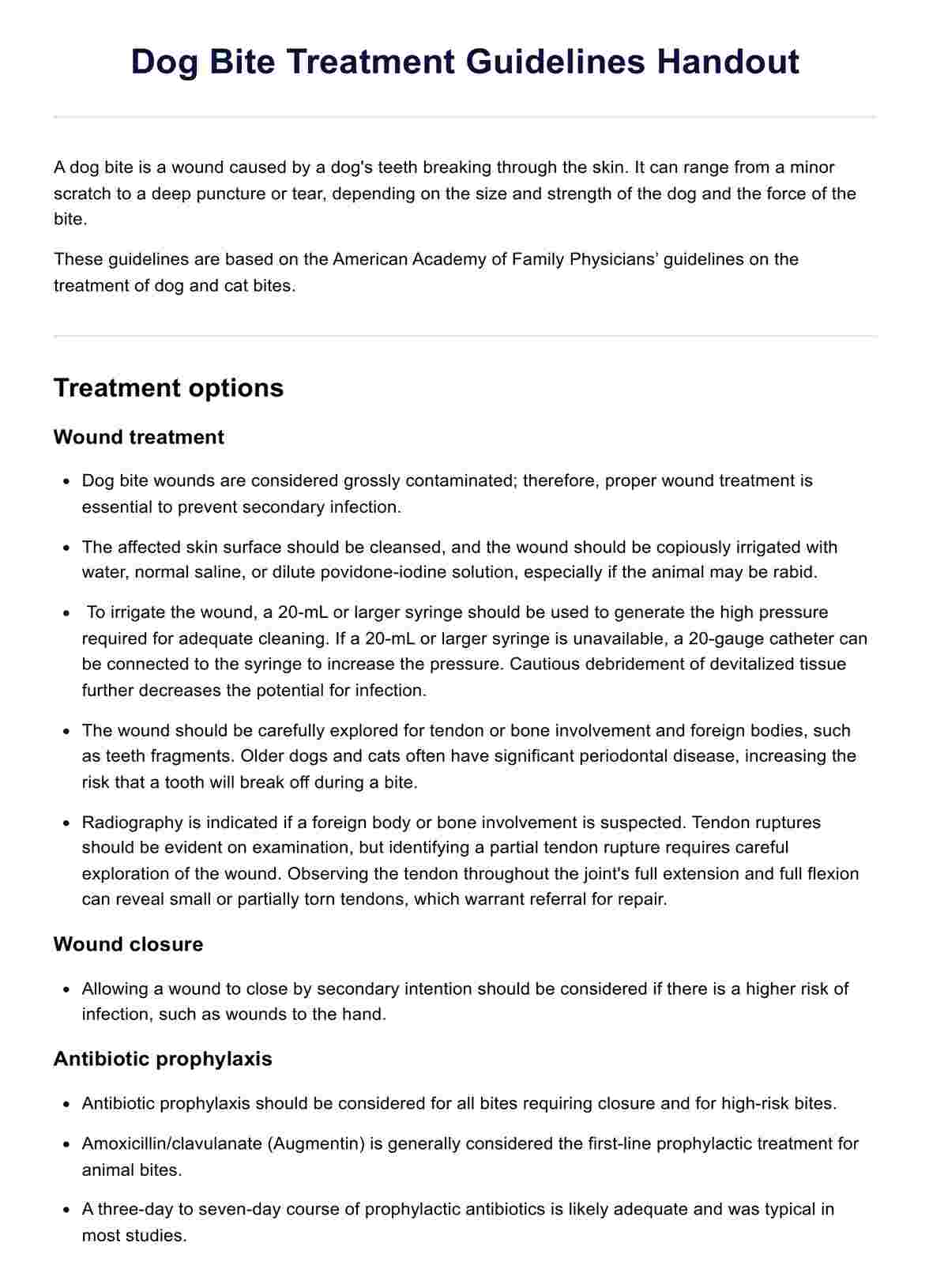
How do doctors treat dog bites?
Treating dog bites involves a systematic approach to ensure the wound is properly cleaned, assessed, and treated to prevent infection and other complications. Here's a breakdown of the typical treatments provided for animal bites by healthcare professionals:
Cleaning the wound
The first step in treating a dog bite is thoroughly cleaning the wound. Doctors use antiseptic solutions to remove dirt, bacteria, and other contaminants. This reduces the risk of infection and prepares the wound for further treatment.
Antibiotic treatment
Doctors often prescribe antibiotic ointments or oral antibiotics to prevent bacterial infections in minor wounds. The choice depends on the wound's severity and infection risk. Antibiotics are particularly important for deep or puncture wounds, which are more prone to bacterial infiltration.
Rabies and tetanus vaccinations
Depending on the circumstances of the bite, doctors will assess the need for rabies and tetanus vaccinations. If the dog’s rabies vaccination status is unknown or the bite was from a wild animal, a rabies vaccination may be necessary. Additionally, a booster may be administered to prevent tetanus infection if your tetanus shot is not current.
Wound closure
In some cases, doctors may decide to close the wound with stitches. However, this decision depends on the wound's location, size, and risk of infection. Sometimes, leaving the wound open to heal naturally is preferable to reduce the risk of infection.
Pain management
Doctors may prescribe pain relievers to manage discomfort associated with the bite. This can include over-the-counter medications or, in severe cases, prescription painkillers.
Follow-up care
Follow-up appointments are essential to monitor the healing process and ensure no complications arise. Doctors will check for signs of infection, proper wound healing, and any necessary adjustments to the treatment plan.